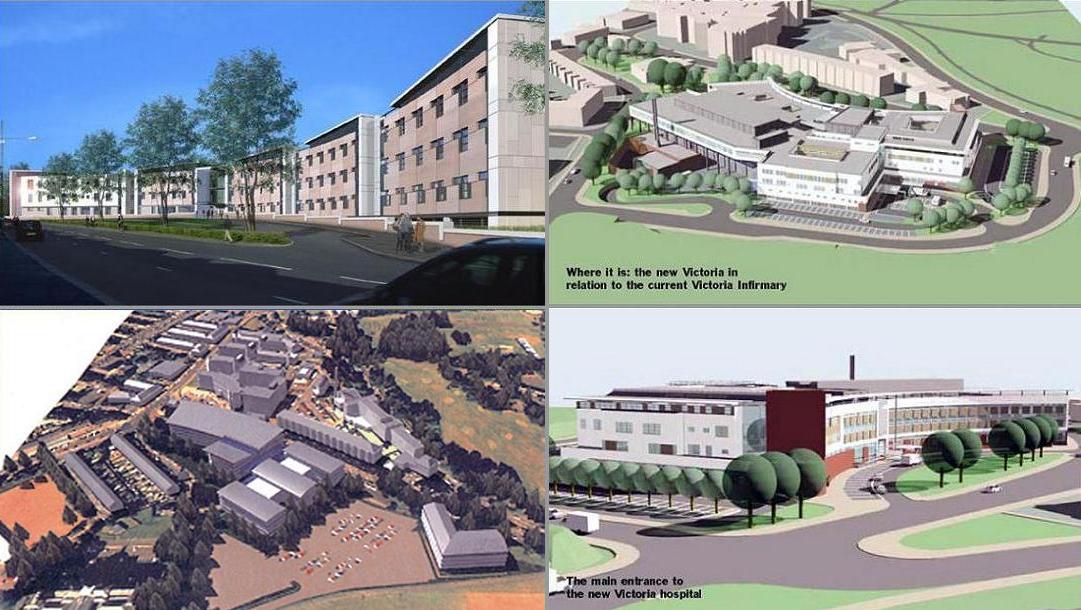
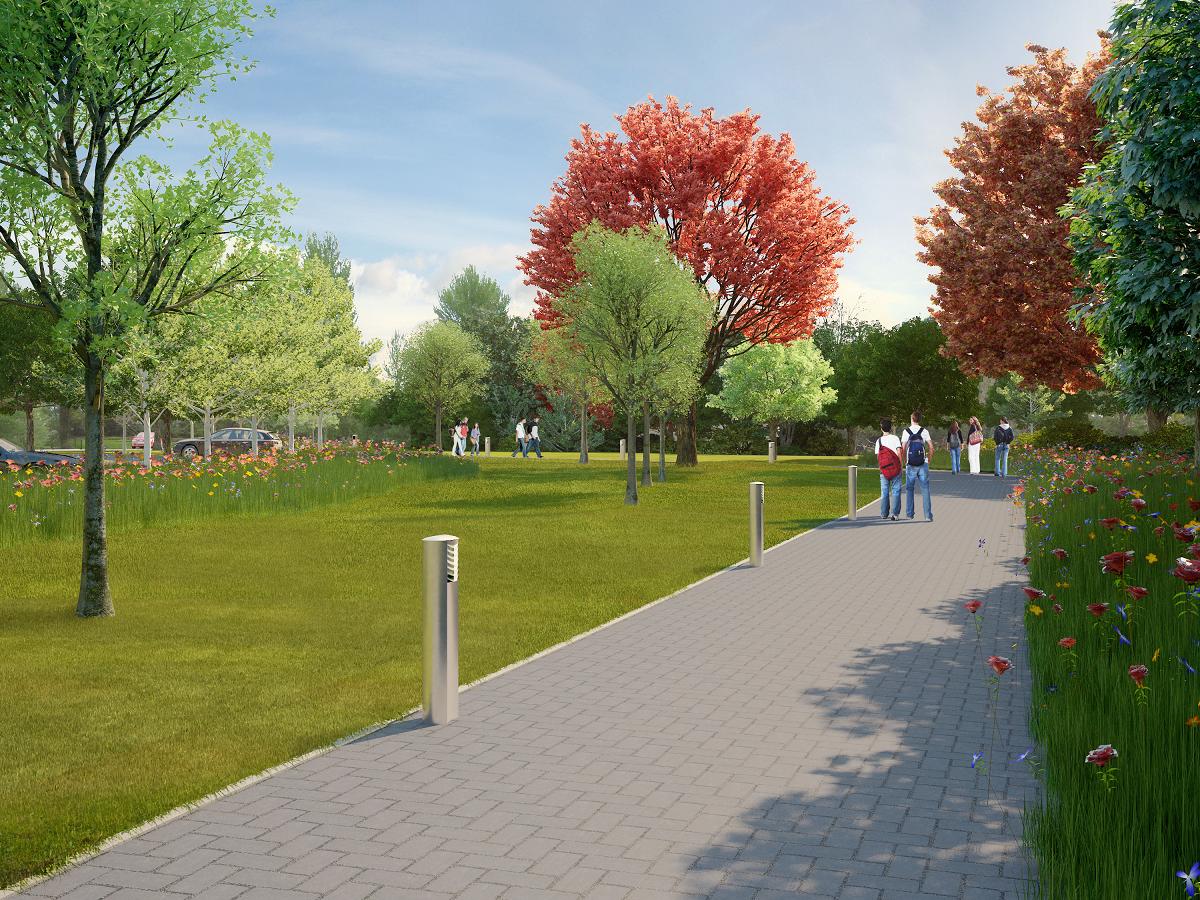
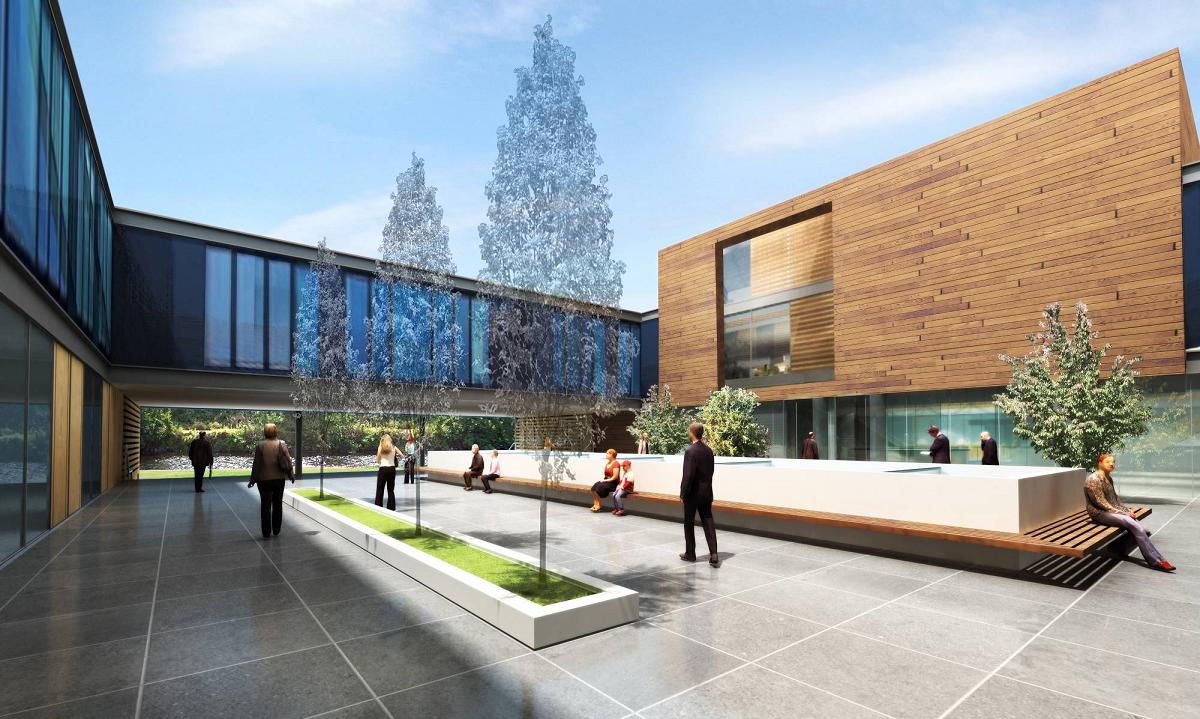
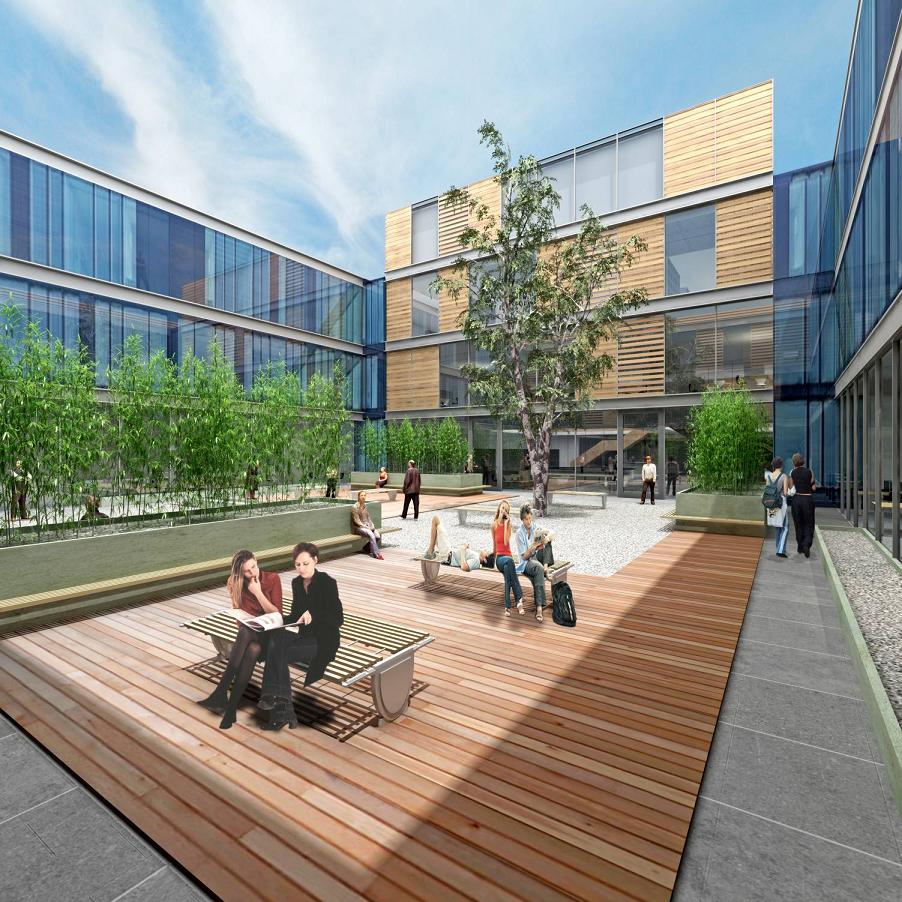
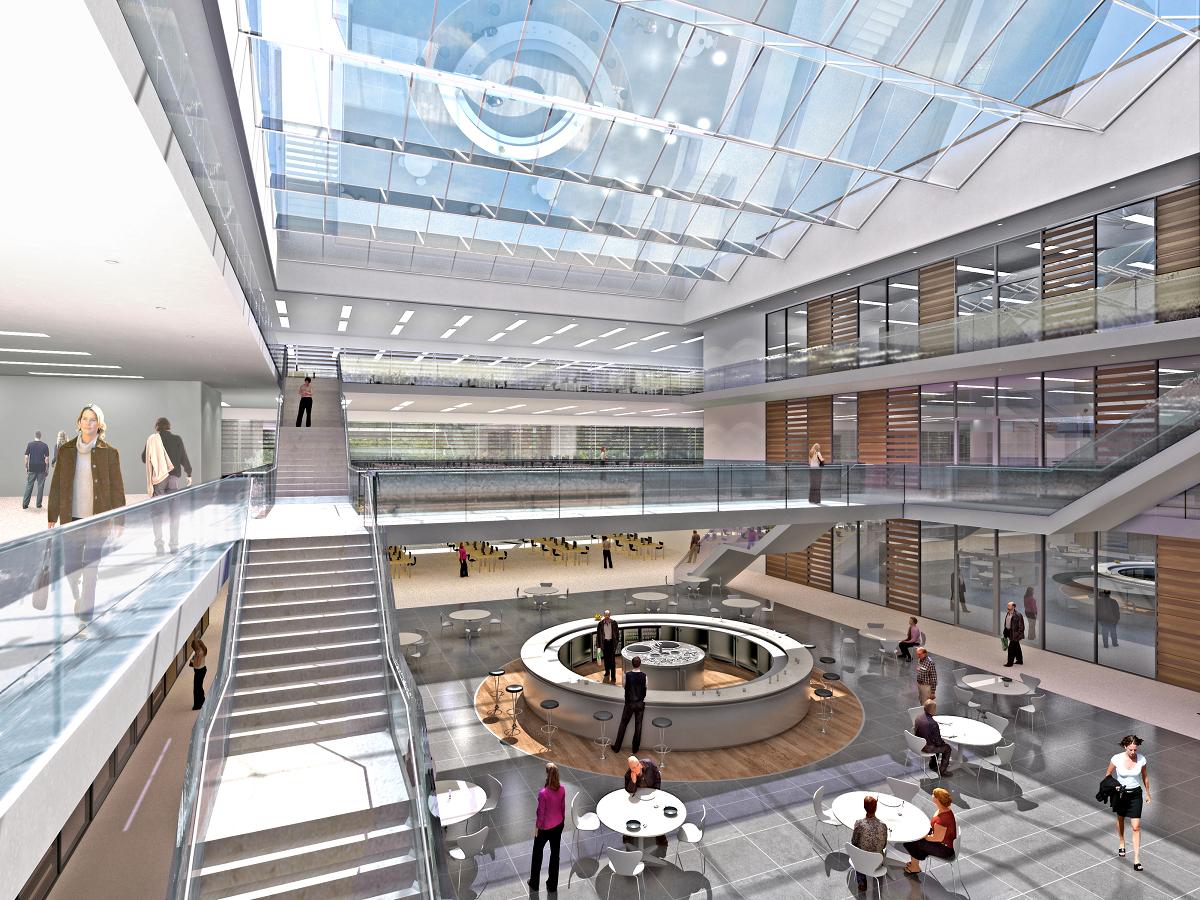
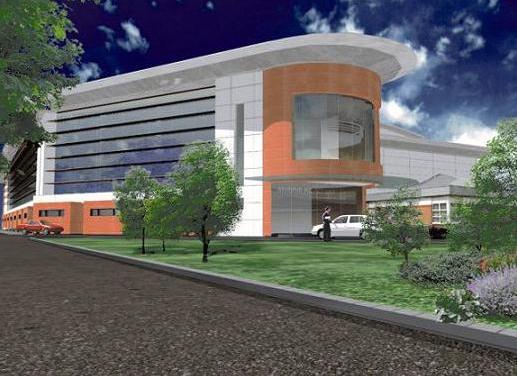
Rationalisation of NHS Greater Glasgow Hospital Services will involve complete rebuilding of EVERY major hospital in the city. Specifically all inpatient services will be catered for by new South, West and Royal Hospitals. Stobhill and Victoria Infirmaries will be downgraded to cater for outpatients only whilst the Western Infirmary and Yorkhill will be demolished. Yorkhill being replaced by a new Children's Hospital at the South Glasgow Hospital, thus freeing up valuable development land adjacent to Kelvingrove for University/Residential expansion.
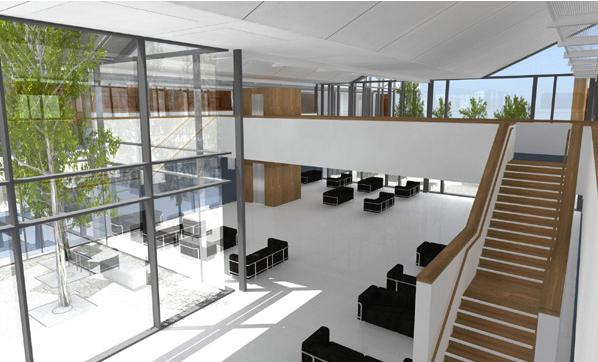
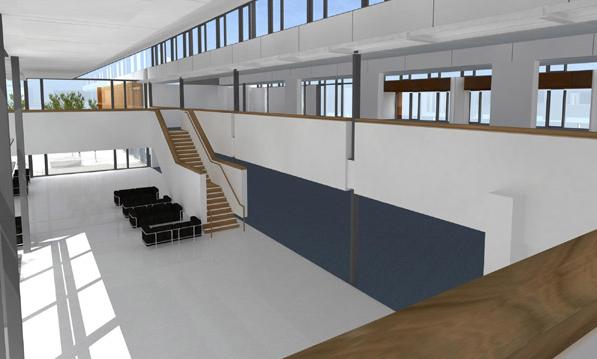
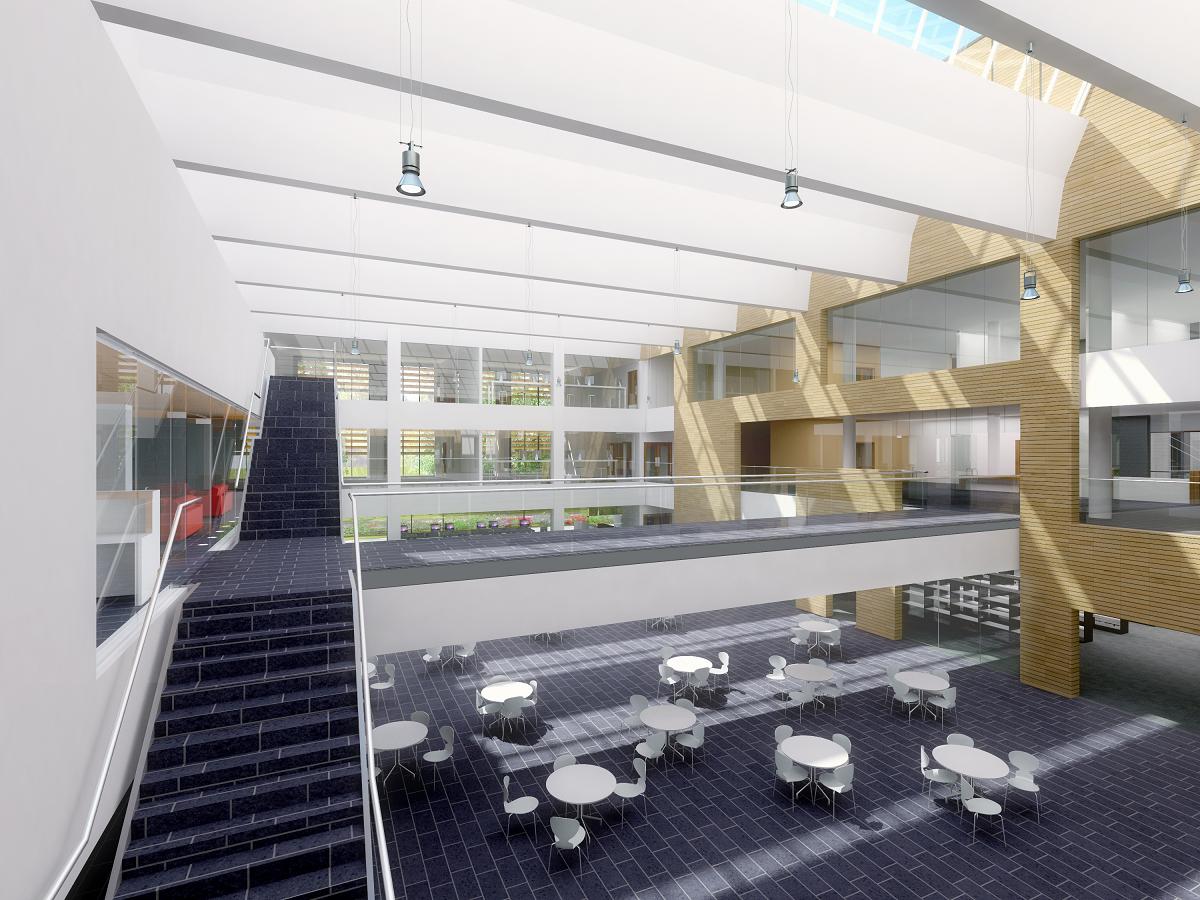
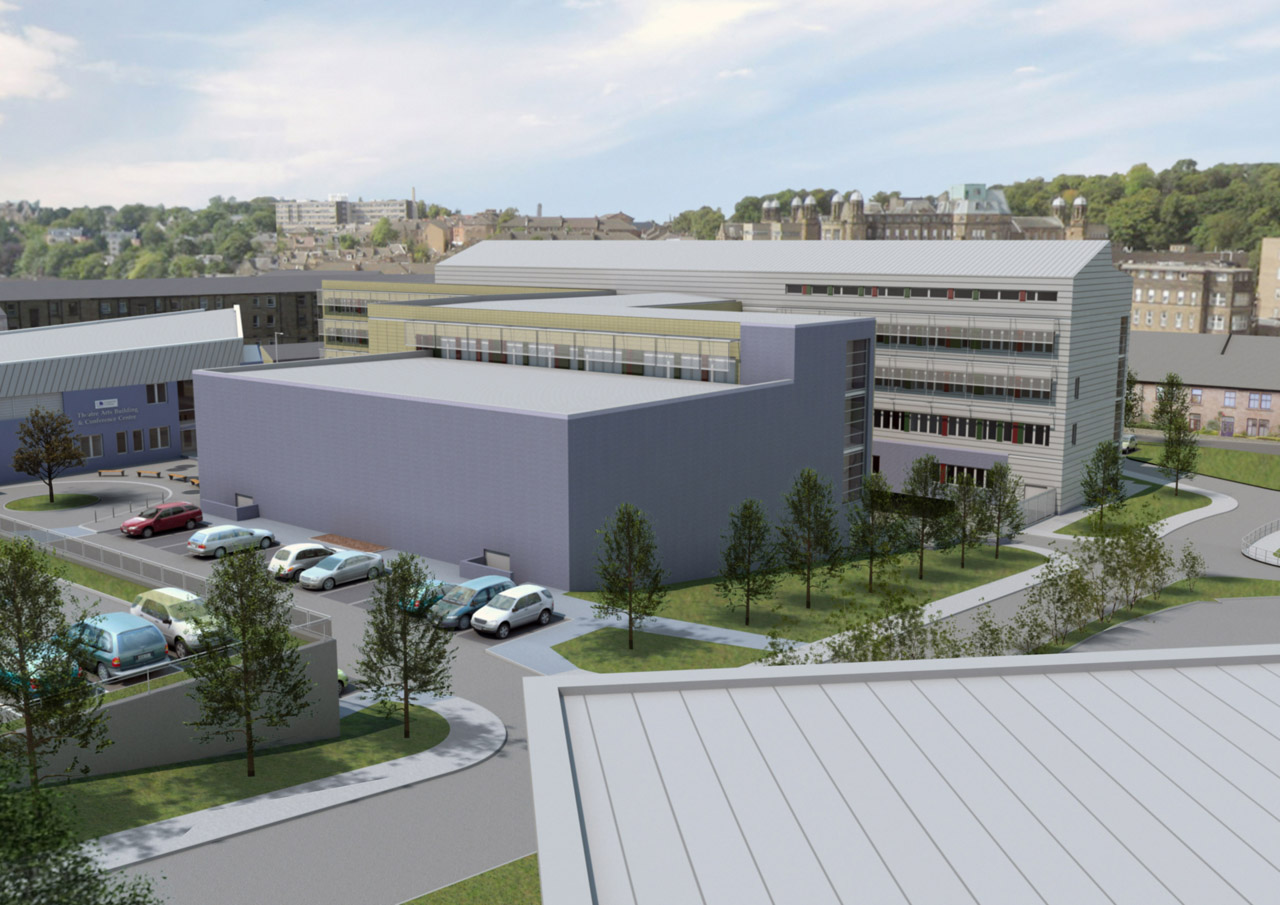
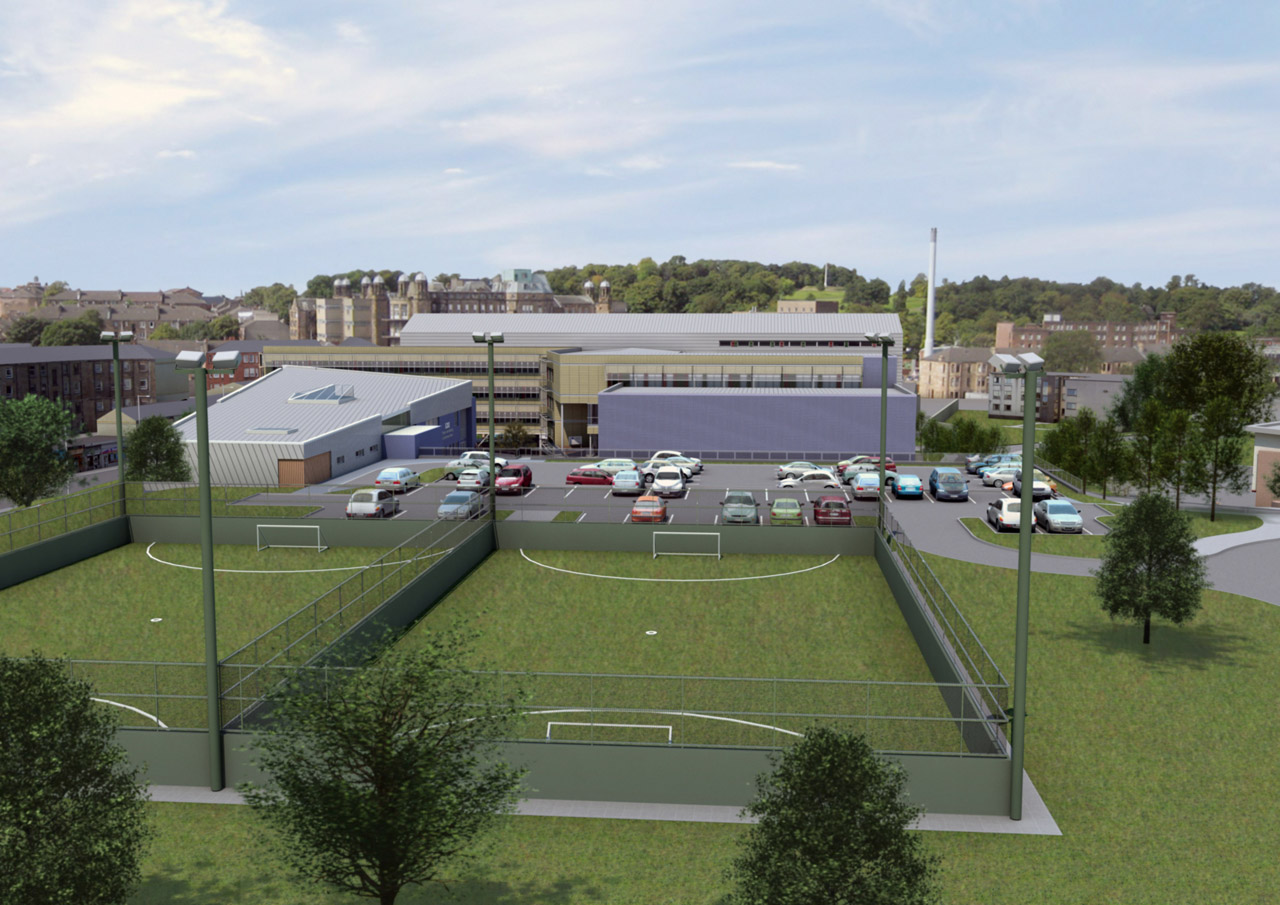
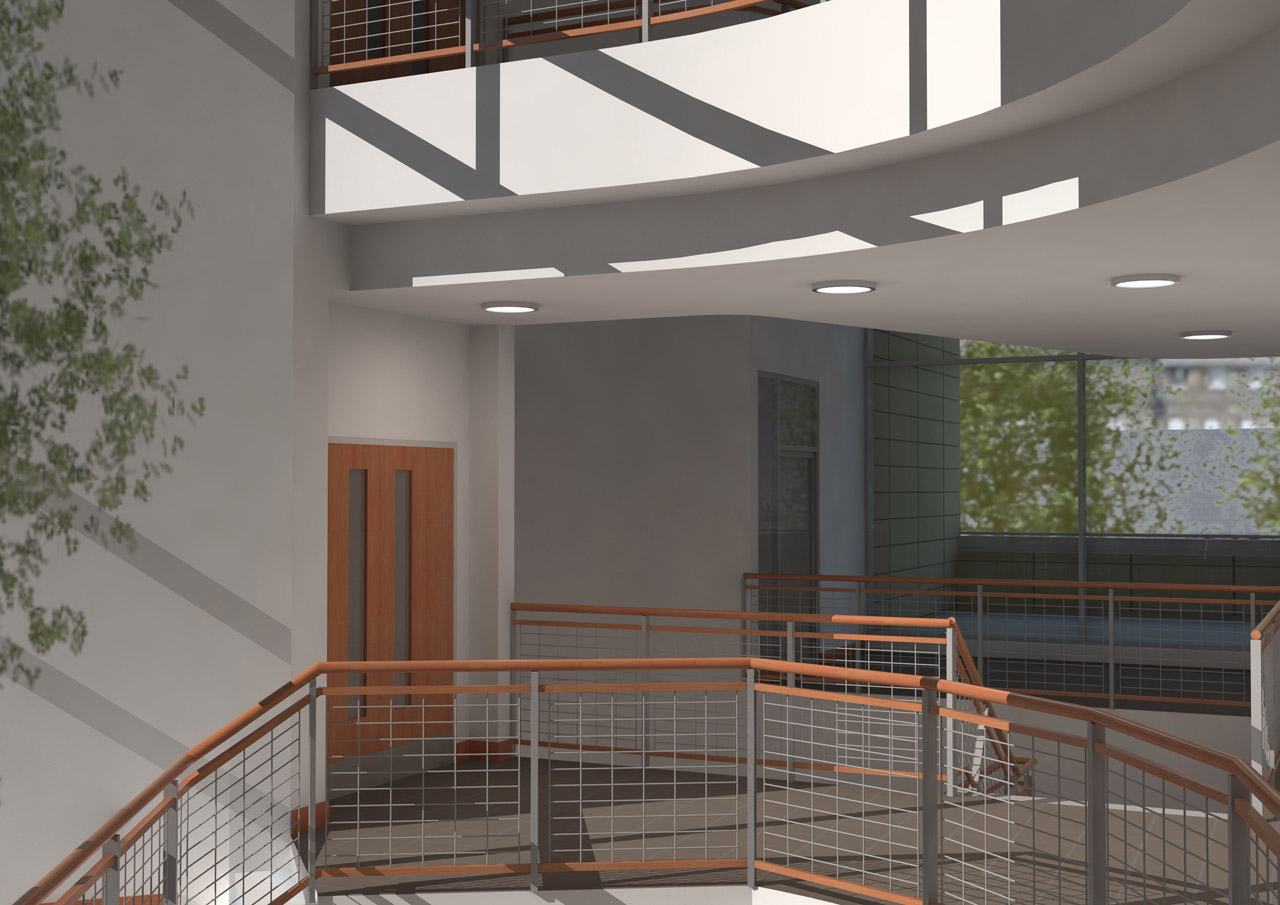
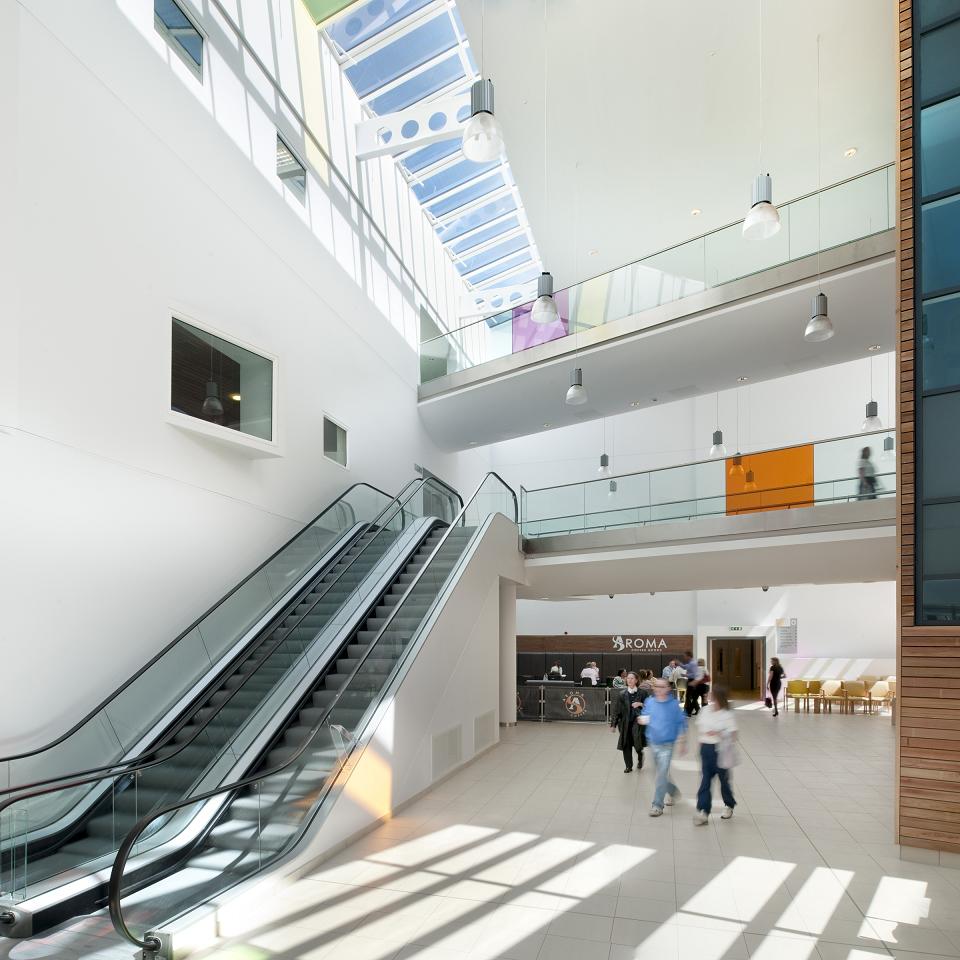
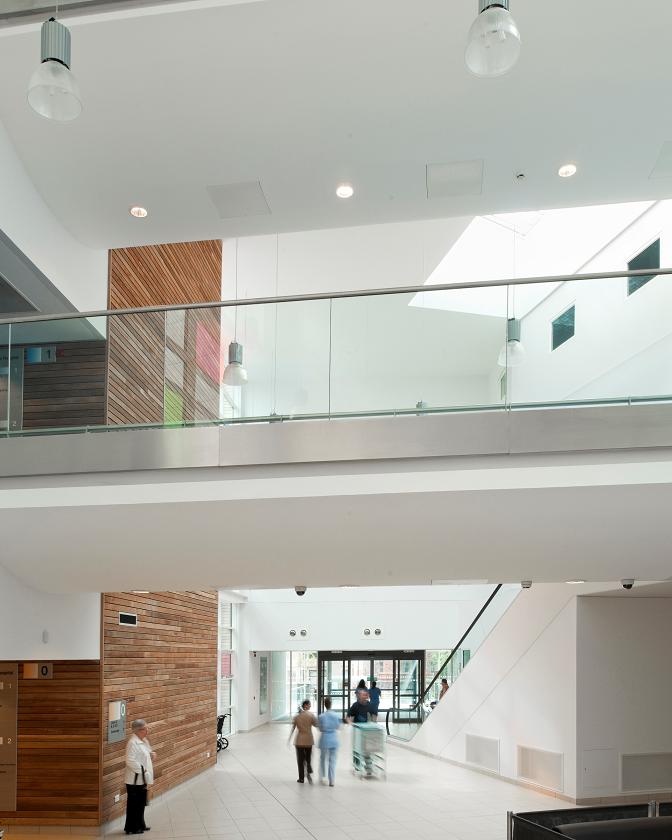
The hospital will incorporate a Marie Curie Hospice, an inpatient mental health service for young people, a secure care centre and specialist services in cardiology, renal dialysis and gynaecology, both Victoria and Stobhill will incorporate impressive full height atriums. The scheme is costing £20 million more than originally envisaged and designs have been value engineereed.
Materials - Dark blue/gray brickwork, terracotta, patinised copper panels and render
Height - 3 floors
Area - 41,500sq/m
Status - U/C
Start date - Nov 2006 (Demolition Jan 2006)
Completion date - 2009
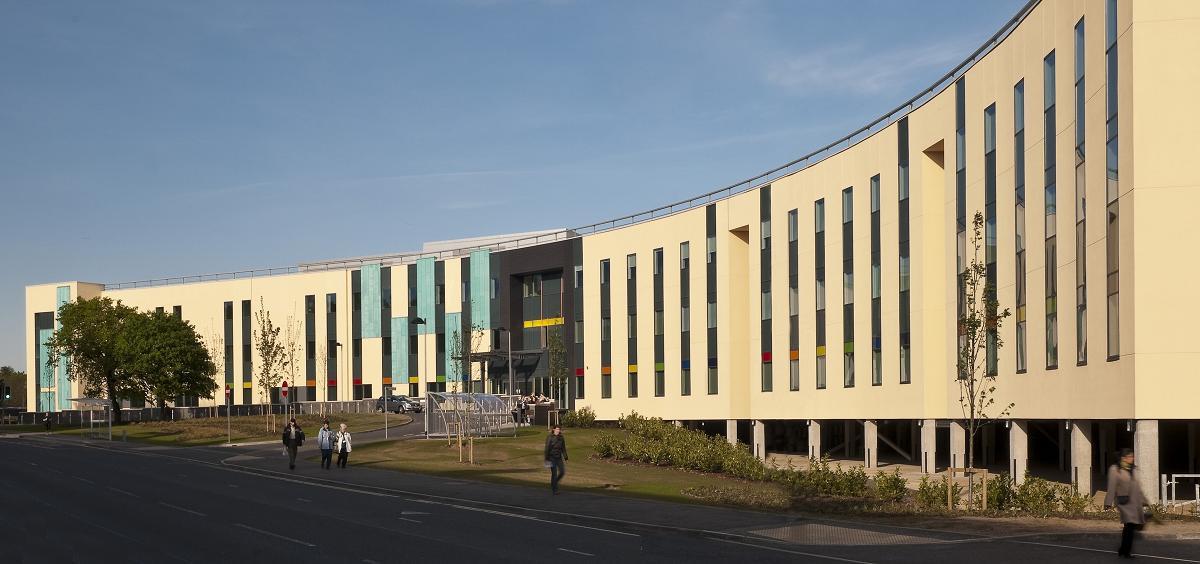
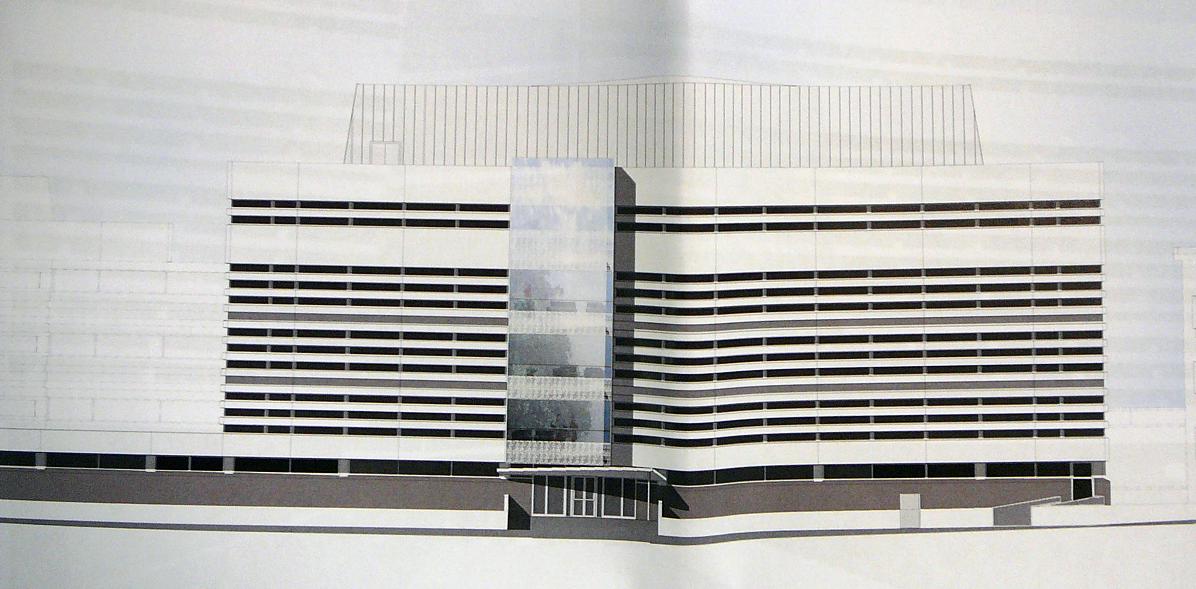
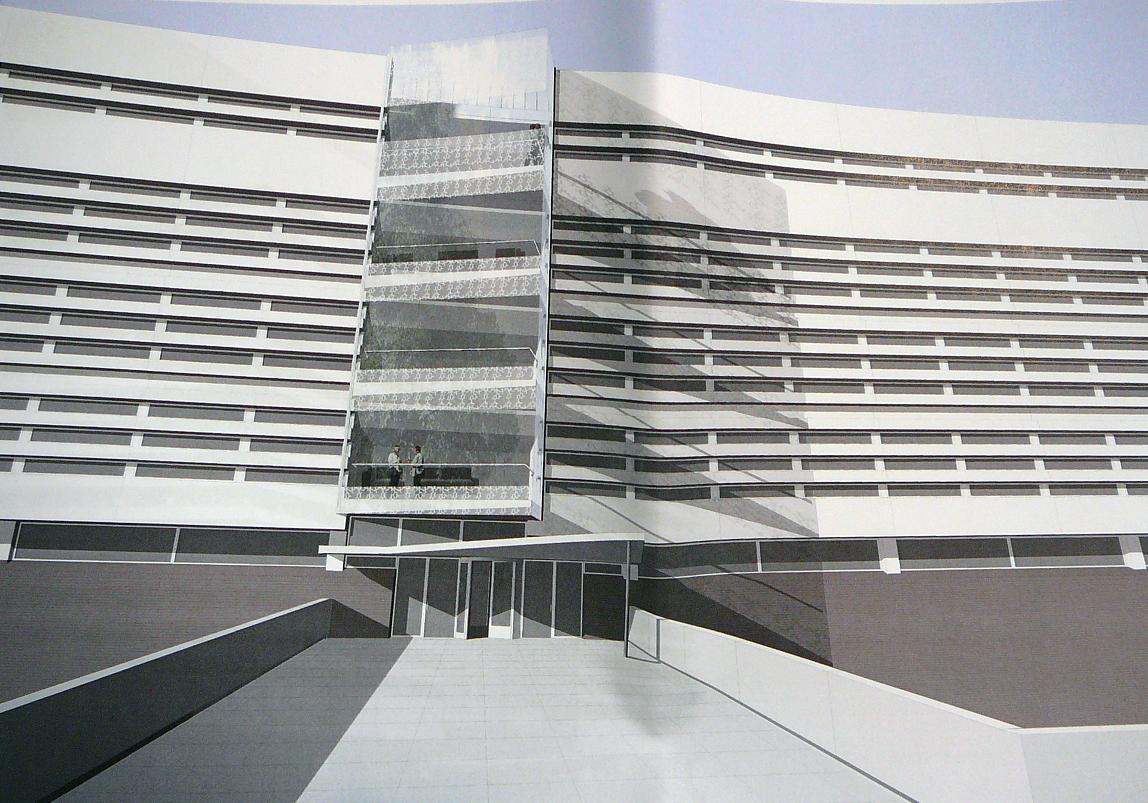
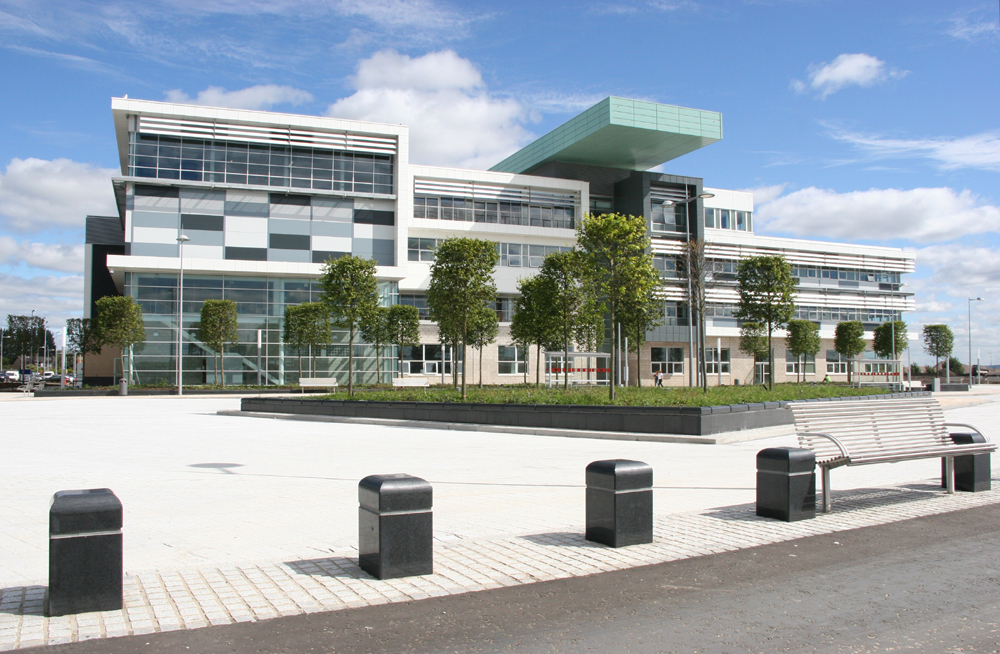
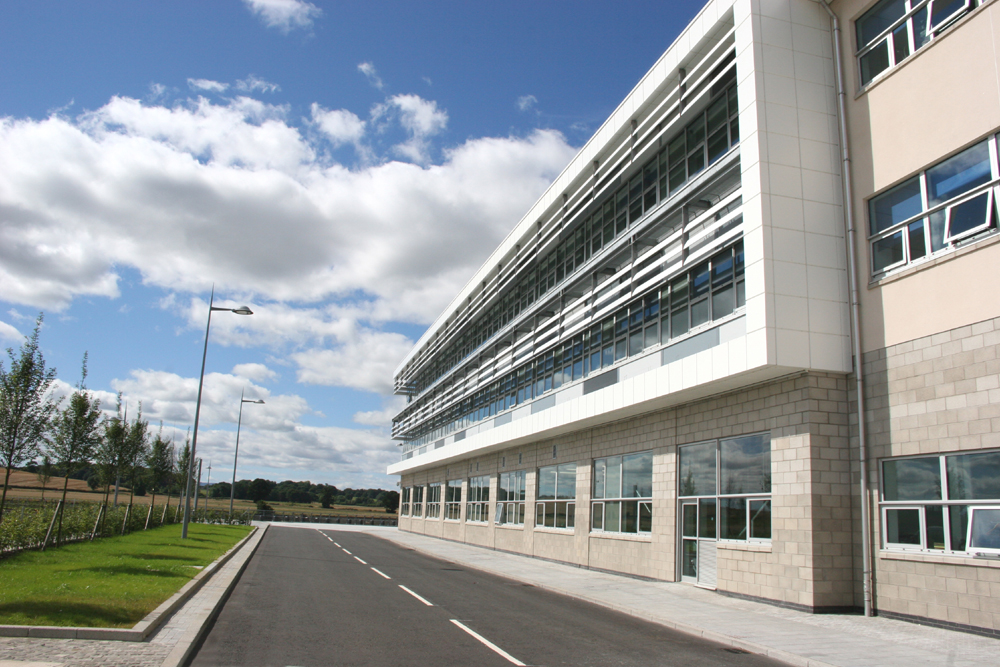
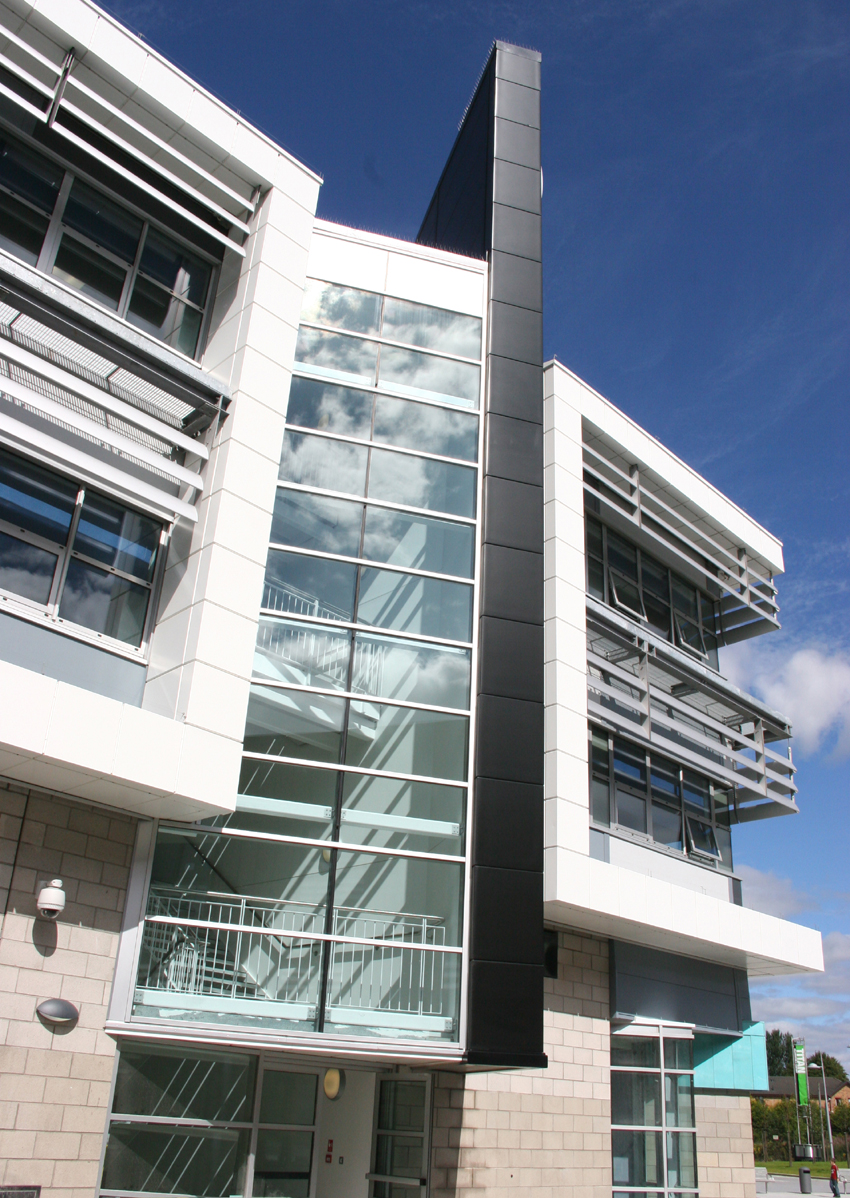
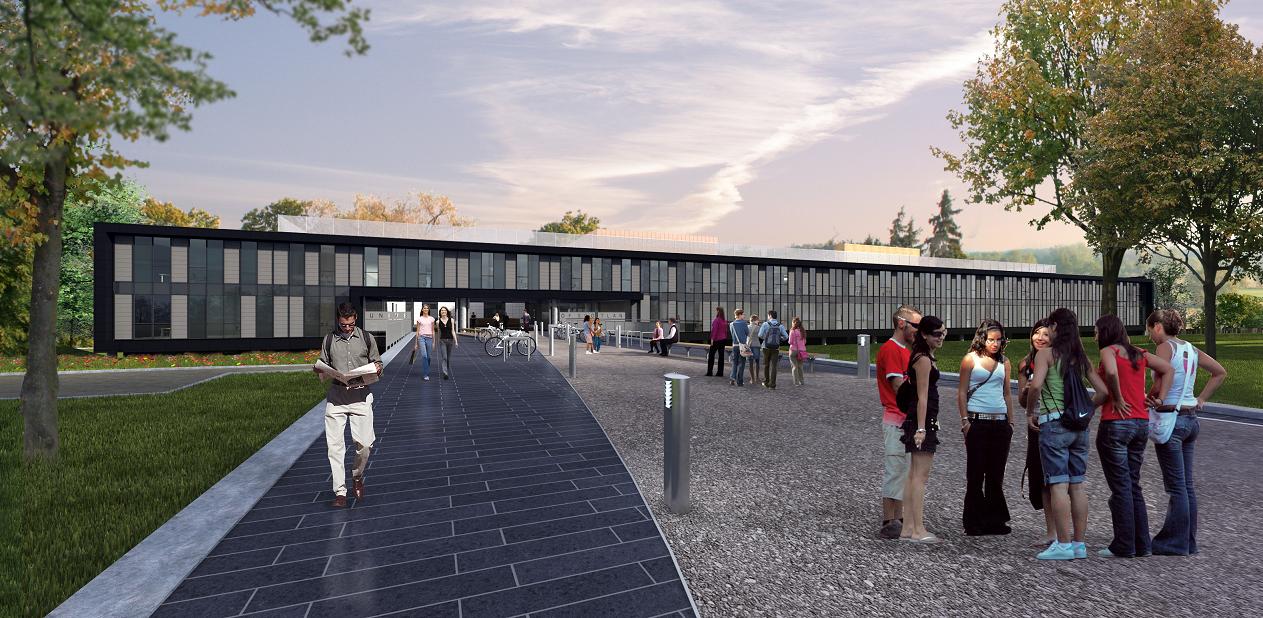
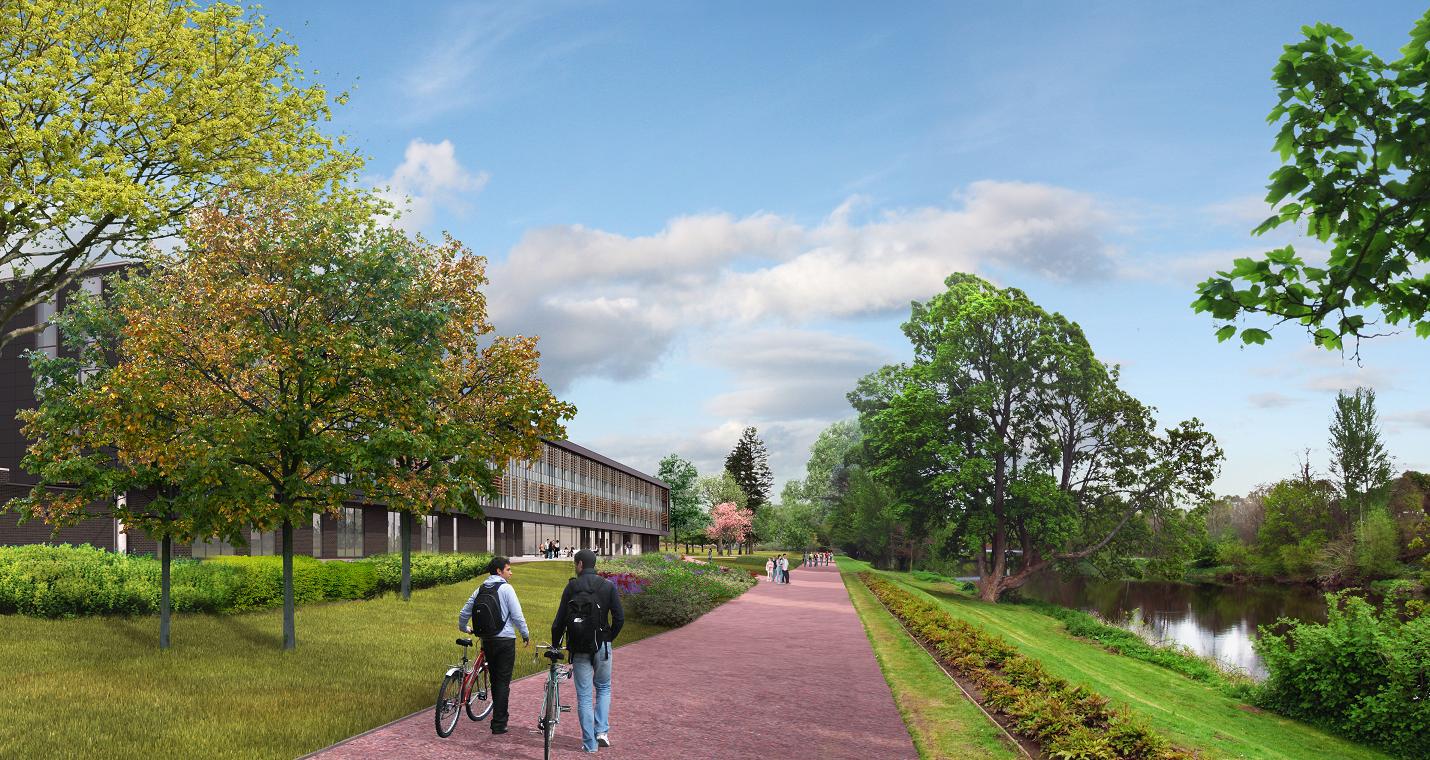
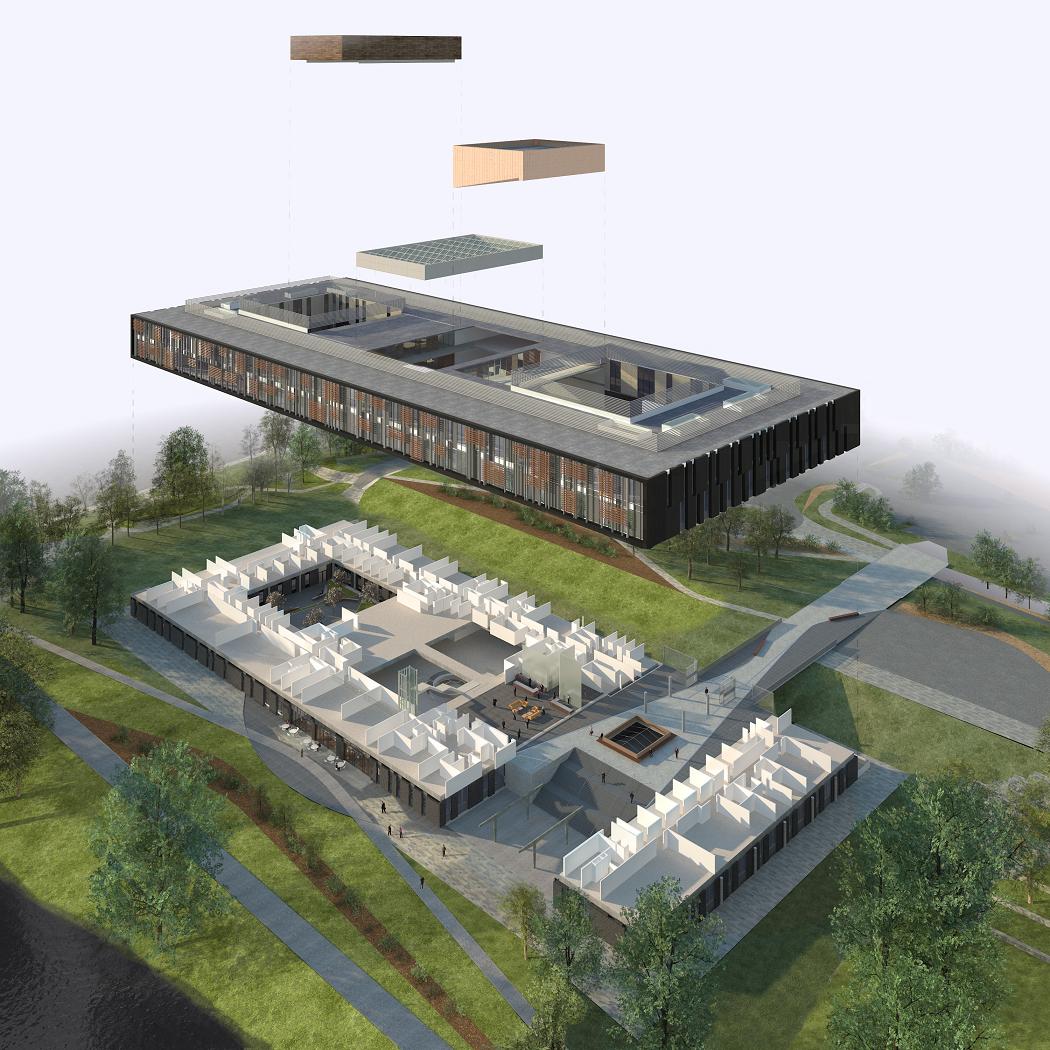
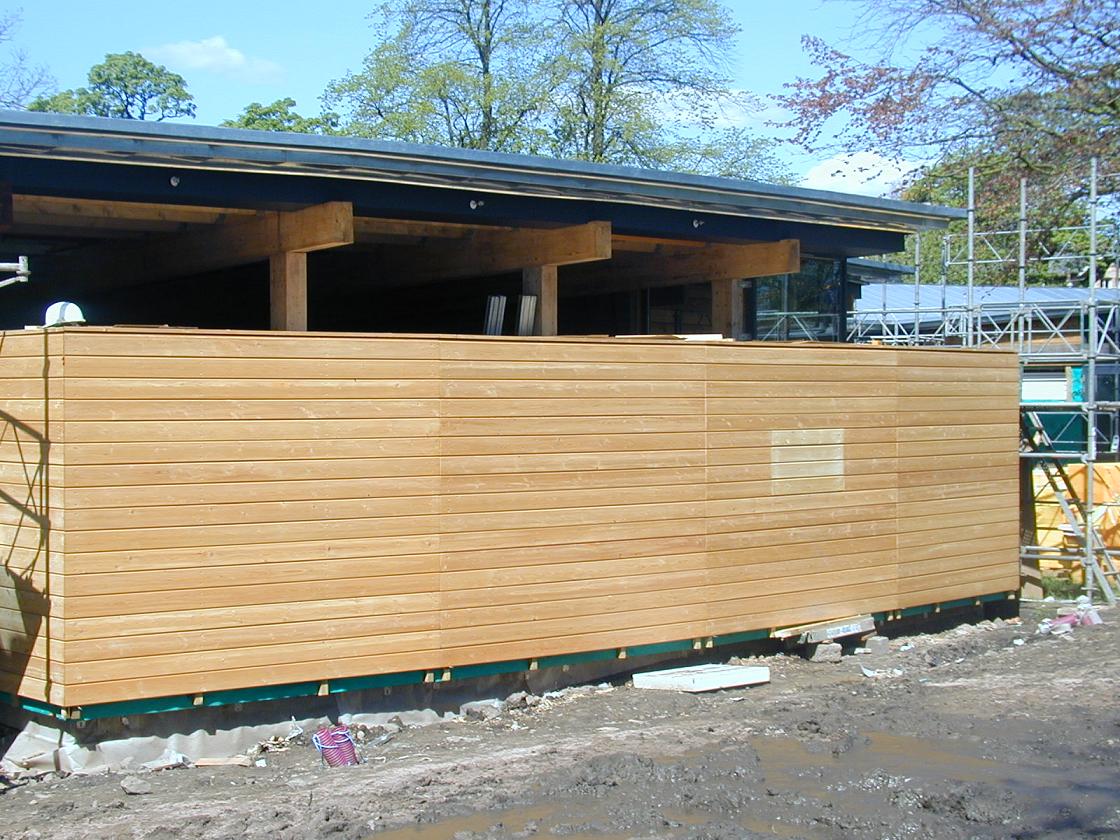
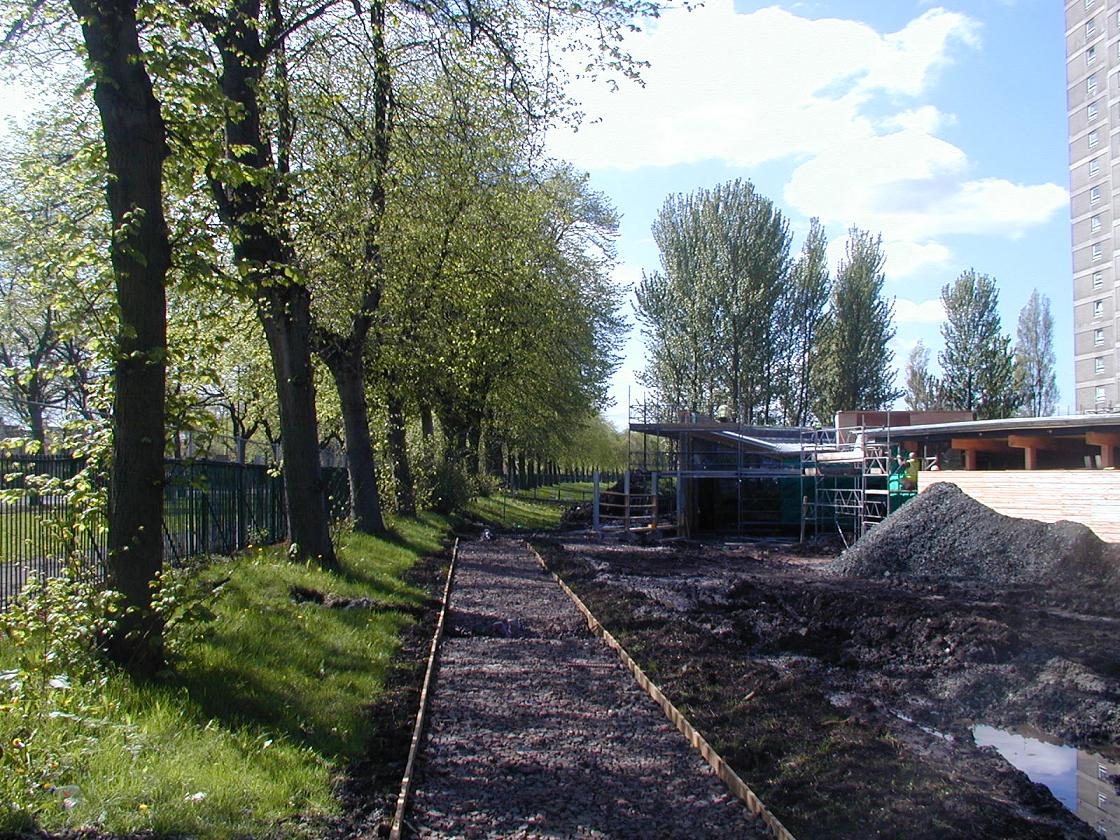
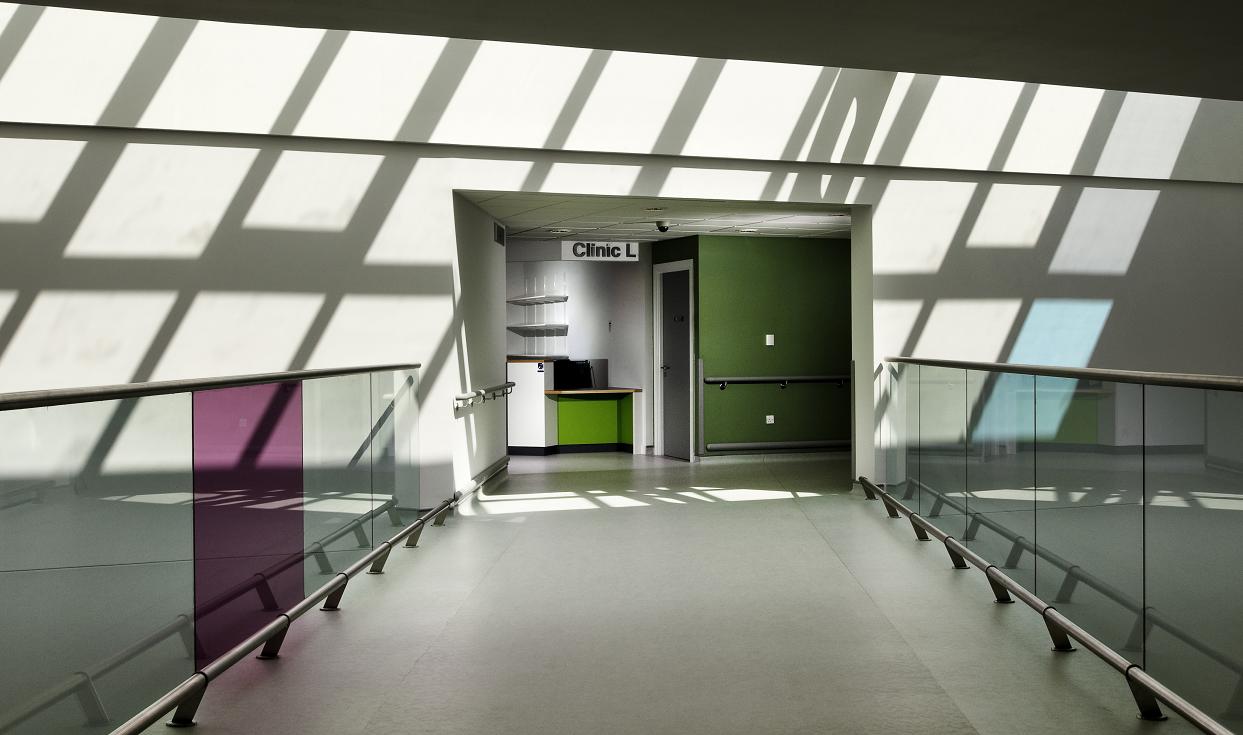
The new look Vicki has been built specifically for day surgery and can treat around 400,000 patients in a year providing a range of outpatient clinics and diagnostic services will be held at the clinic including ENT, gynaecology and urology. It will also, for the first time, bring services such as chemotherapy and renal dialysis to the south side. Surface and underground parking is provided throughout but extensive landscaping does help to mitigate its effects and enhance the patient environment. The ACAD unit will replace the existing Victoria Infirmary, with most services transferred to the new South Glasgow Hospital. J Cooper
South West Community Health & Care Partnership Headquarters : Published 12/11/07
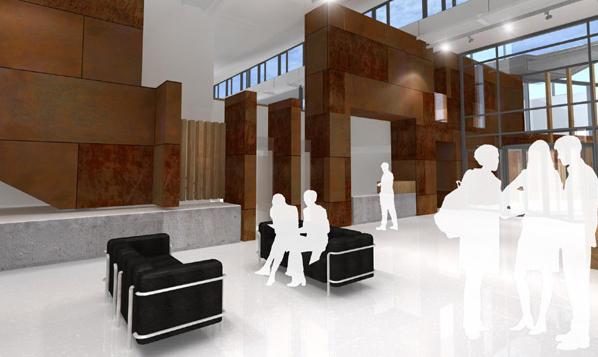
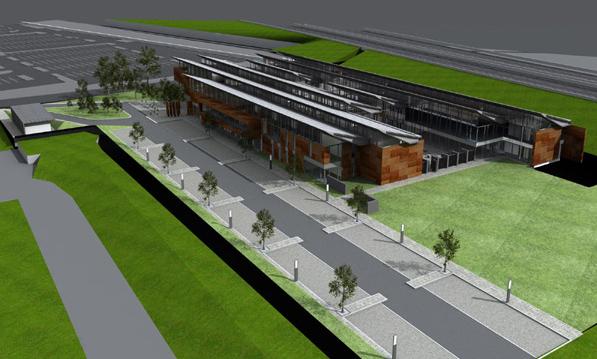
Materials - Corten steel rainscreen cladding and brise soleil, satin finished steel roof cladding and clerestory glass and glazed curtain walling
Location - 280 Craigton Rd
Status - Cancelled
Despite having planning approval in the bag councillors have elected to scrap the CHCP, reflecting a new climate of fiscal restraint. Alan Dunlop is reported to have been scunnered by the whammy so soon after the toppling of 236 Broomielaw, it having been assumed public funding would underwrite the scheme: “We thought because it was a public building it would be protected from the downturn. We’ve been working on it for over two years and we were all ready to go. We think it’s a brilliant project that would change the way social services are delivered in Glasgow.”
As GCC pick up the pieces options being explored include securing: “new facilities at the Junction 24 business park development on a lease basis with a neutral cost effect to the Council.”
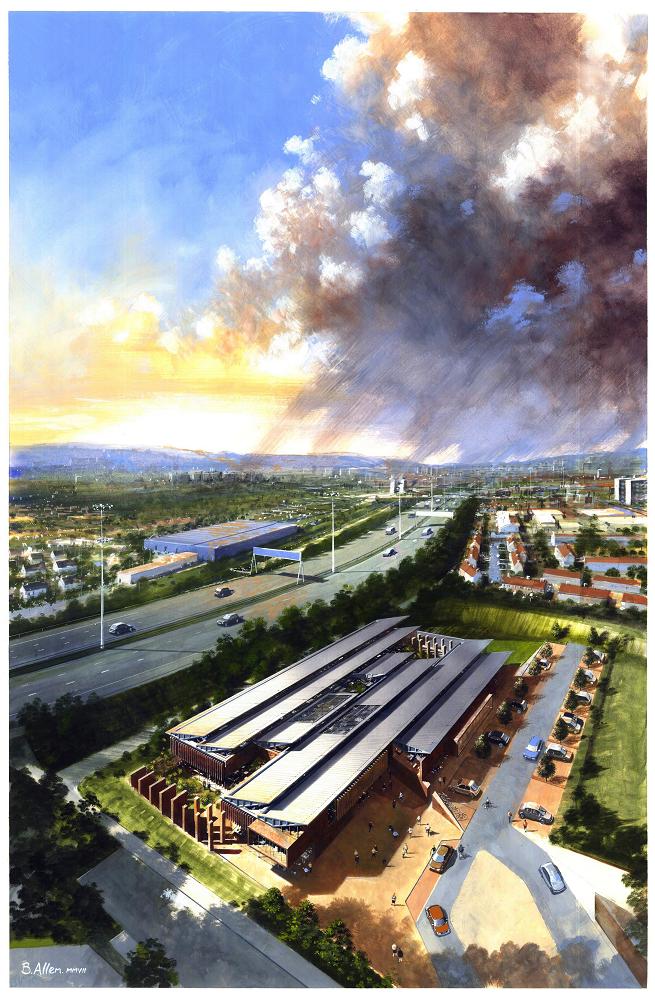
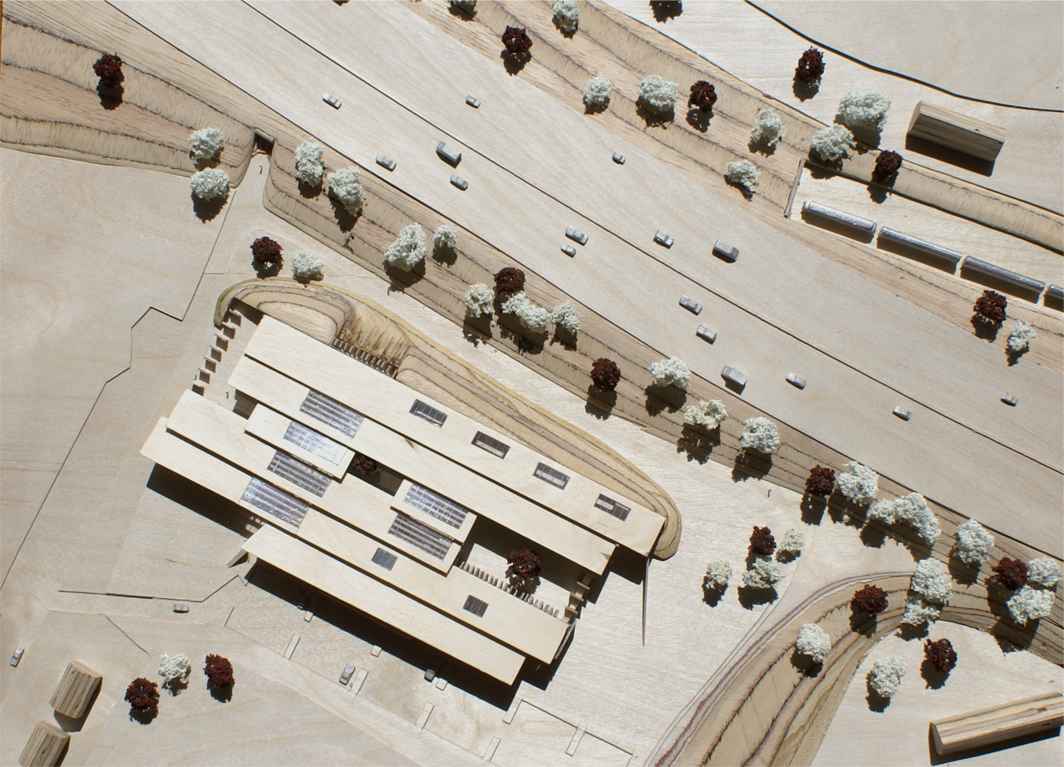
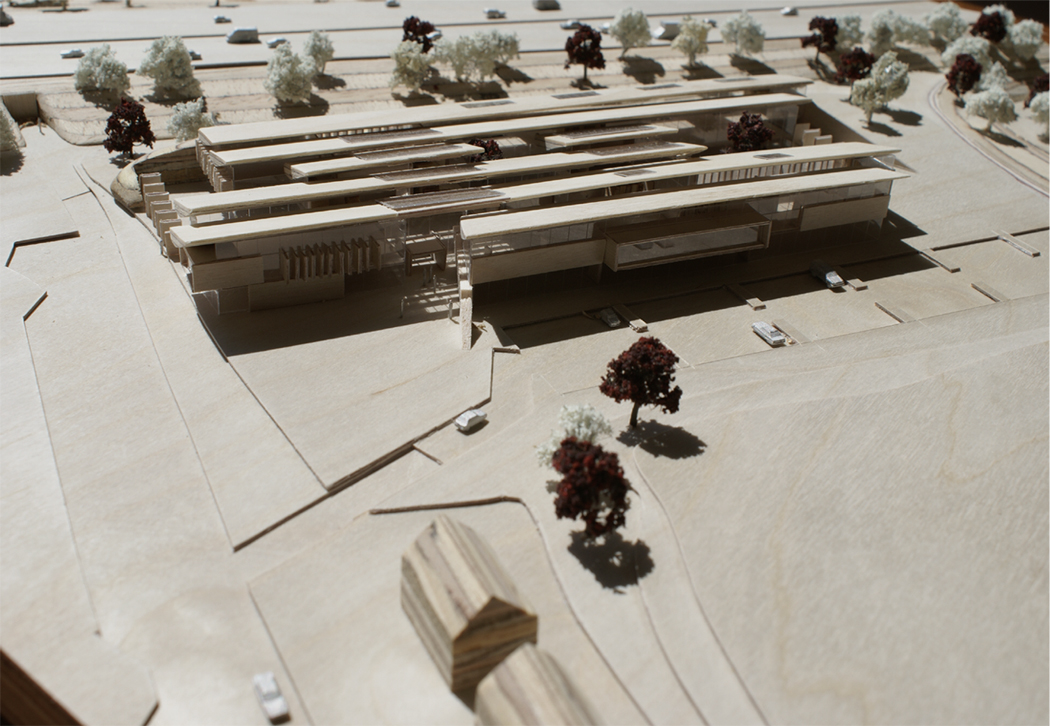
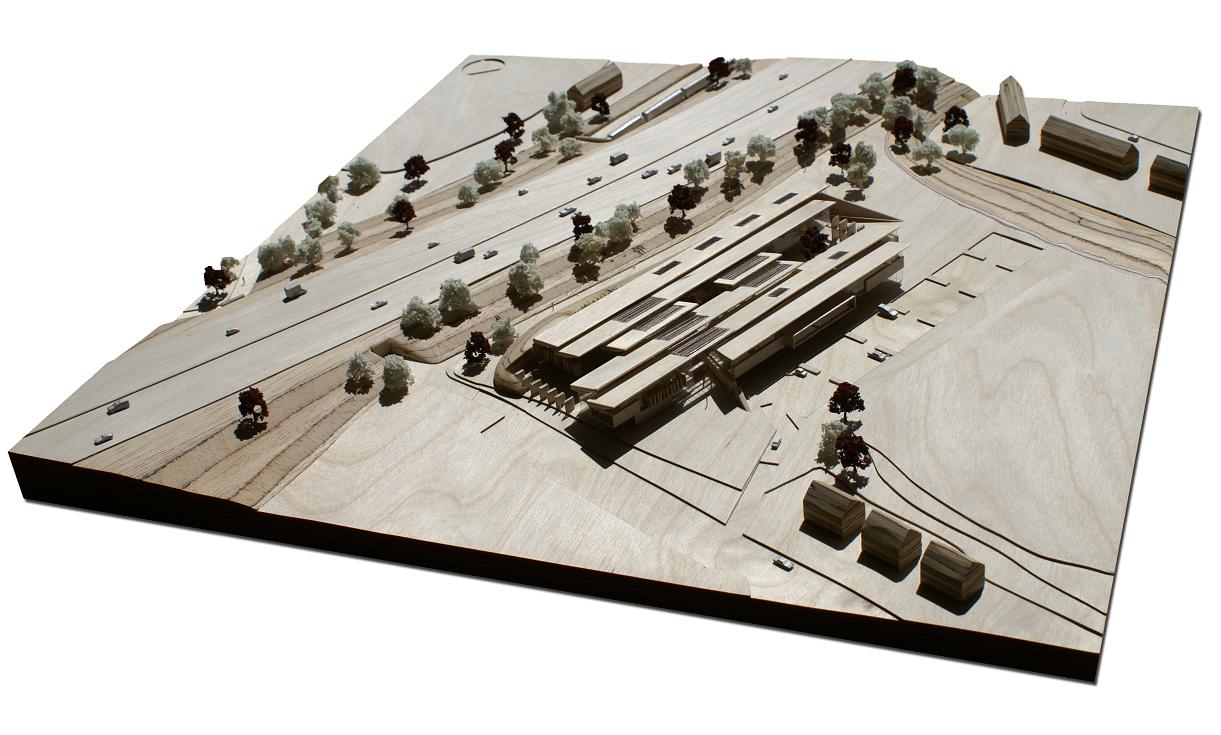
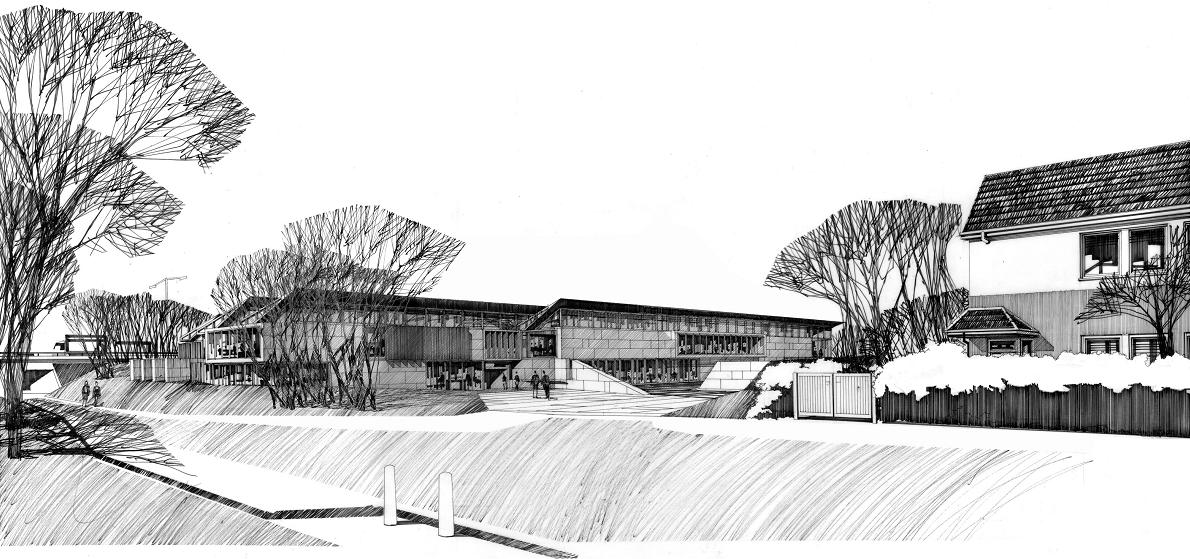
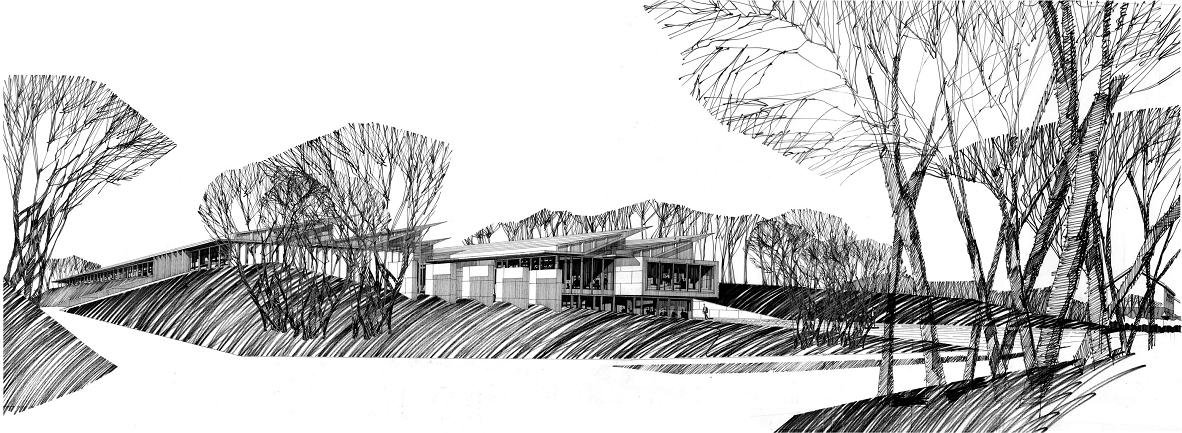
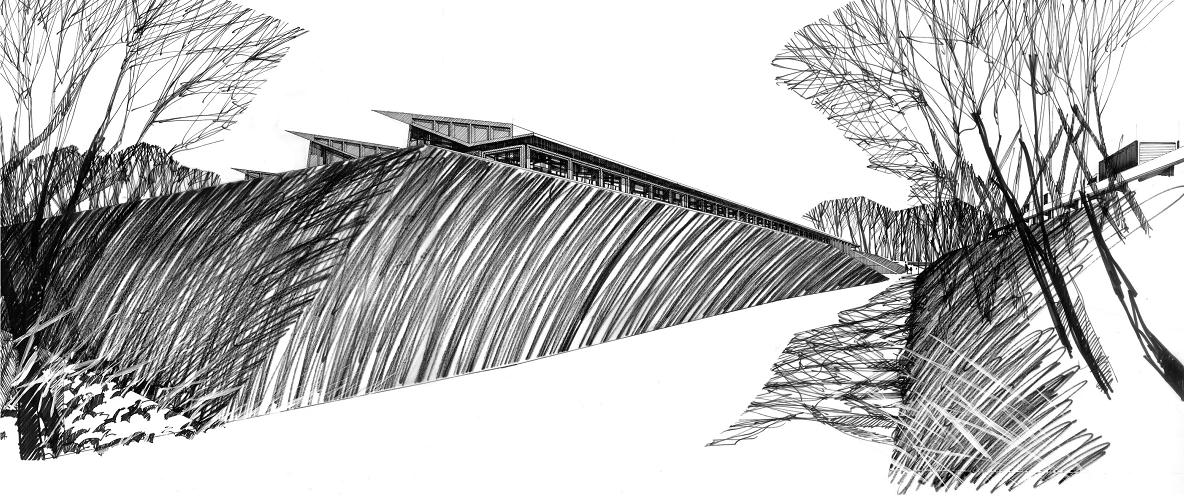
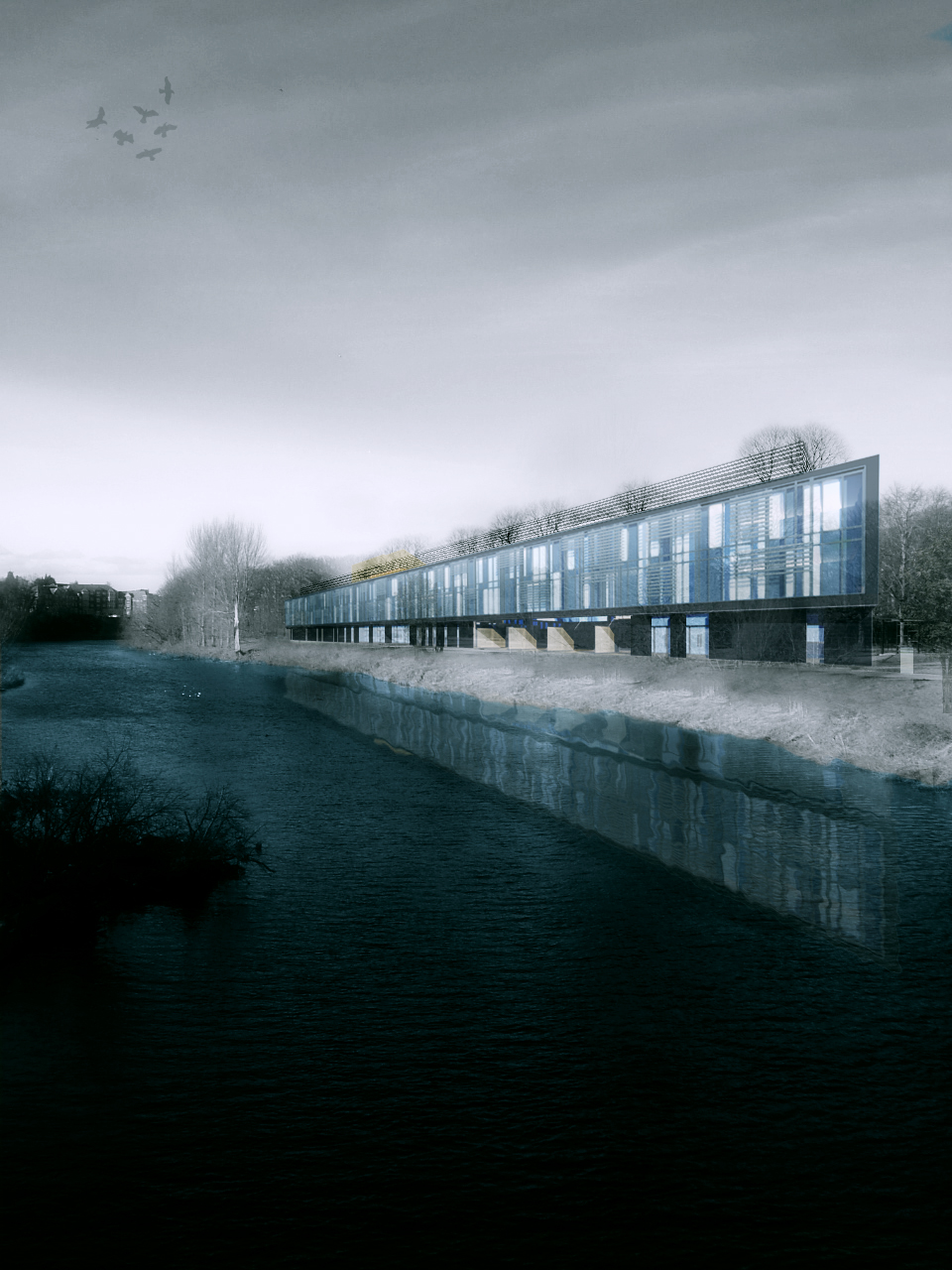
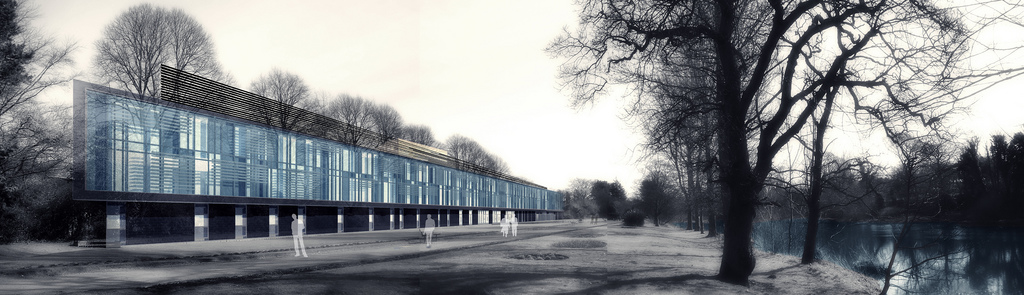
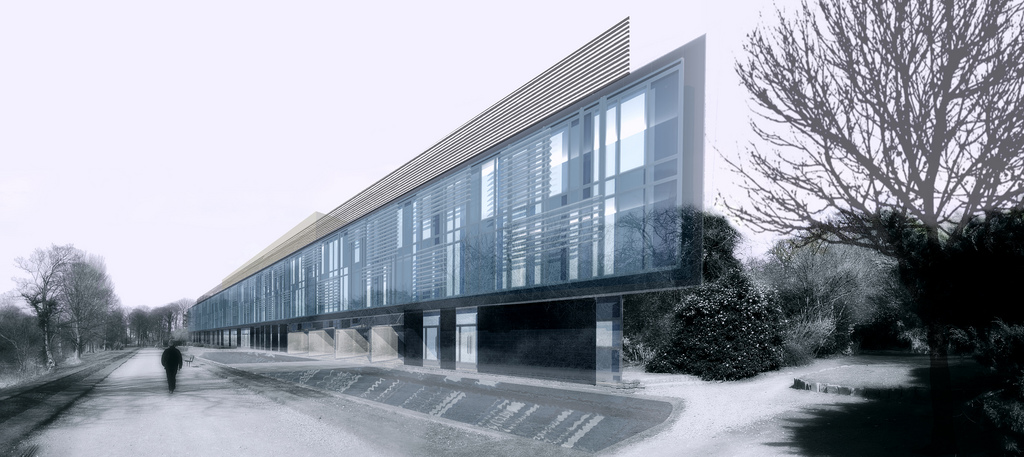
GCC's current biggest capital project would have provided community care and office facilities for Govan. The signature building was sunk low to the ground working with the contours of the land across a sequence of six linear blocks which shadow lanes of the adjacent motorway and interact with internal courtyards to provide light and break out space. Public and private areas are segregated by an east/west "blade". The scheme boasts strong environmental credentials promising to become Scotland's first carbon neutral building by harvesting rainwater, utilising natural materials and incorporating the mass of the land to provide insulation with aerofoil roofs oriented to maximise daylight penetration.
Opinion
Striking serrated blades of metal should cut a dash in an unattractive corner of Govan although the peripheral location combined with secluded form and setting does limit the buildings impact. A more central location and urban character would have lent greater community presence to the design.
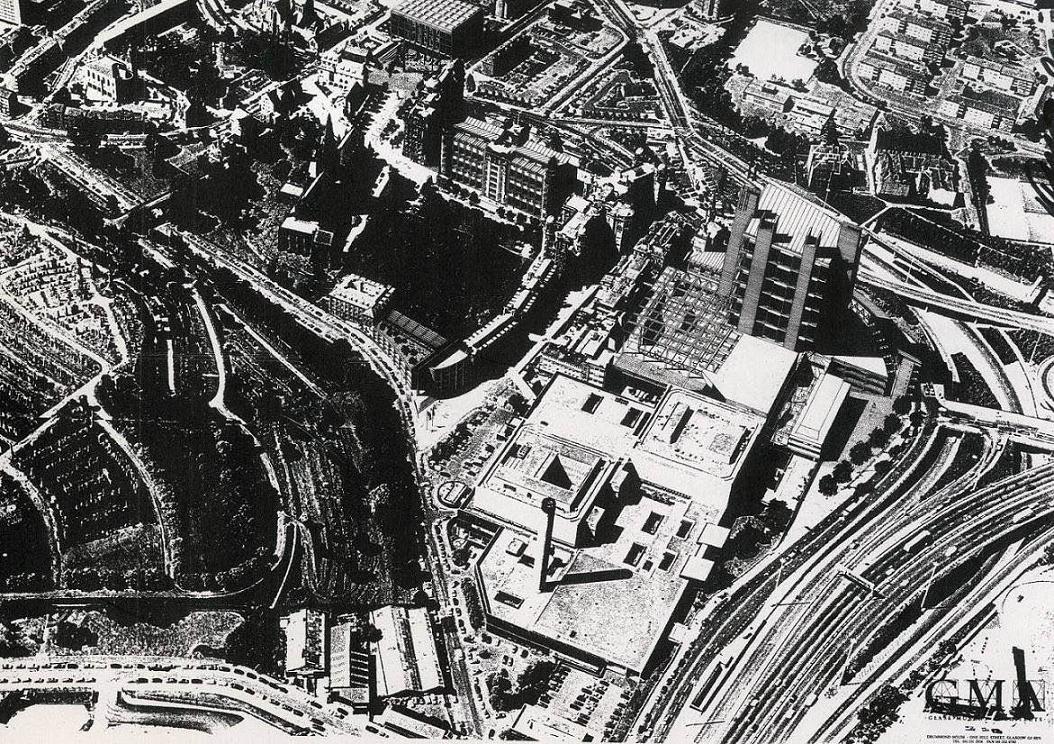
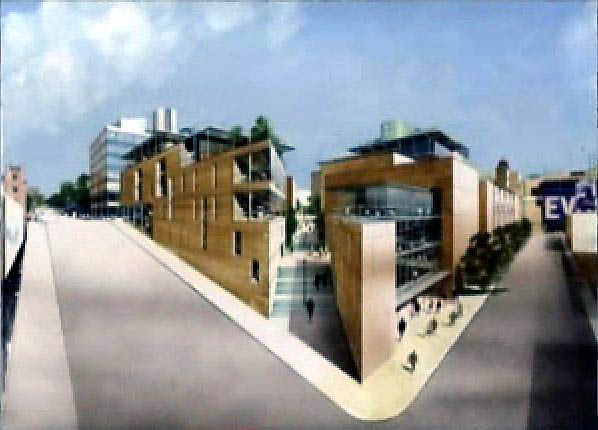
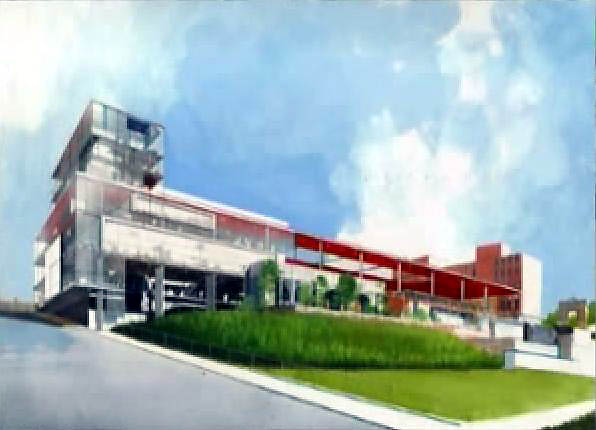
Enlarged rooftop plant, full refurbishment and a new pedestrian bridge are planned for the Queen Elizabeth Building following construction of a 1,000 space multi-storey car park to replace lost surface parking. Situated close to Parade Park. Right hand image represents an unrealised gm+ad masterplan.
Cost - £300 million (Total)/ £50 million (Faculty of Education)/ £36 million (Biomed)/ £17.6 million (Sport Centre)
Location - Cathedral Street/George street
Status - u/c (Biomedical Bdg)
Materials - Curtain wall and aluminium coloured soffit panels (Biomed)
Start date -
Completion date - Summer 2011
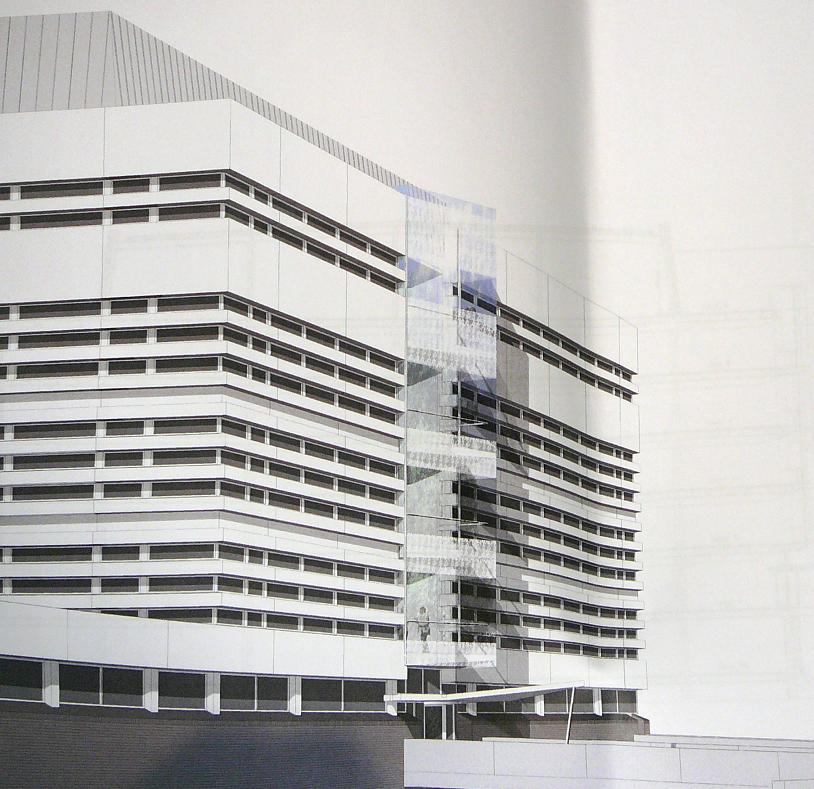
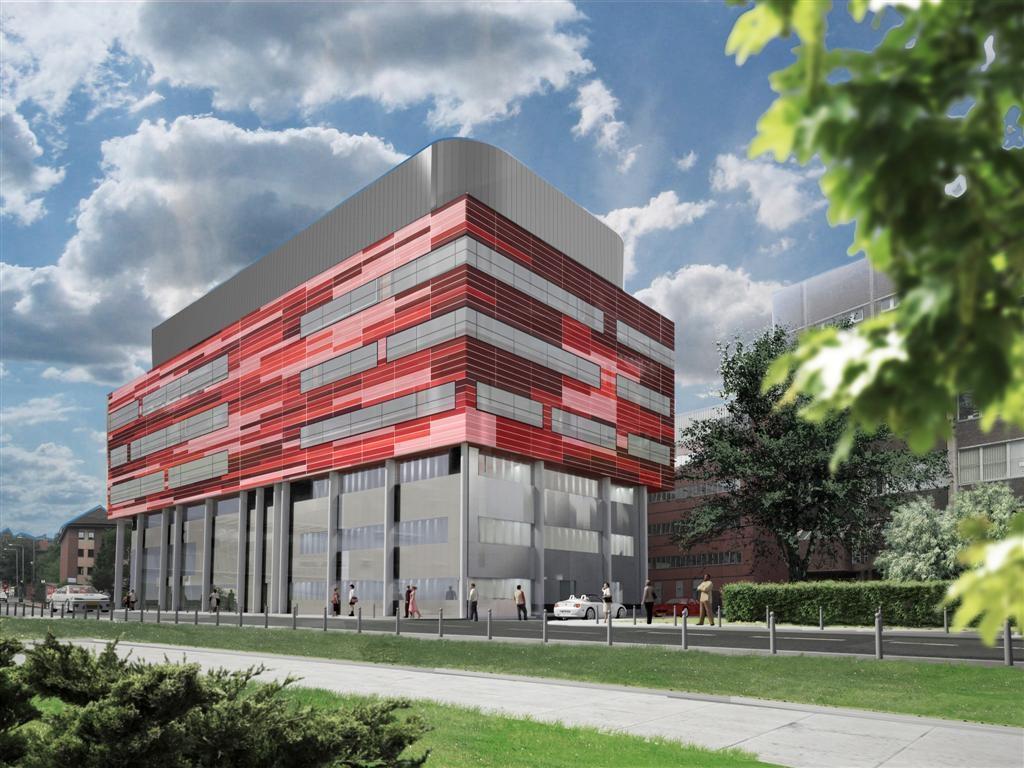
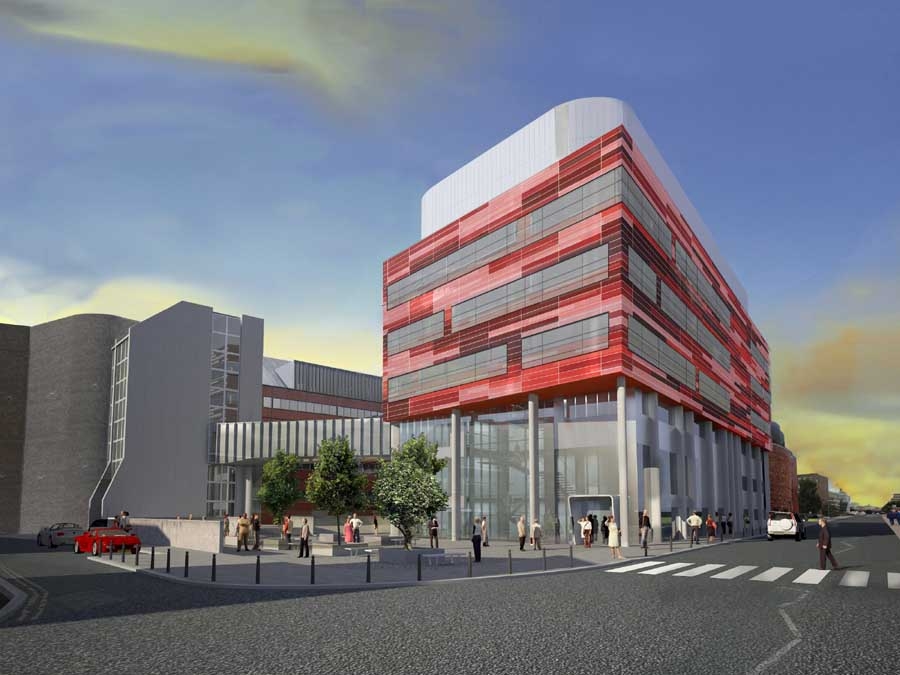
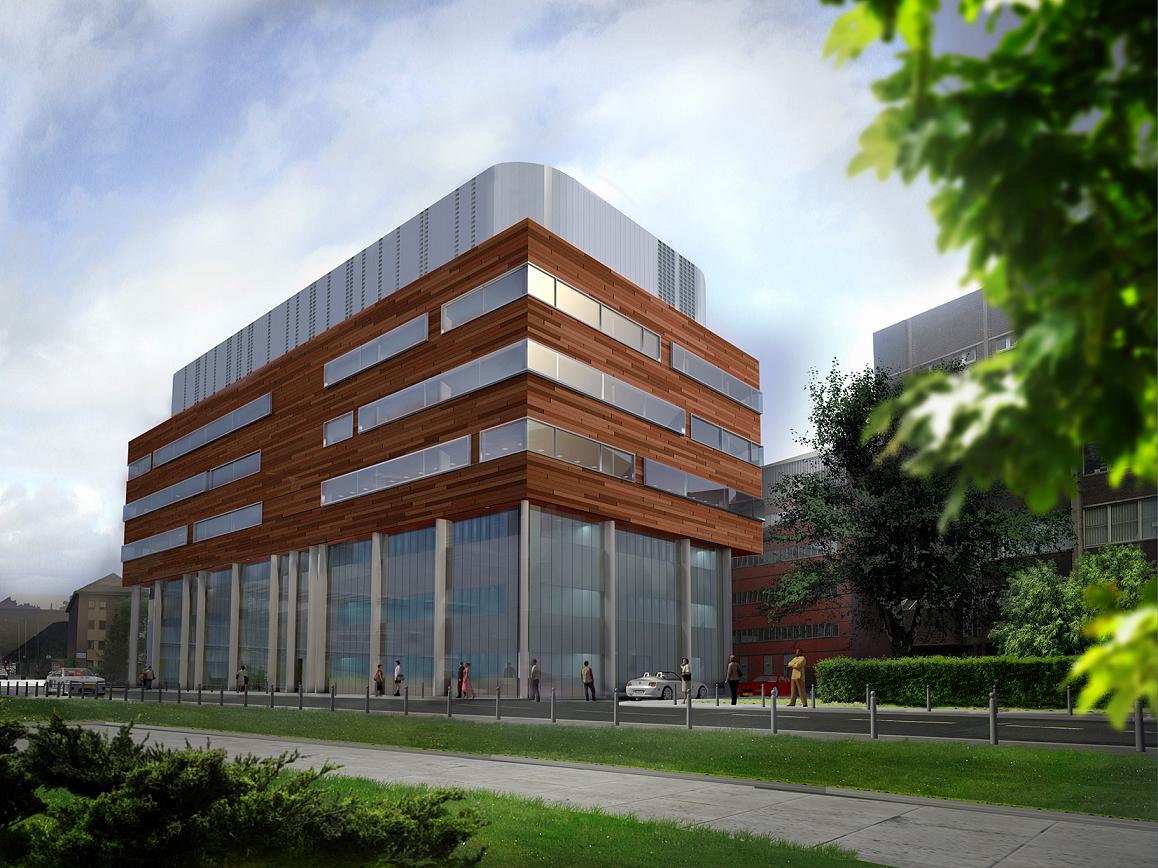
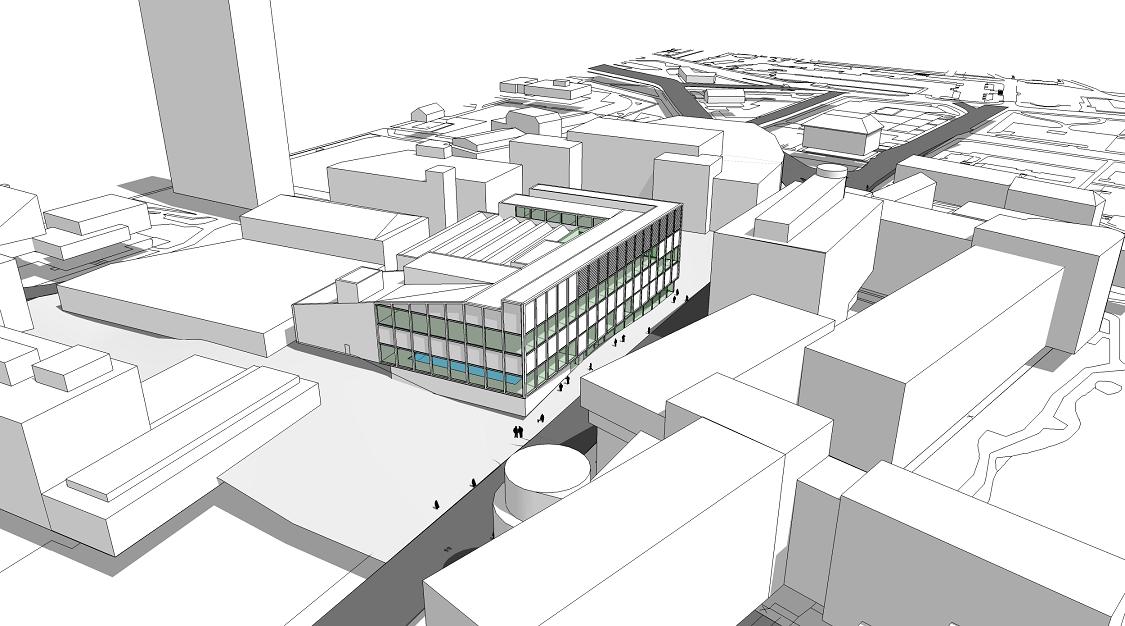
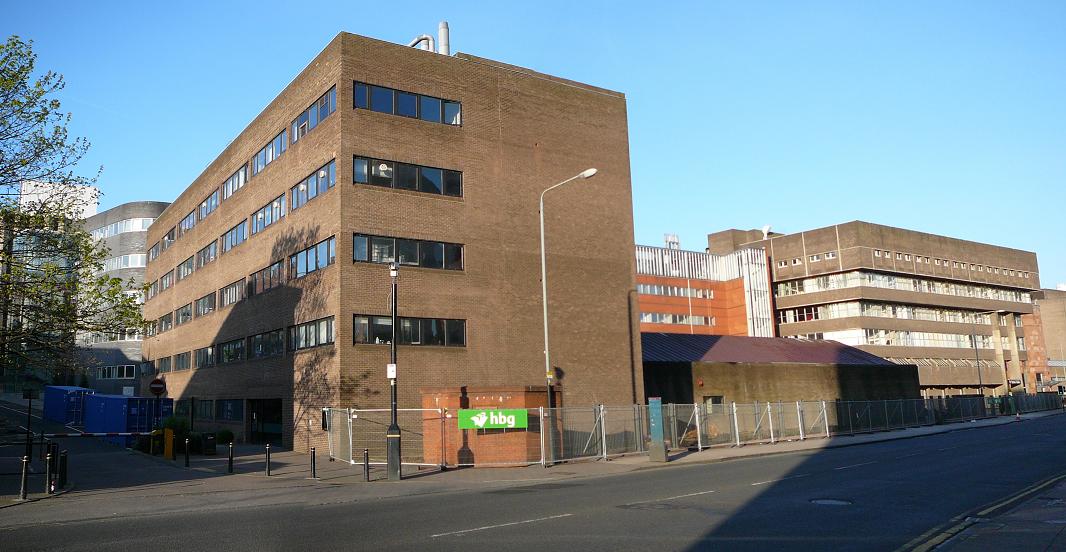
Strathclyde University propose demolition of existing surplus buildings (including their huge student union). This will dovetail with a new build program including a Biomedical facility bringing together a multi disciplinary team to tackle drug discovery and development, architecturally this will sit on an elevated glass podium interlinked with the existing John Arbuthnott Building via link bridges. It represents the universities largest single project to date and is hoped the laboratories will attract leading scientists to Glasgow.
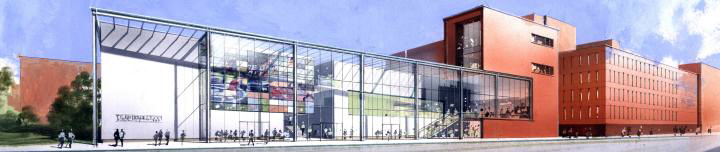
Opposite this will rise the planned Sports Centre featuring 25m pool, two halls, fitness suite, treatment rooms and a climbing wall adjacent to the existing Library.
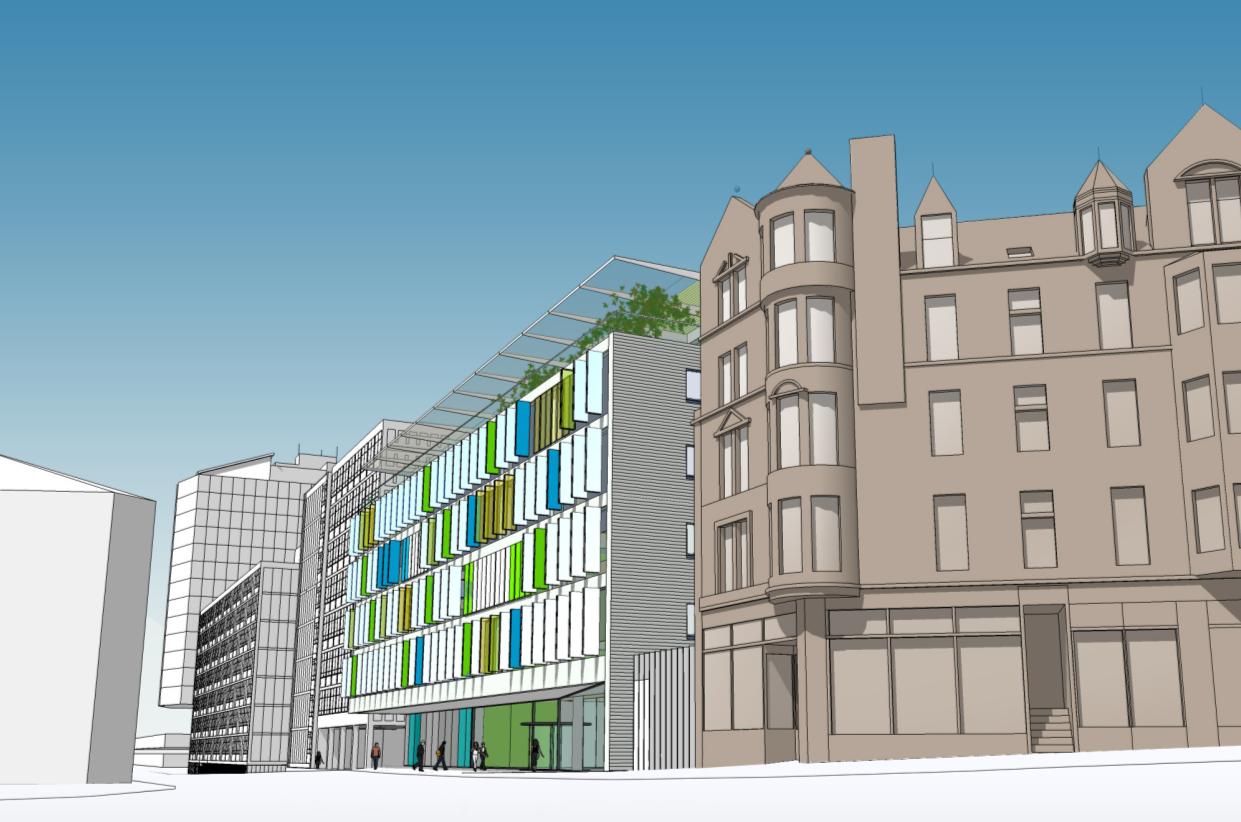
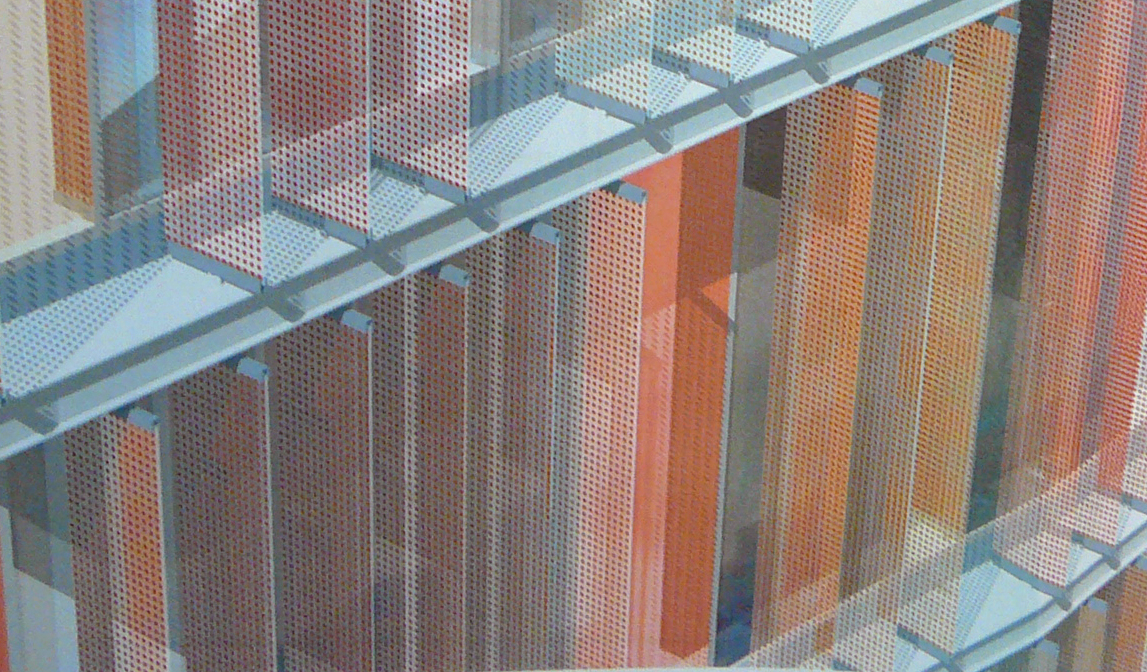
Elsewhere migration of the Faculty of Education to George St which in a display of enlightenment will bathe key entrance and roof canopies with light. Diffused through a composite glazing and filtered by a mesh cladding this will produce an ambient glow. This system takes advantage of the shadows cast by users within to become a “living element”, achieved by projecting light from the back wall. Lines of light on all floors reinforce an appearance of verticality. Motorised translucent fins create an animated façade by day whilst enhancing colour and reflection by night. Recessed LED strips in the structural beams are intended to extrapolate this dynamism into the roof space with alternatively concealed up lighting to bask the soffits in an even light. The piece de la resistance (given suitable funding) could be a mesh of LED’s embedded into a rooftop plant level, acting as a matrix wall for images, video and text to impart sponsored messages. Budget constraints however may entail simply extending vertical light in an equaliser pattern.
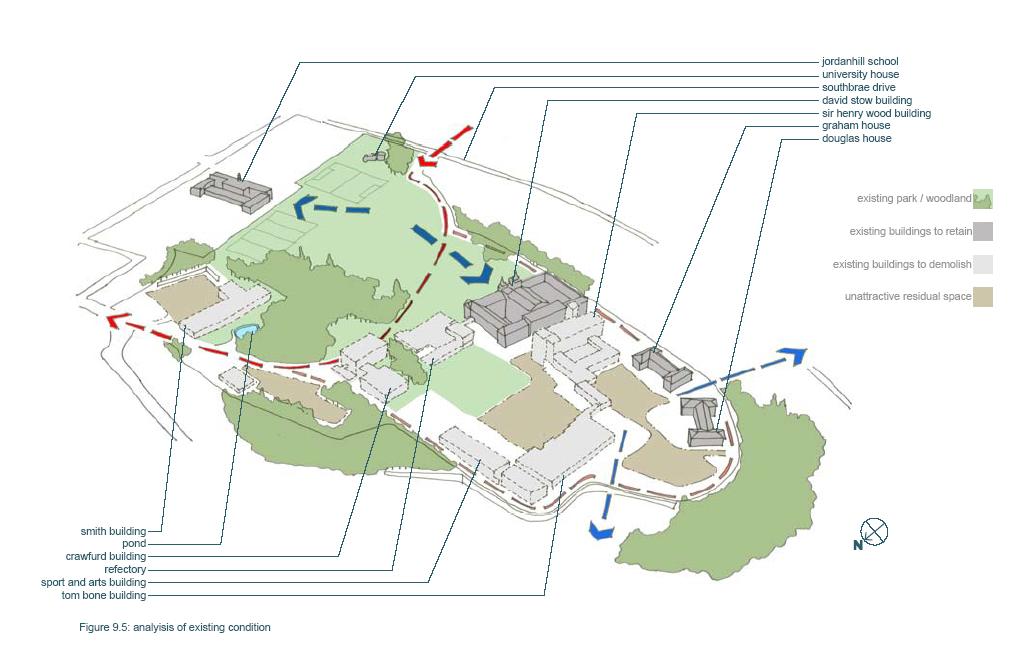
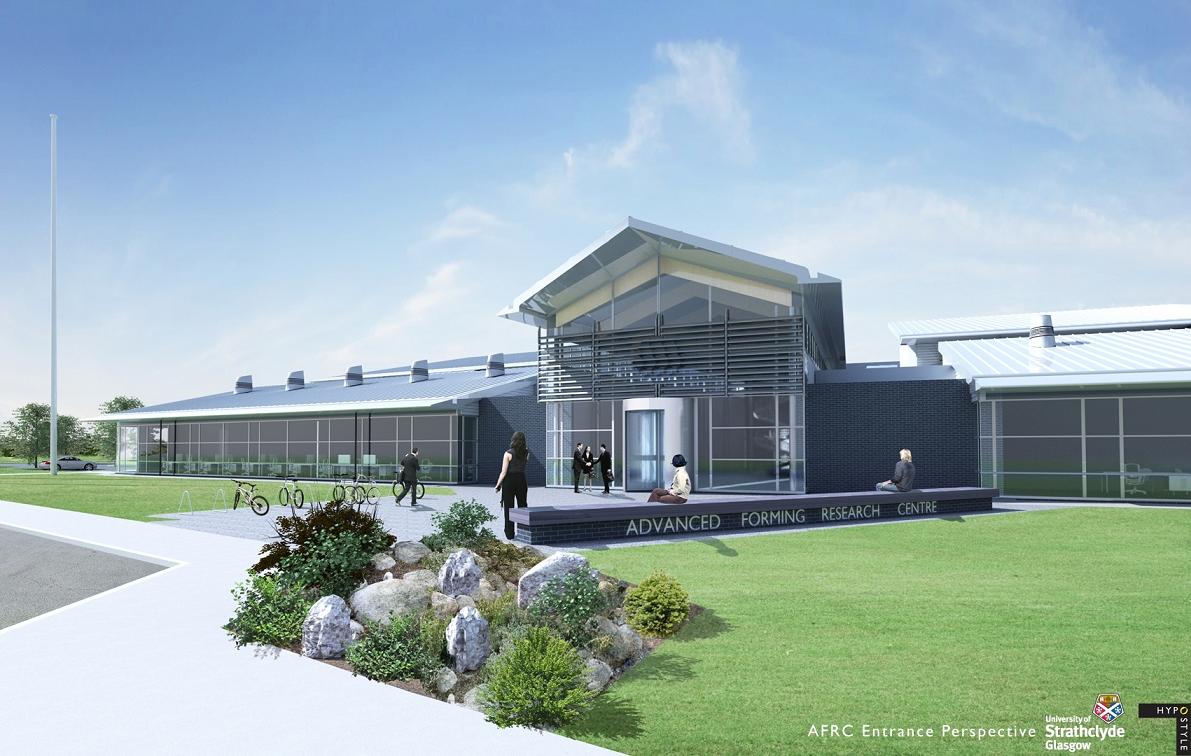
This will free up land at Jordanhill for a new masterplan which will see refurbishment of the B listed David Stow building into residential accommodation, offices or a hotel. Selective demolition on the remainder of the estate will see removal of several later additions, notably the Sir Henry Wood Building. Meanwhile at Glasgow Airport the Advanced Forming Research Centre will develop technologies in support of the design and manufacture of new products and components.
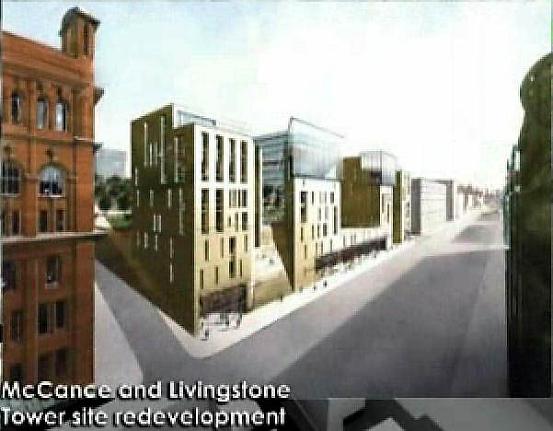
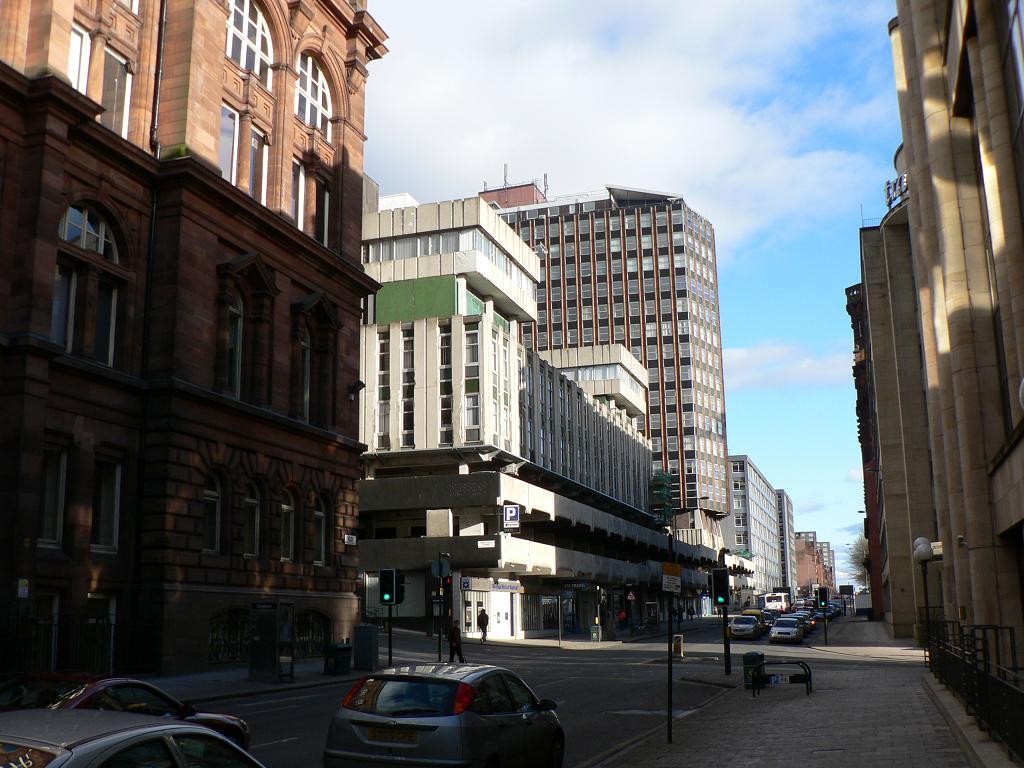
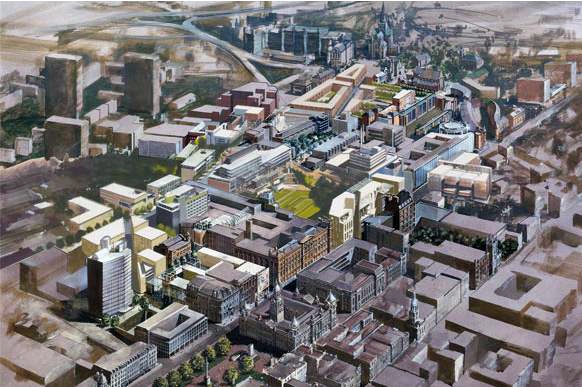
Works in the longer term involve demolition of the 17 floor Livingstone Tower for a new McCance Building. A new "Front door" will rise on site of the old Rottenrow maternity Hospital facing a landscaped garden area and the existing Colville building is to be refurbished.
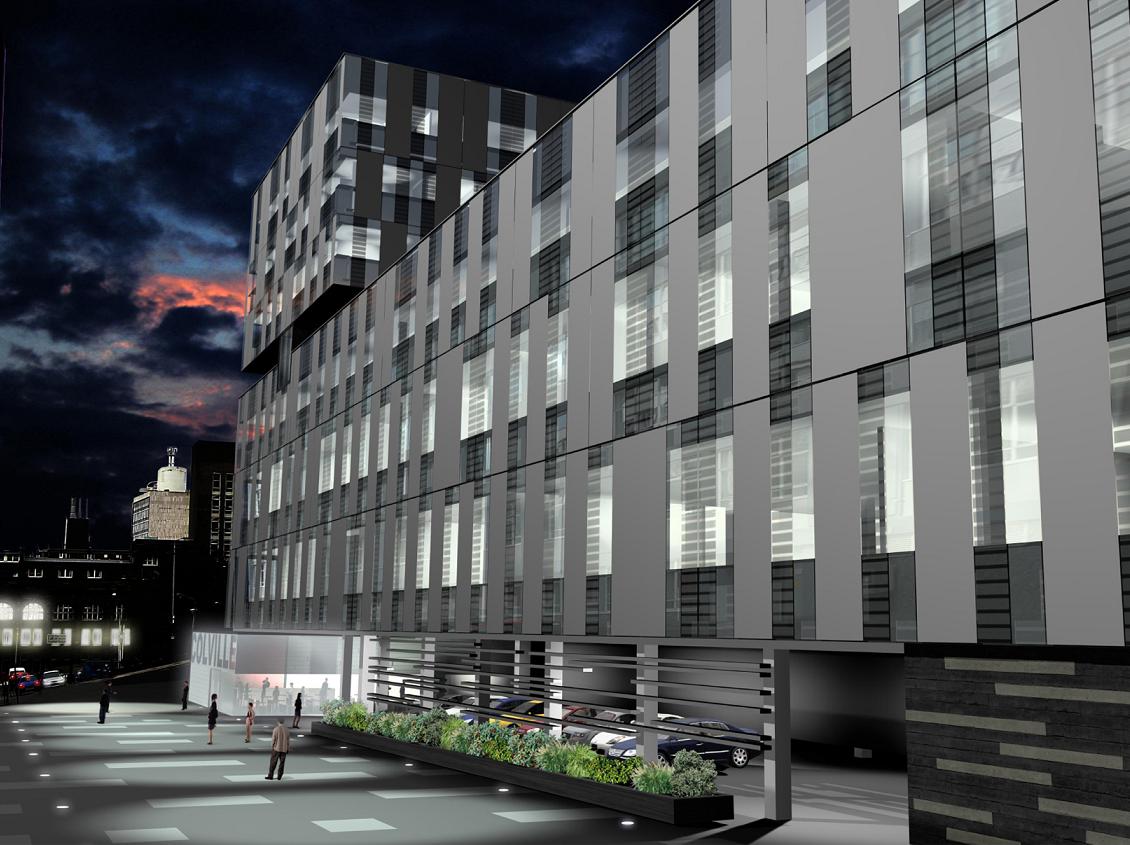
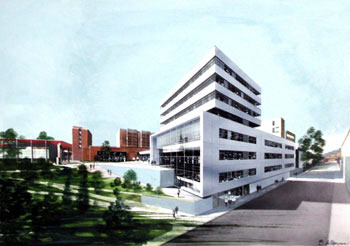
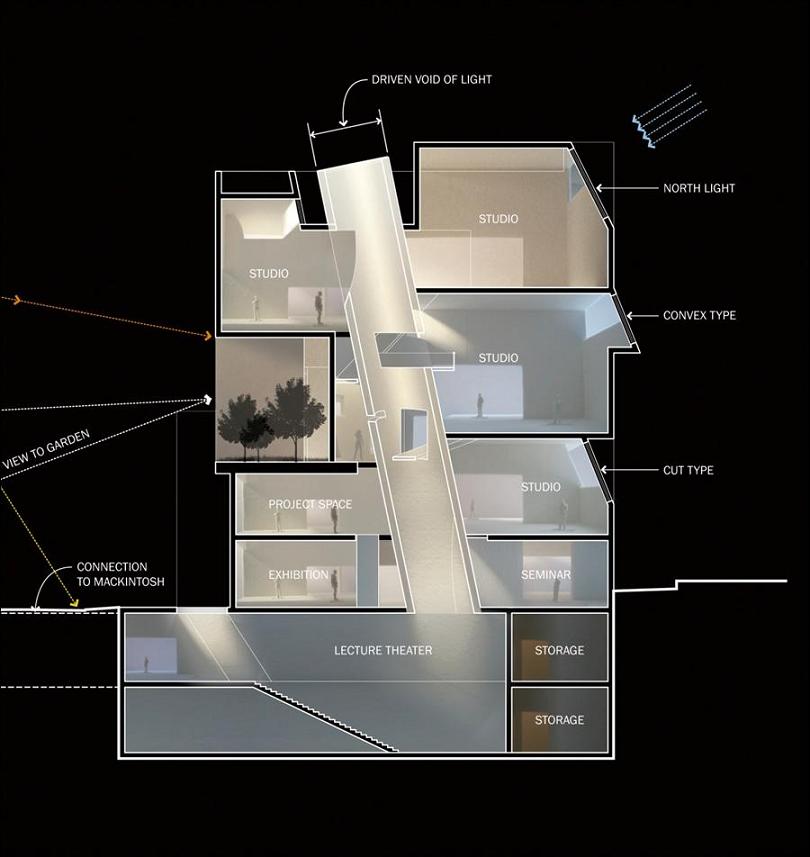
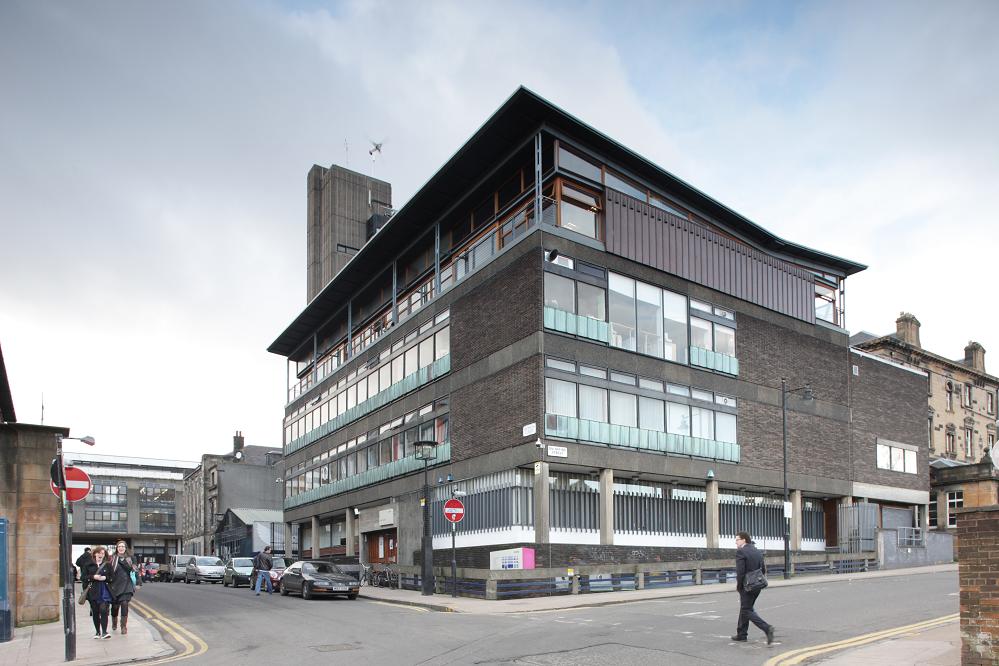
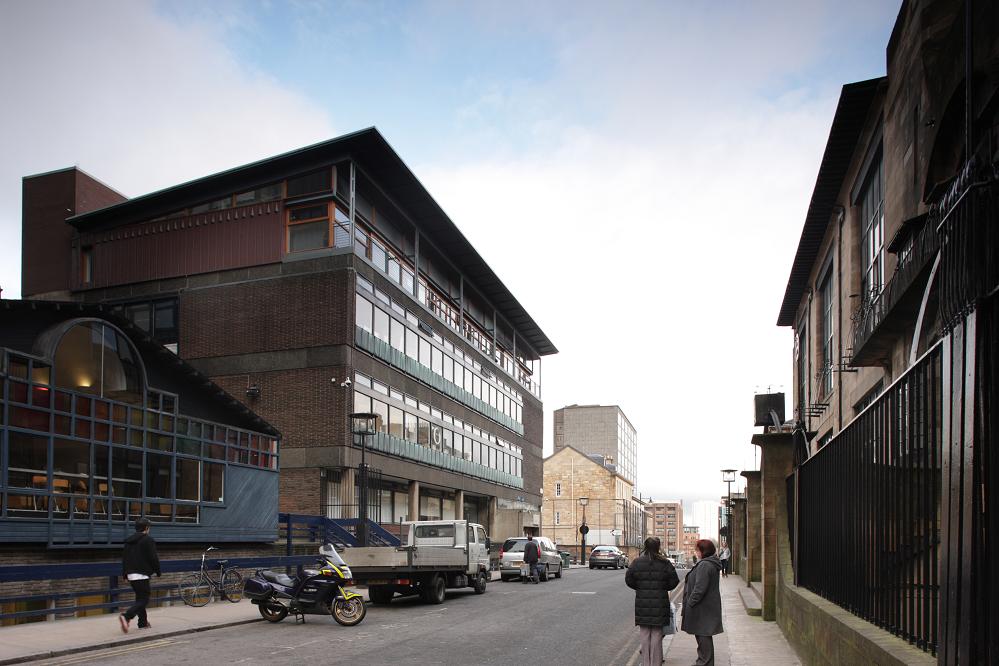
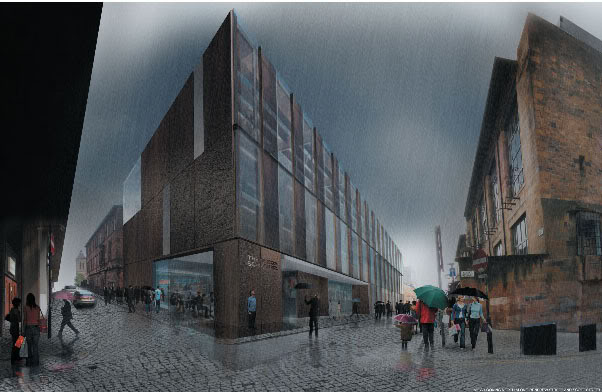
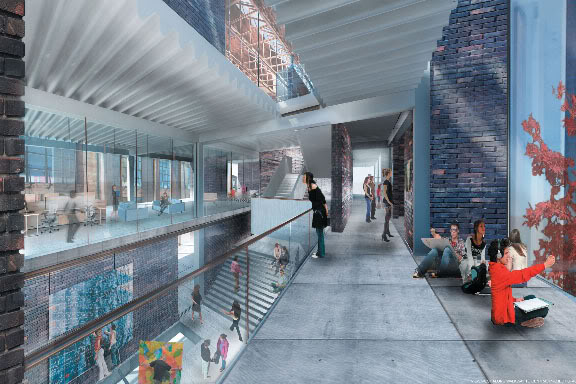
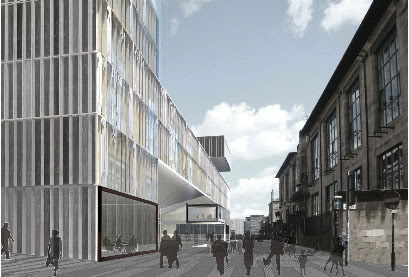
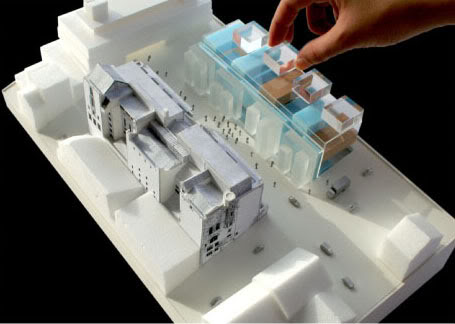
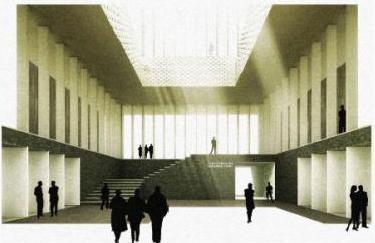
Almost 100 years on from the original architectural competition for the Glasgow School of Art a unanimous decision has been made for a new building to match the lauded Mackintosh building in creative vision and scale of ambition in respectful rivalry. New York based Holl will work with Henry McKeown and Ian Alxander of JM’s Glasgow office together with the GSA to refine their concept masterplan for the new teaching, learning and research facility, placing particular emphasis on light and circulation. They were the only team to retain the school’s down at heel 1930’s student union which will be entirely enveloped by the new.
Alternate designs
Amongst the practices to submit were Elder & Cannon who have adopted a solid, tactile approach, displaying a robust copper finish lightened by full height glazing in a regimented rhythm along the length of Renfrew Street. Francisco Mangado on the other hand are pursuing a playful approach with a grand foyer space displaying due deference to the masters work across the road and offset by a feature cantilever above. Slender external skeleton of subtly hued fins inject a splash of colour. Hopkins has made use of the south facing façade to create a new sun trap on Renfrew Street along pedestrianised outdoor steps.
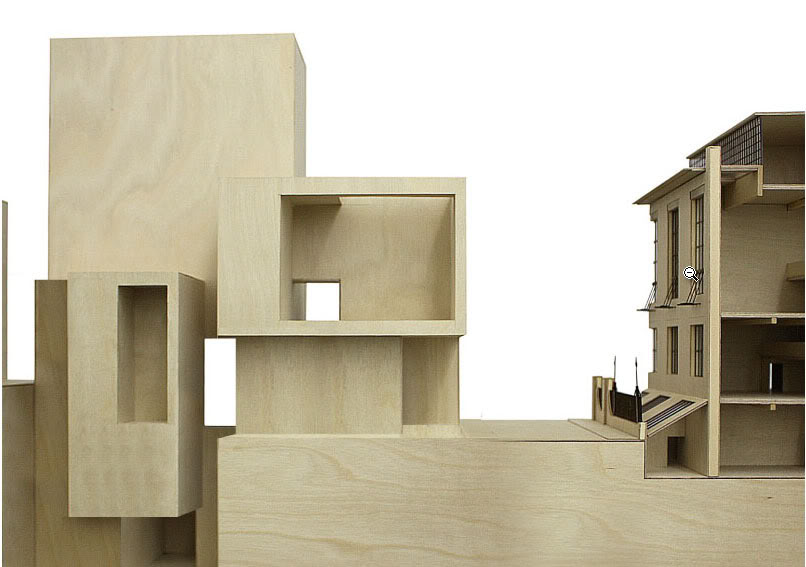
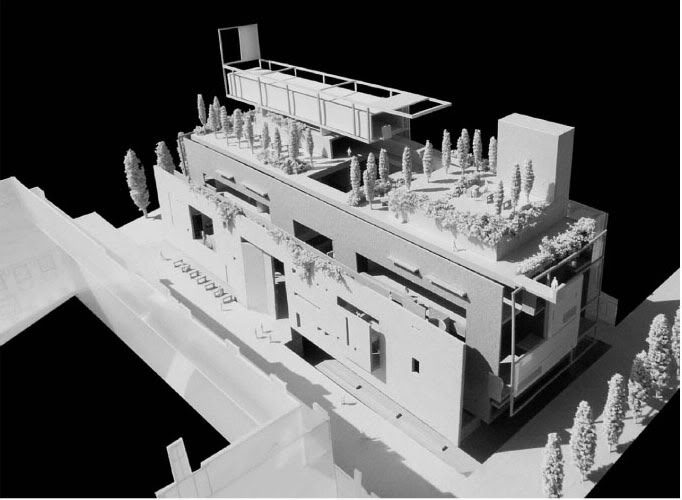
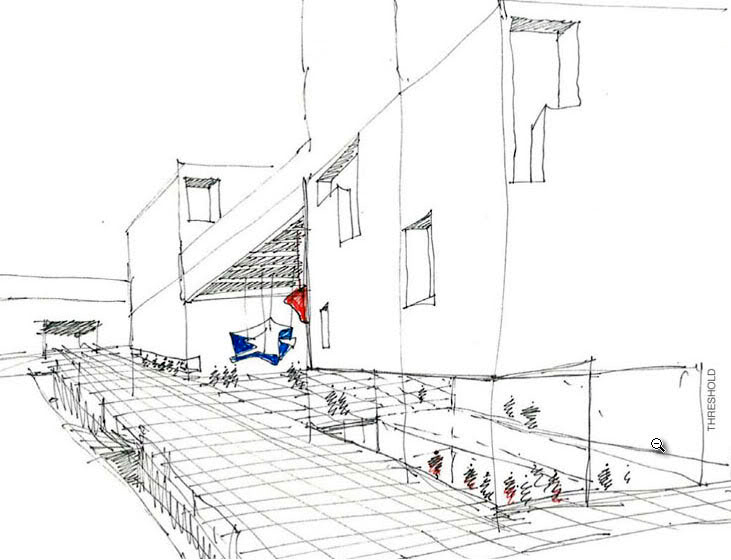
Utilising a wood cut model John McAslan and Nord have produced a sculptural response to context, developing a series of stacked cubes to break down the buildings mass and disguising a voluminous central atrium space. Benson & Forsyth who propose a multi layered angular box draped with greenery and topped by a dramatic roof garden. Central to the project is a grand double entrance directly facing the famous steps of the Mack. An enigmatic entry follows from Grafton Architects, with indistinct line drawings appearing to show the common dual height entrance space, decorated by hanging art. A solid masonry façade is broken by Tetris style inserts whilst a glazed ground level grants sight direct to a basement level.
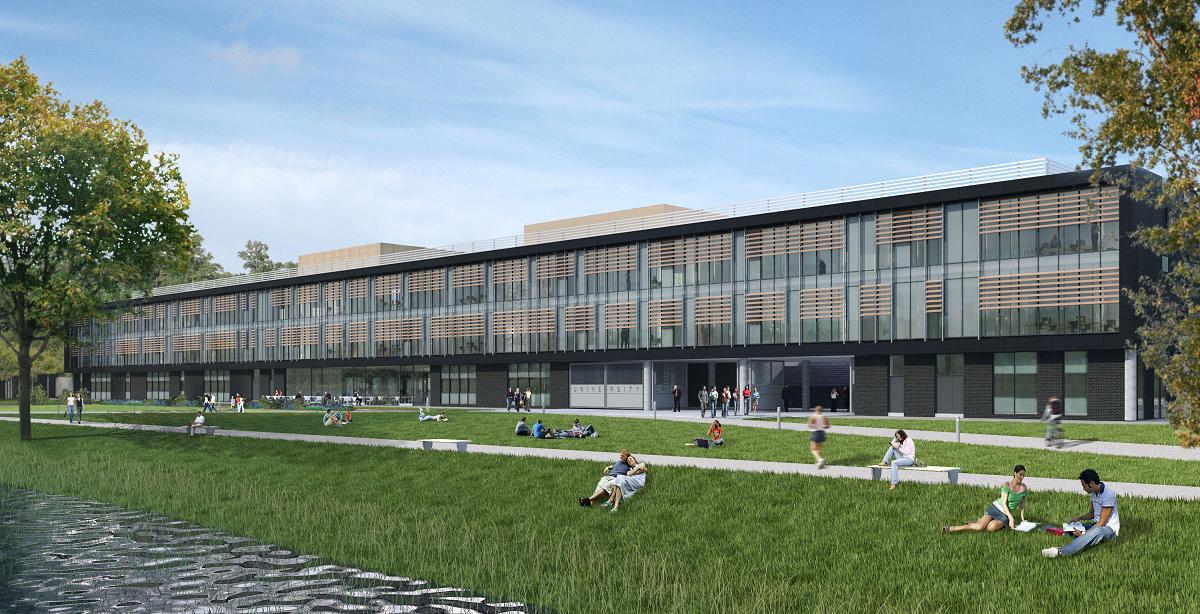
The annexe will house flexible teaching spaces and workshops for construction and engineering, learning resource space, dance and art studios, sports and fitness areas, catering facilities, and a 50 place nursery for staff and student childcare. In design the college employs similar usage of colour and drum signature feature to BDP's Motherwell College, being developed in tandem.
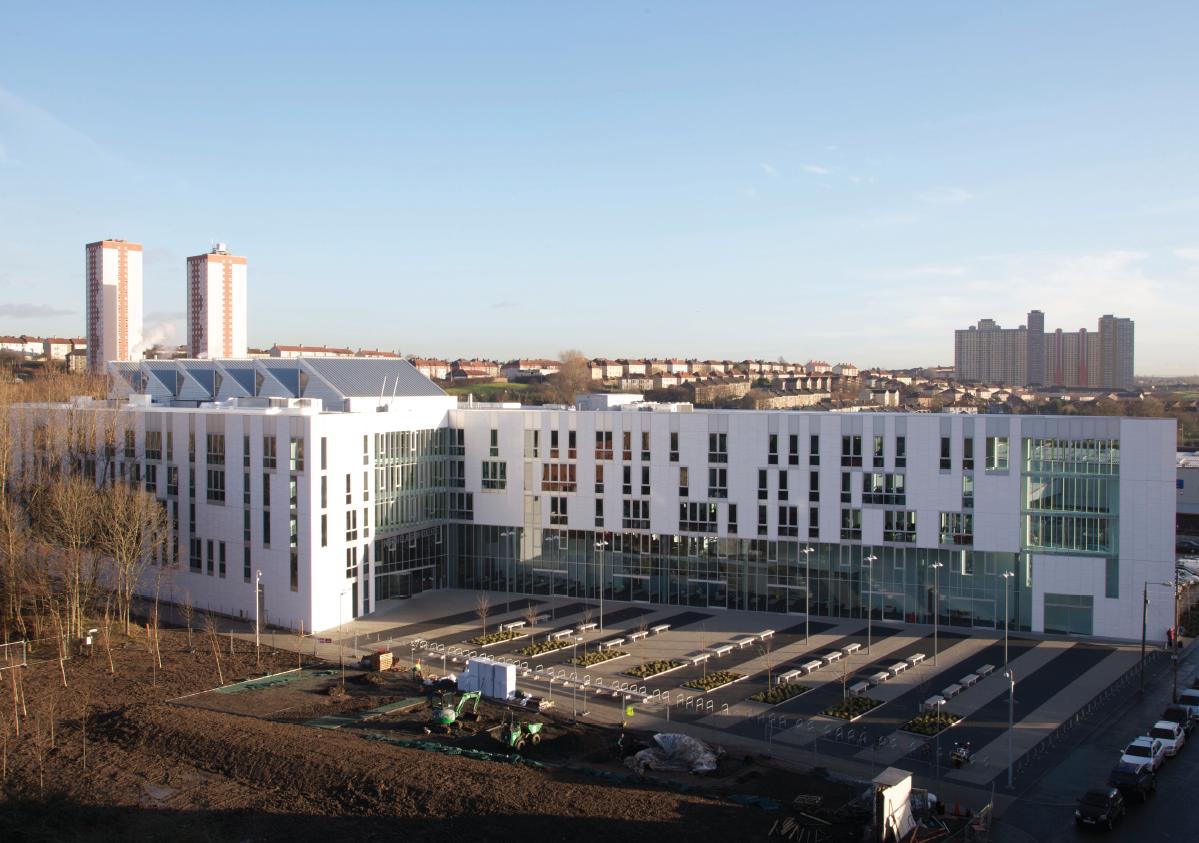
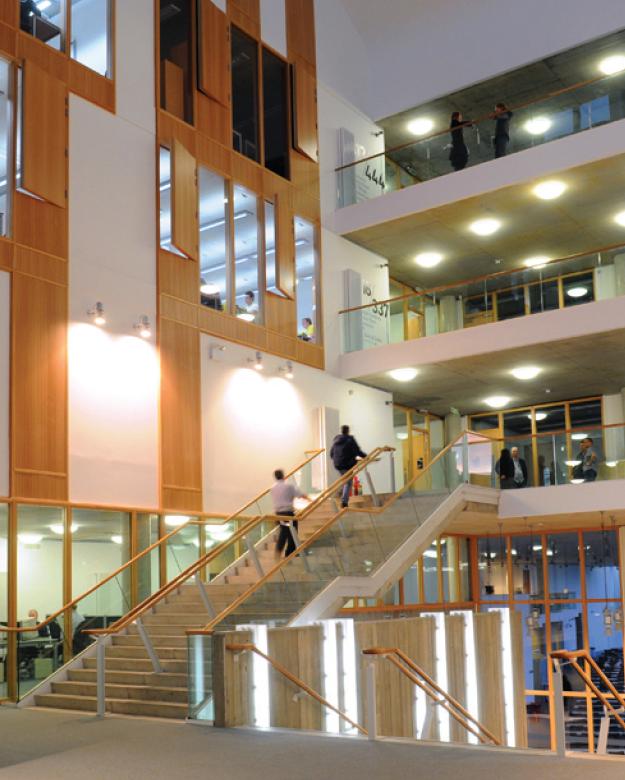
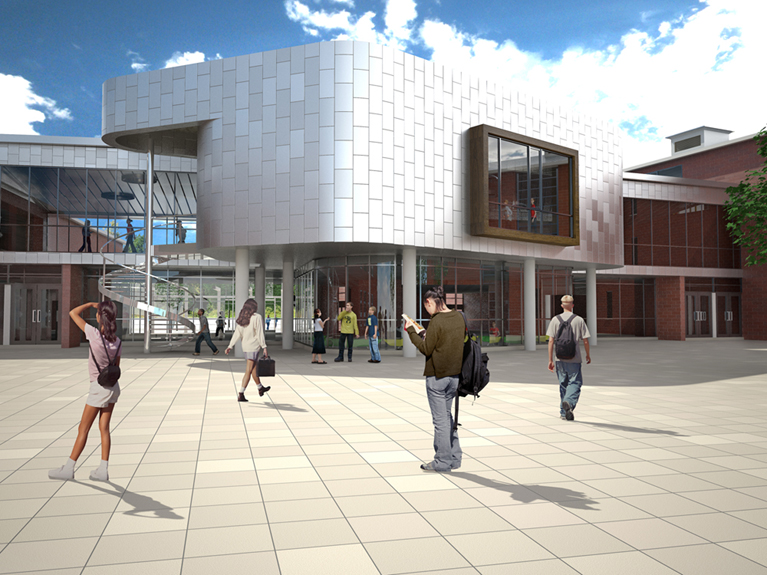
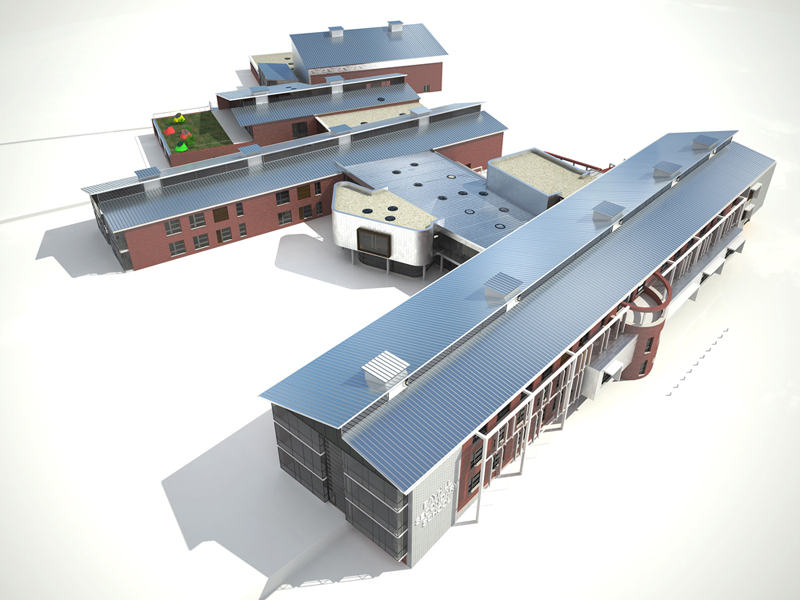
This campus redevelopment delivers classrooms, social spaces and sports facilities. Split into two wings around a naturally lit atrium the extension is designed also to improve the setting and circulation of Jordanhill's listed main building.
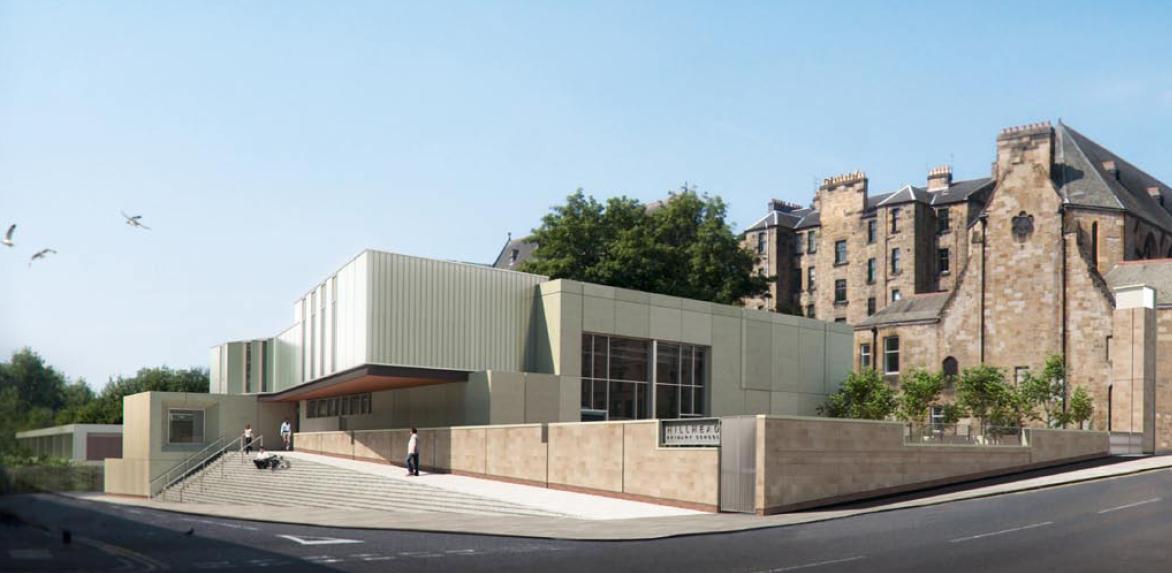
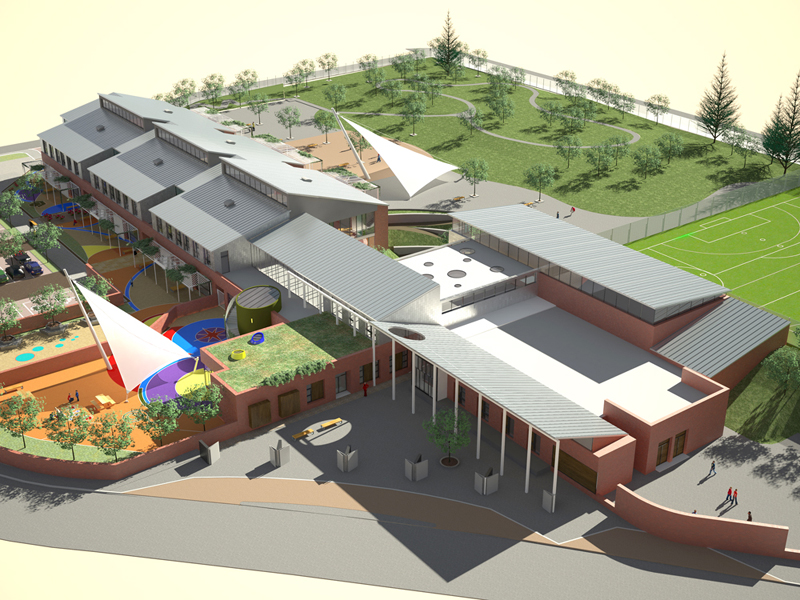
Hillhead Primary will subsume the present lunar landscape of craters, mud and the odd abandoned vehicle that is euphemistically referred to as a car park. Ditching the PPP/PFI model which has come in for so much stick from some quarters the council have plumped for a traditional design and build contract, last employed at Hazelwood School. Certainly the results here as there seem to speak for themselves with a refreshing geometric playfulness more akin to a lottery funded cultural centre.
The street is addressed via a sandstone wall that encloses a courtyard play area before deflecting inwards to provide breathing space for a sweeping cascade of steps, this elegant parallelism of lines creates a natural sense of depth and culmination at the primary entrance. Doubtless this is intended as an external break out space and published perspectives duly depict content punters reclining in the sun, further focus is accorded by a sculptural window overlooking proceedings and any untoward antics that might otherwise be attempted. Despite such architectural aplomb, particularly in such a long suffering arena as educational provision, the issue of height (or lack thereof) is a bone of contention. The low slung school is dwarfed by its neighbours, choosing instead to slink from prominence in a back seat capacity. The school will take pupils from Dowanhill, Hillhead, Kelvinhaugh and Willowbank primaries. All of which will close when the new school opens its doors.
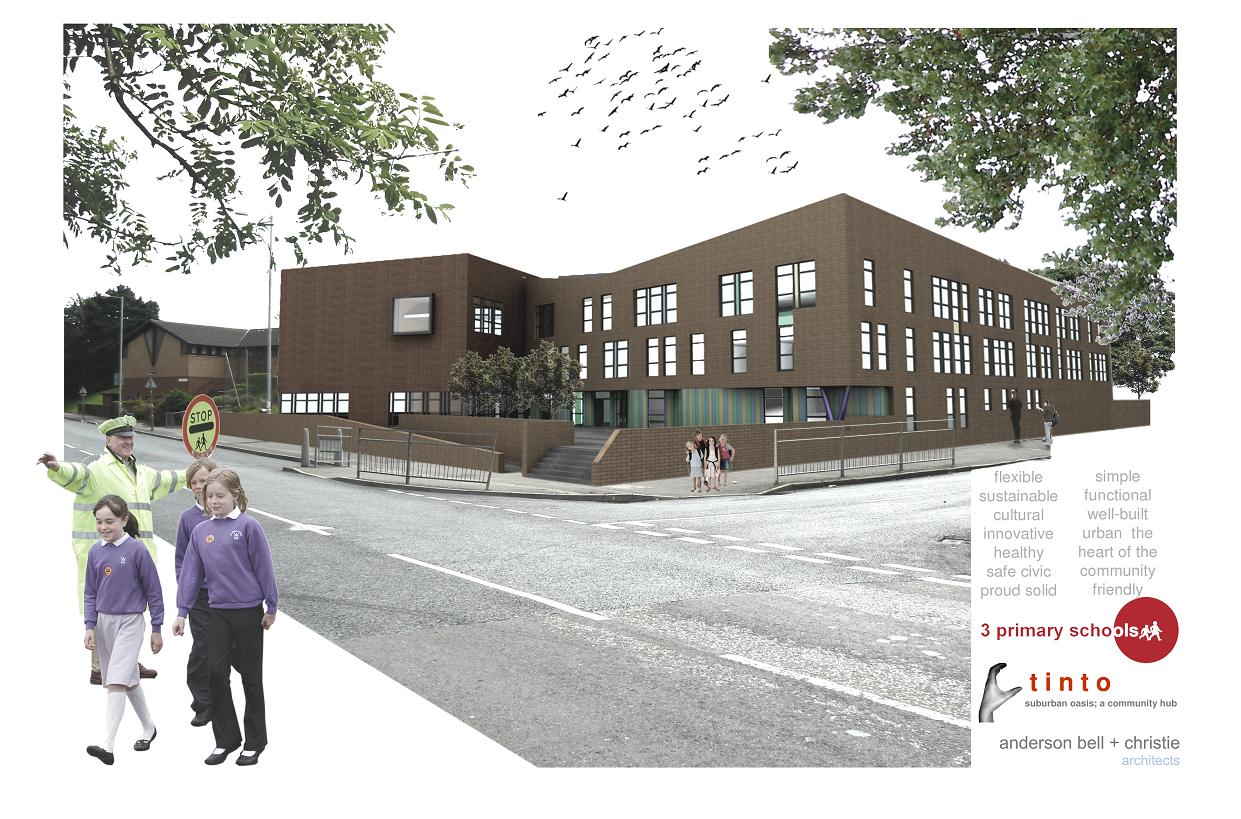
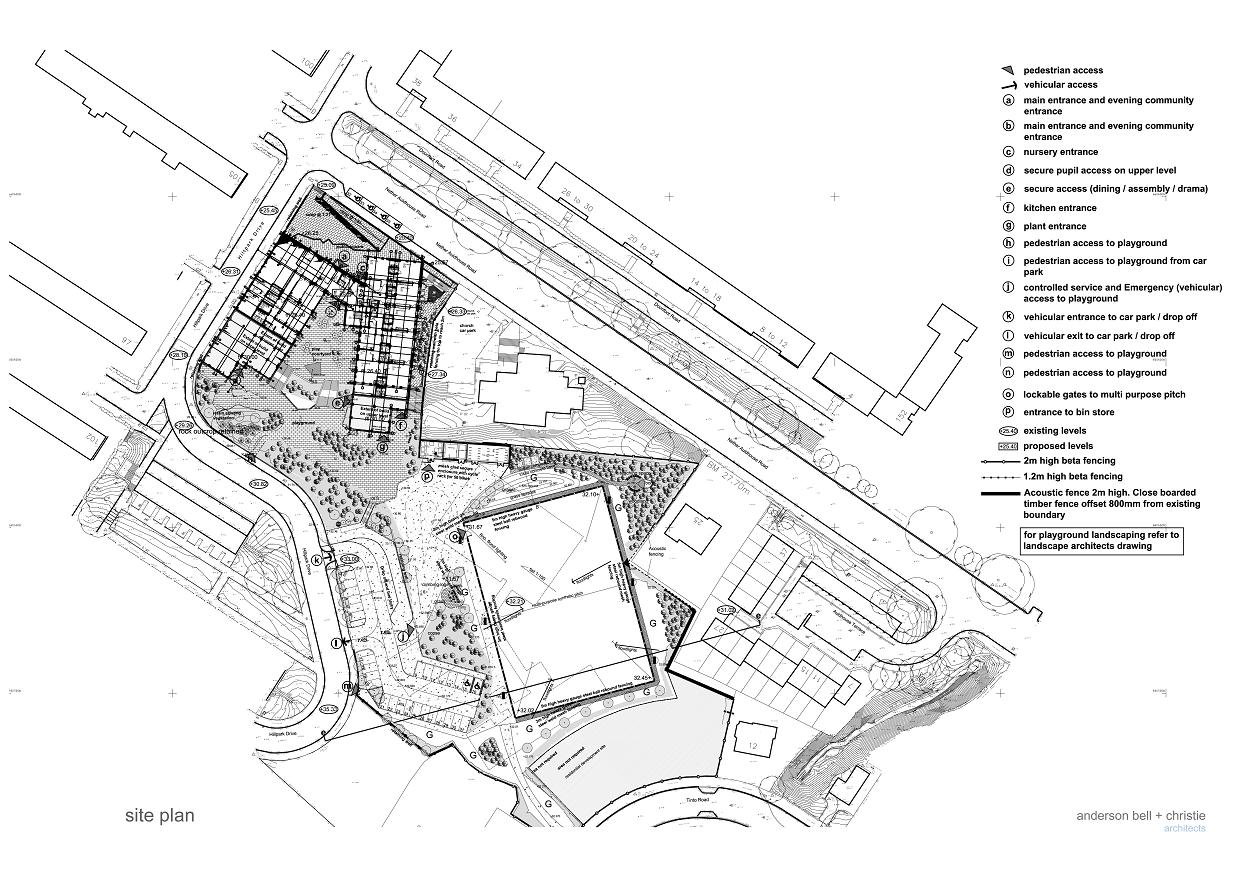
A beefed up Tinto Primary will soak up rolls from the existing Sir John Maxwell Primary, Shawbridge Nursery and Pollokshaws Day Nursery as a one stop shop for children. Spin off benefits of the scheme will filter through to older generations by opening school facilities to the wider public, such as the artifical pitch, games hall, library and selected multi purpose classrooms. A neighbouring church is accommodated into the design through provision of a public square which serves to enmesh the twin spaces. Massing of the school is designed to sit comfortably within the predominantly suburban domain but provide “a strong identity and landmark of note” within that context. Busy adjacent roads are cushioned by “breathing spaces” along this perimeter and a sunny south facing safe play courtyard is created by clustering buildings to the north.
The present Tinto Primary building, branded “weak” by HM Inspectors in September 2006, will be demolished to make way for the facility. Amongst other failings inspectors were perturbed by an odoriferous boys toilets, water ingress, dry rot, vandalism, poor disability provision and hallways part used for storage.
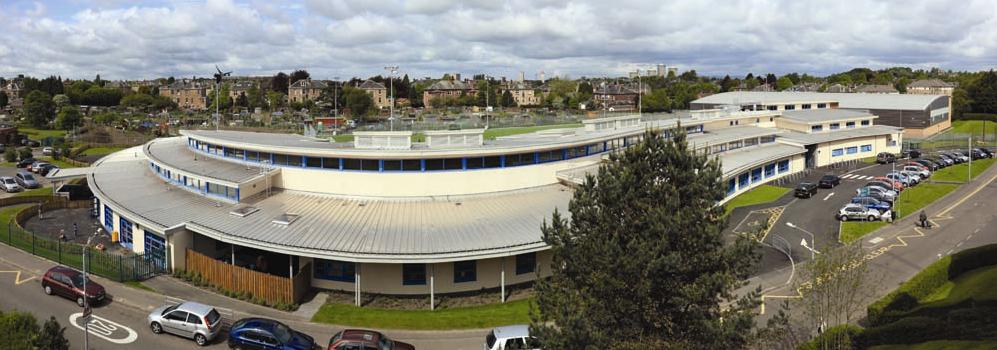
Merrylee eschews physical security barriers for an integrated approach to the adjoining Our Lady of the Enunciation primary. Light maintenance construction methods were employed, saving both energy and cost through use of recycled paper for insulation, orienting the building to take best advantage of daylight, utilising natural ventilation and specification of certified timber. An on-site wind turbine, part funded by Scottish Power and the Energy Savings Trust, provides up to 12% of the schools power needs. Playtime forms a critical component of the school curriculum with an “urban jungle” featuring a suspension bridge, felled tree, cargo net, barrel dens and log seats.
Glasgow University : Masterplan : Published 20/05/07
Cost - £10.5 million (The Hub), £4 million (Computing) & £20 million (Biomed)
Location - 18 Lilybank Gardens (Computing)
Status -
Start date -
Completion date - 2012
Glasgow University is seeking to capitalise on the opportunity created by clearance of the Western infirmary to reconnect Kelvingrove park with the university campus and wider west end. The redeveloped Hub building will offer coffee bars, food court, bookstore and medical/dental practices. Lilybank Apartments & Artizan neighbour the Glasgow University estates.
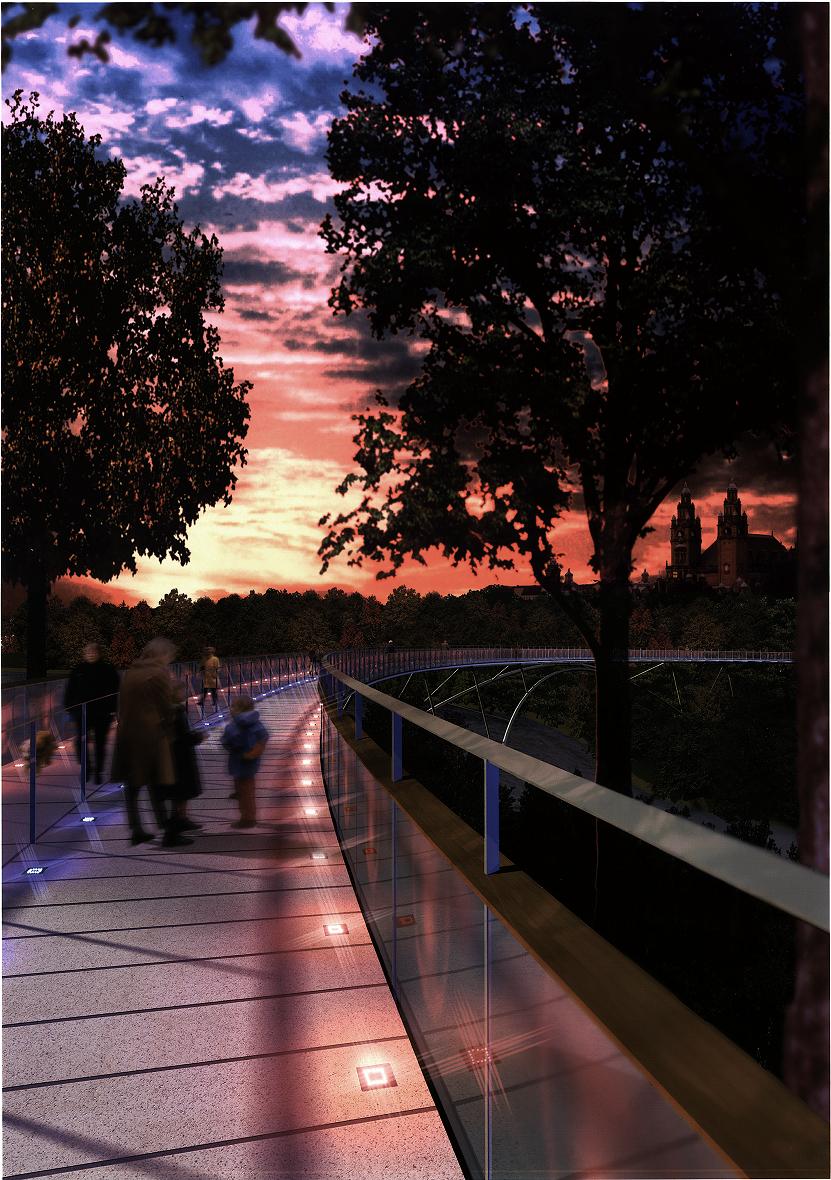
A pedestrian link bridge was planned to sit on the axis of Glasgow University and Kelvingrove Museum above the river Kelvin by John McAslan + Partners.
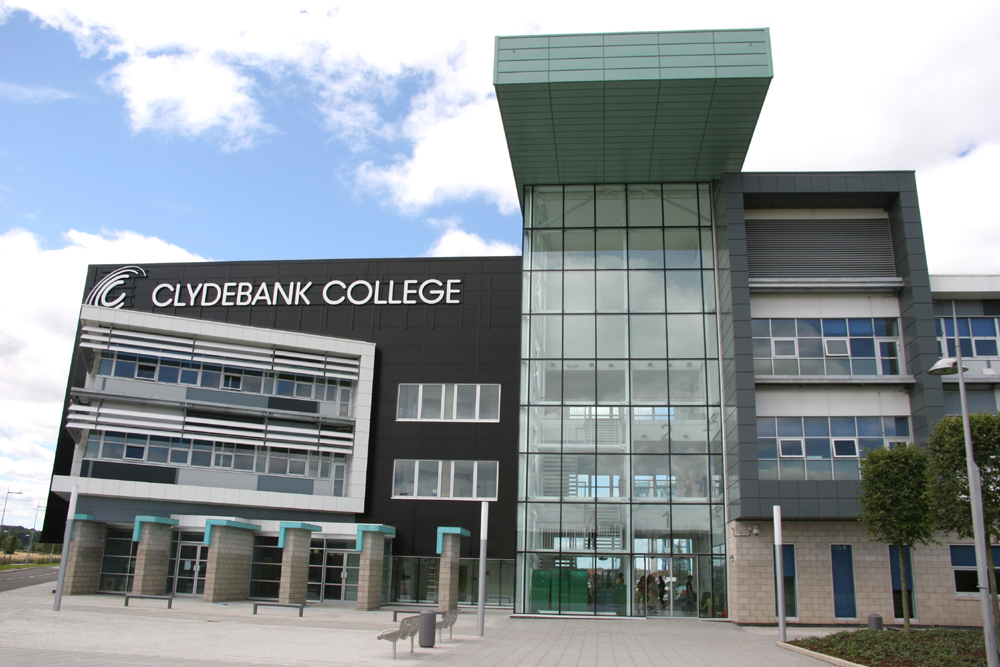
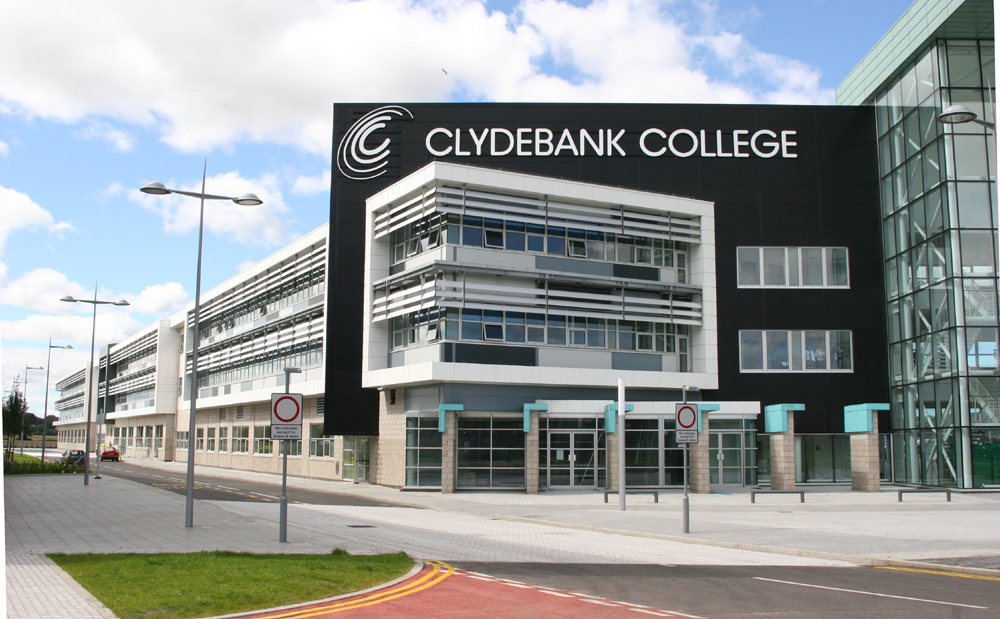
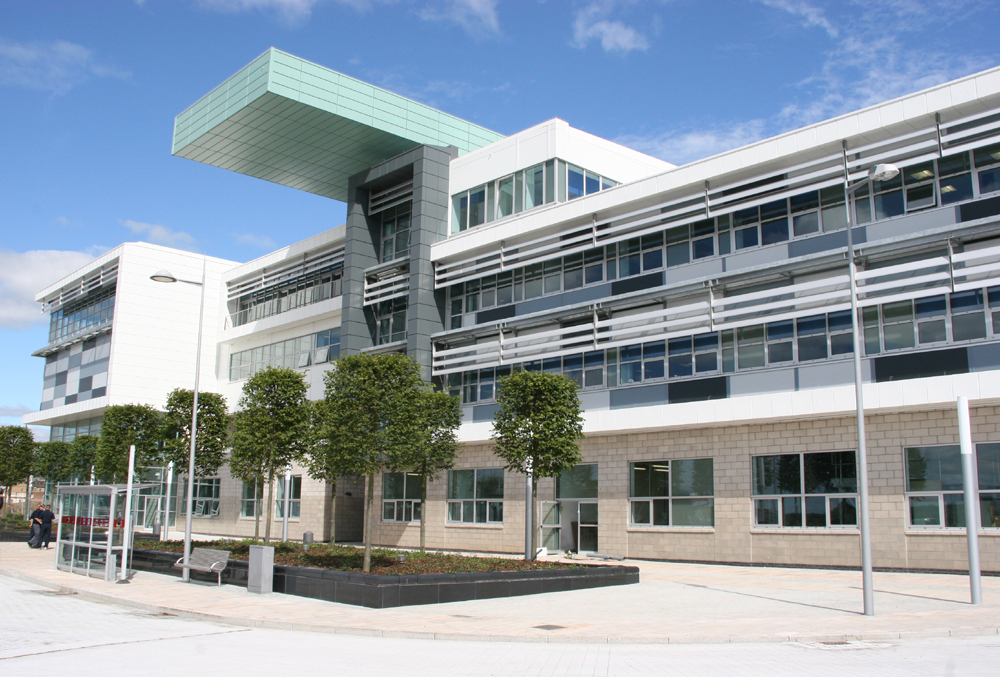
Clydebank College now stands complete upon the former John Brown Shipyard. Custom specification has been achieved through close liaison with College staff whilst extensive landscaping works see the Clyde reconnected to town by a sequence of squares, streets and walkways.
Opinion
Close collaboration with end users has produced a College successful not only in efficient delivery of curriculum but in wider community engagement. Horizontal emphasis of teaching space encourages formation of new streetscape, perhaps compromised by ground level blockwork which falls below the standard attained in landscaping, but enlivened by bold feature atria delineating points of entry. Tenemental proportions foster a new urban context for the Titan Crane, re-engaging Clydebank with its forgotten docks and exposing the latent potential of river as tool for economic invigoration.
Materials - glazed enamel panneling, glass, timber and stone.
Floor space - 16,900sq/m
Cost - £30 million
Location - Springburn
Status - Approved
Start date - Sept 2006
Completion date - Early 2008
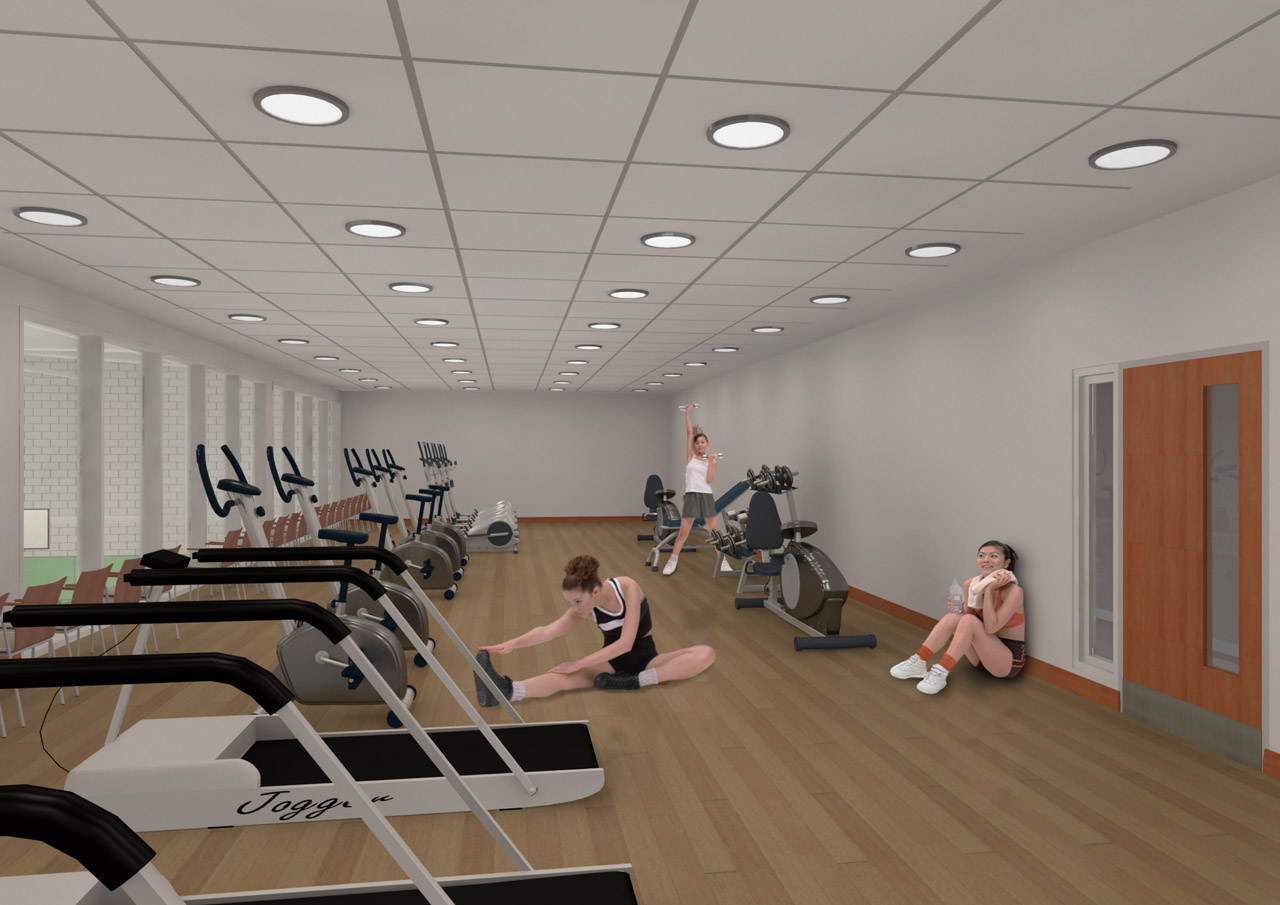
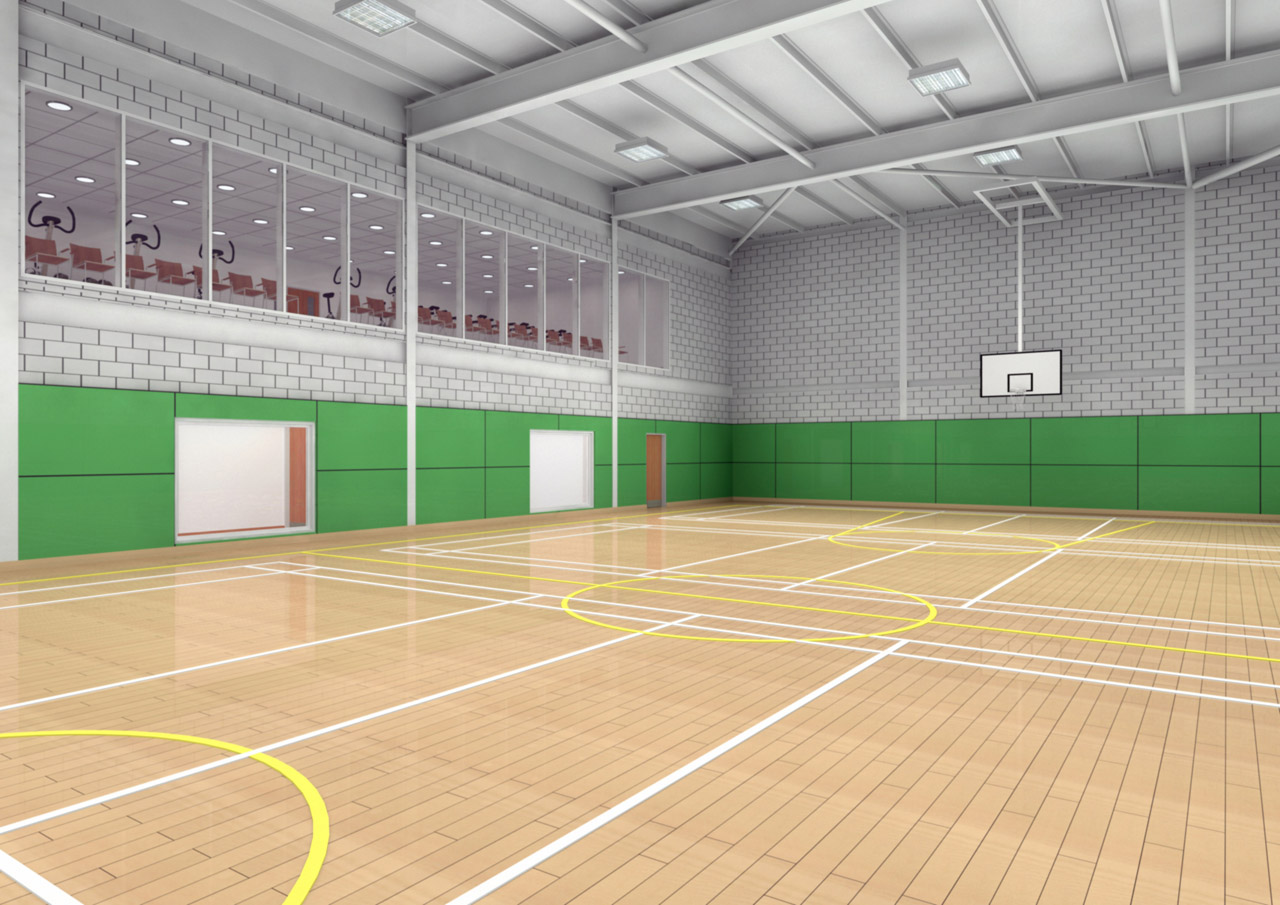
Internally College departments will be organised around a central atrium to draw natural light. The building will incorporate a Sports hall and conference facilities.
University of the West of ScotlandPublished : 12/07/09
This Brownfield site is to be sensitively developed within existing nature and topography with a series of external 'Garden Rooms', these flow into atrium spaces and link with the landscape.
e4i a consortium of Miller, Cyril Sweett, Land Securities Trillium and FES has been selected as preferred bidder for Inverclyde schools public private partnership (PPP). The program will entail closure of existing dilapidated schools and nurseries for replacement by a new breed of campus style facilities each attempting a level of design not previously seen in public building. Together these proposals form part of the Prudential Schools project, Inverclyde's largest ever investment in education
A school for children with dual sensory impairment has won a Civic Trust award recognising pioneering work in adoption of tactile, auditory and visual distinction between class areas.
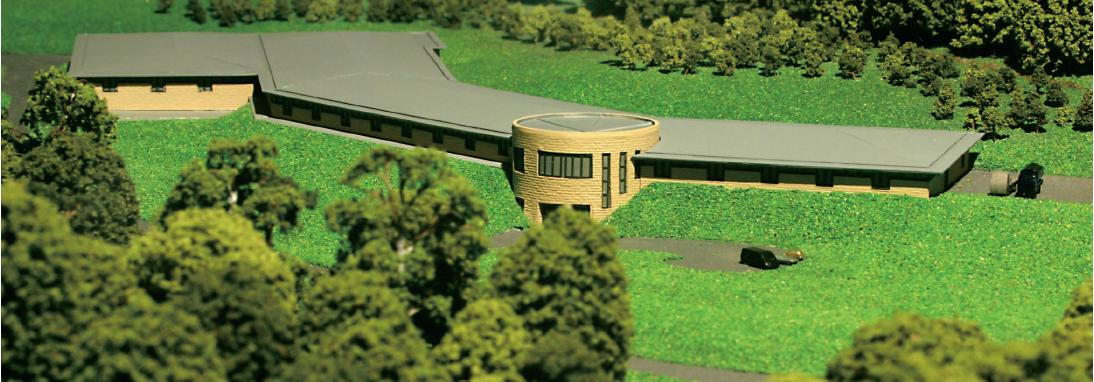
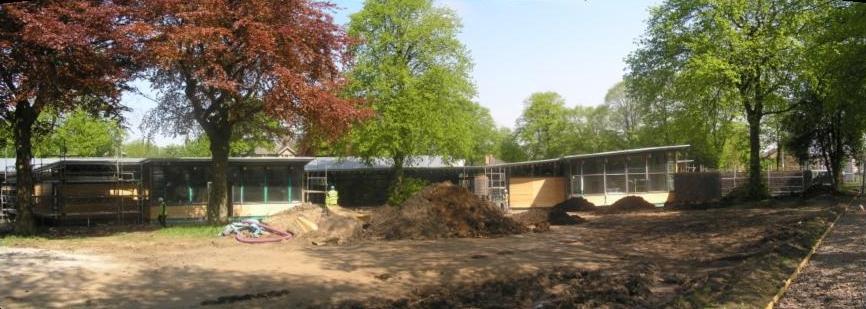
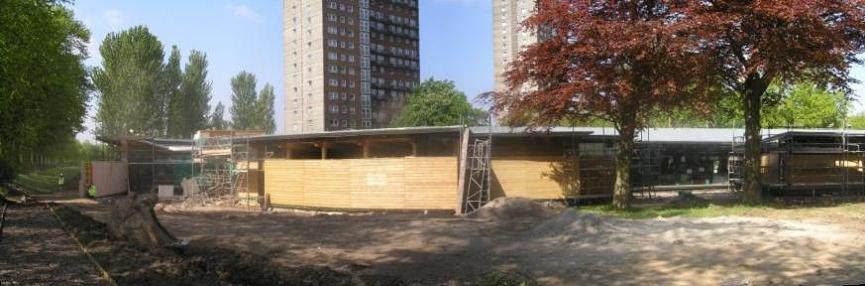
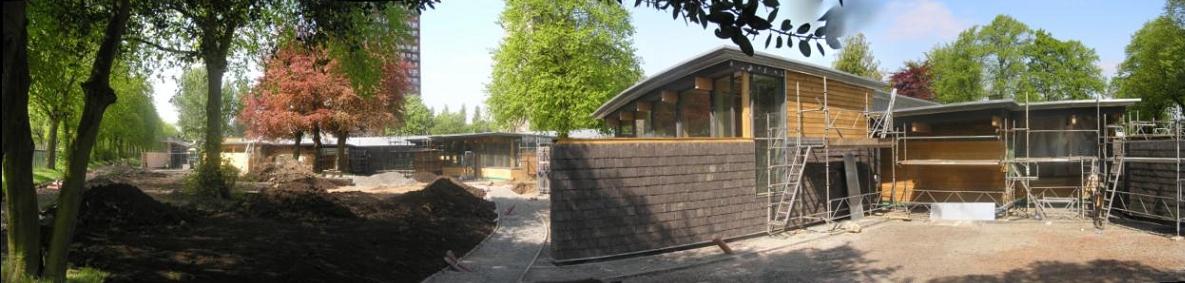
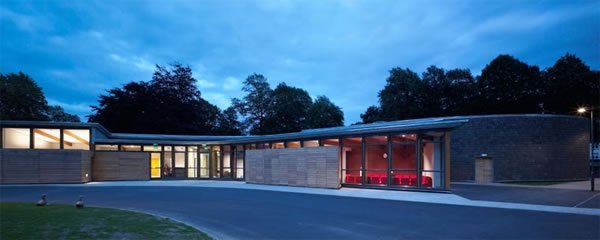
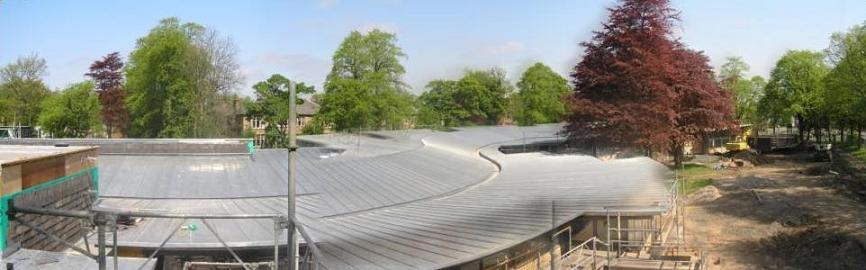
The school is conceived as a self contained garden enviroment of Lime and Beech trees enveloping the organic form of the teaching block as it flows freely across the contours of the land. This blurring of traditional indoor/outdoor boundaries allows sunlight to penetrate classrooms through specially designed screens contributing to an open, less intimidating learning environment. The building eliminates harsh angular forms for a soft sweeping crescent, by hugging the ground level the building is humanised, the stress of stairs and lifts are eliminated and teaching environments are brought closer to nature.
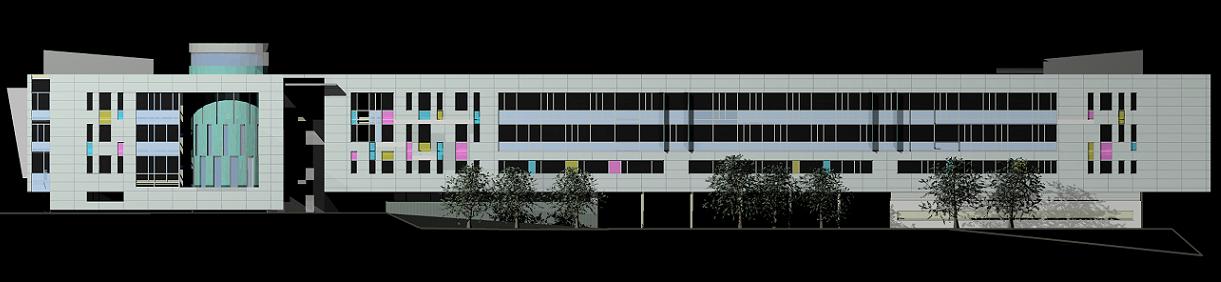
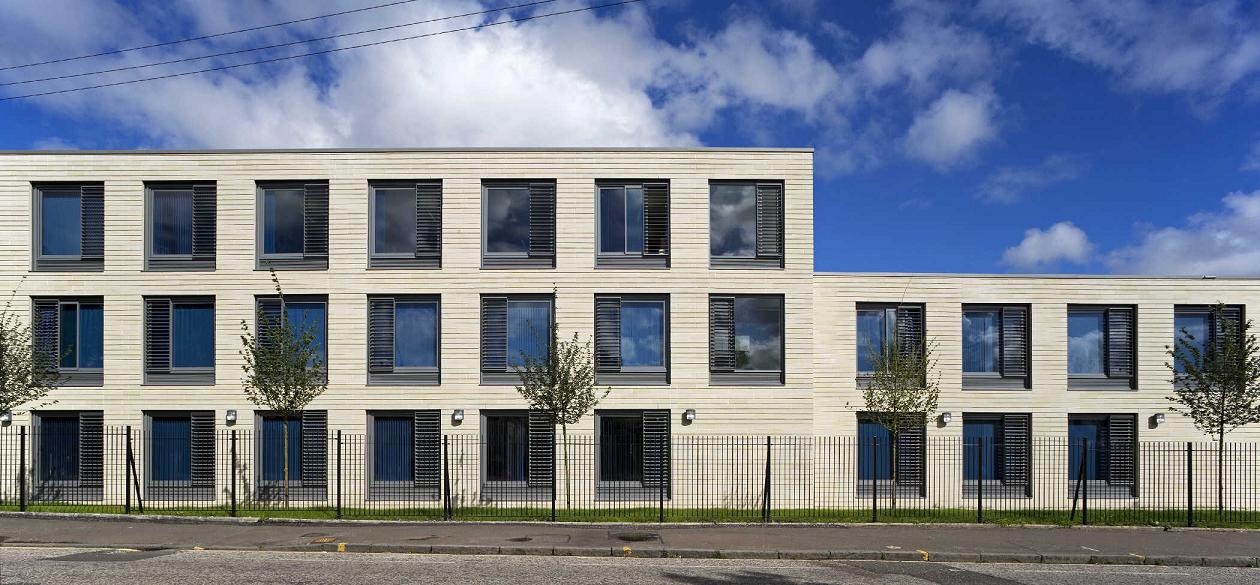
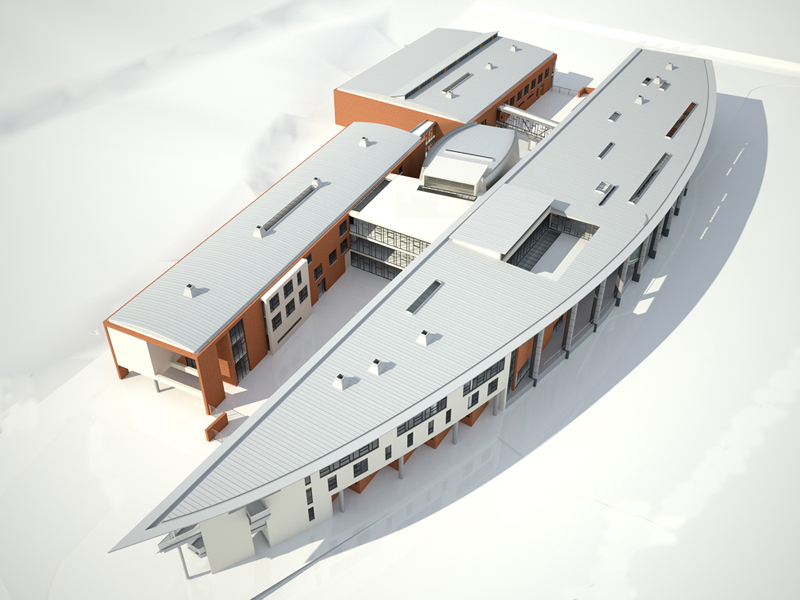
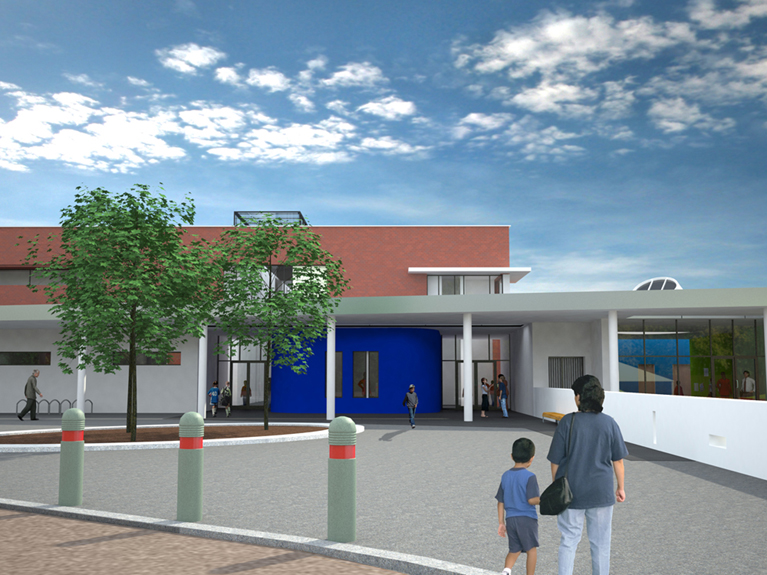
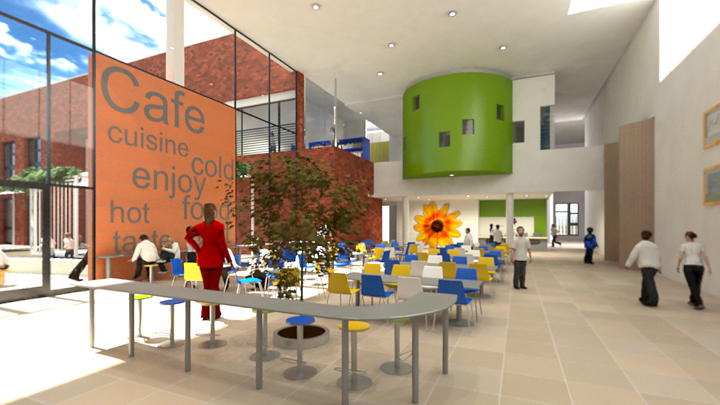
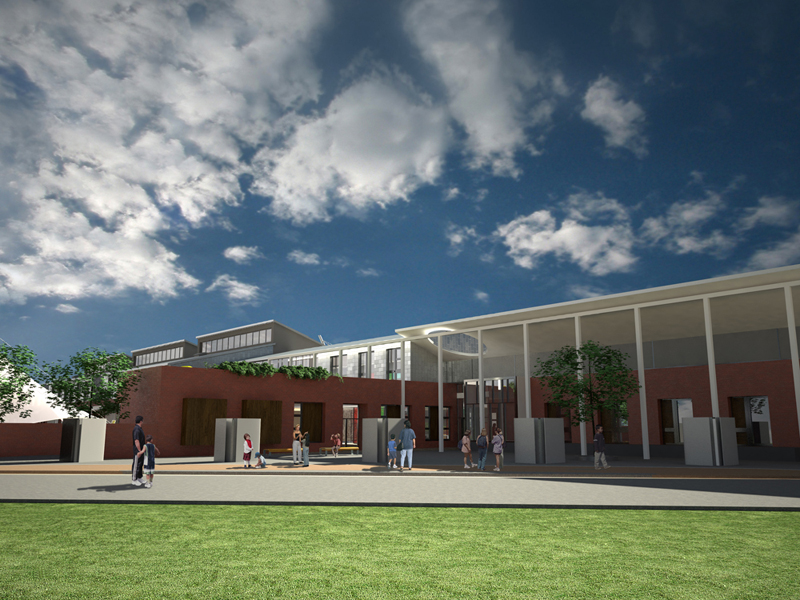
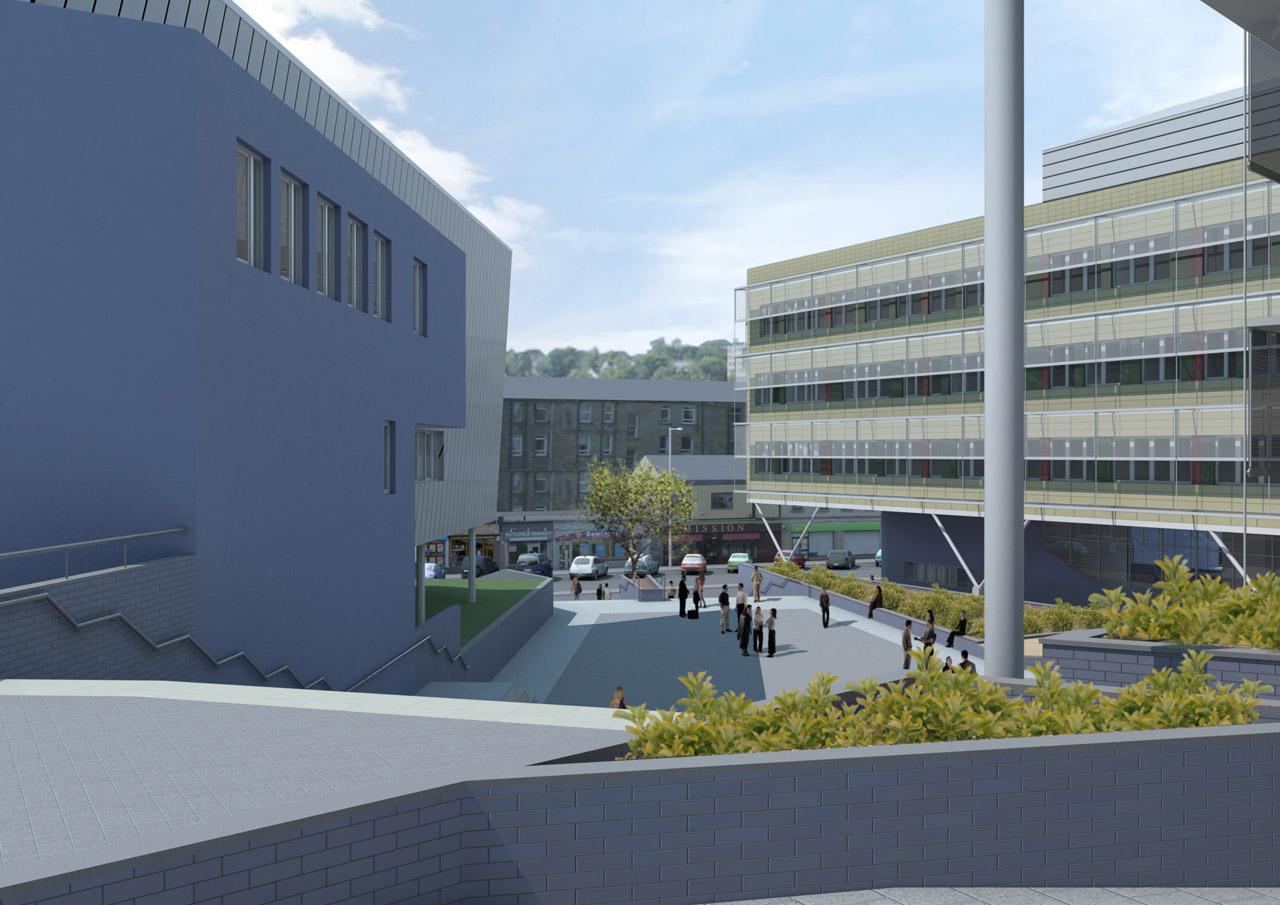
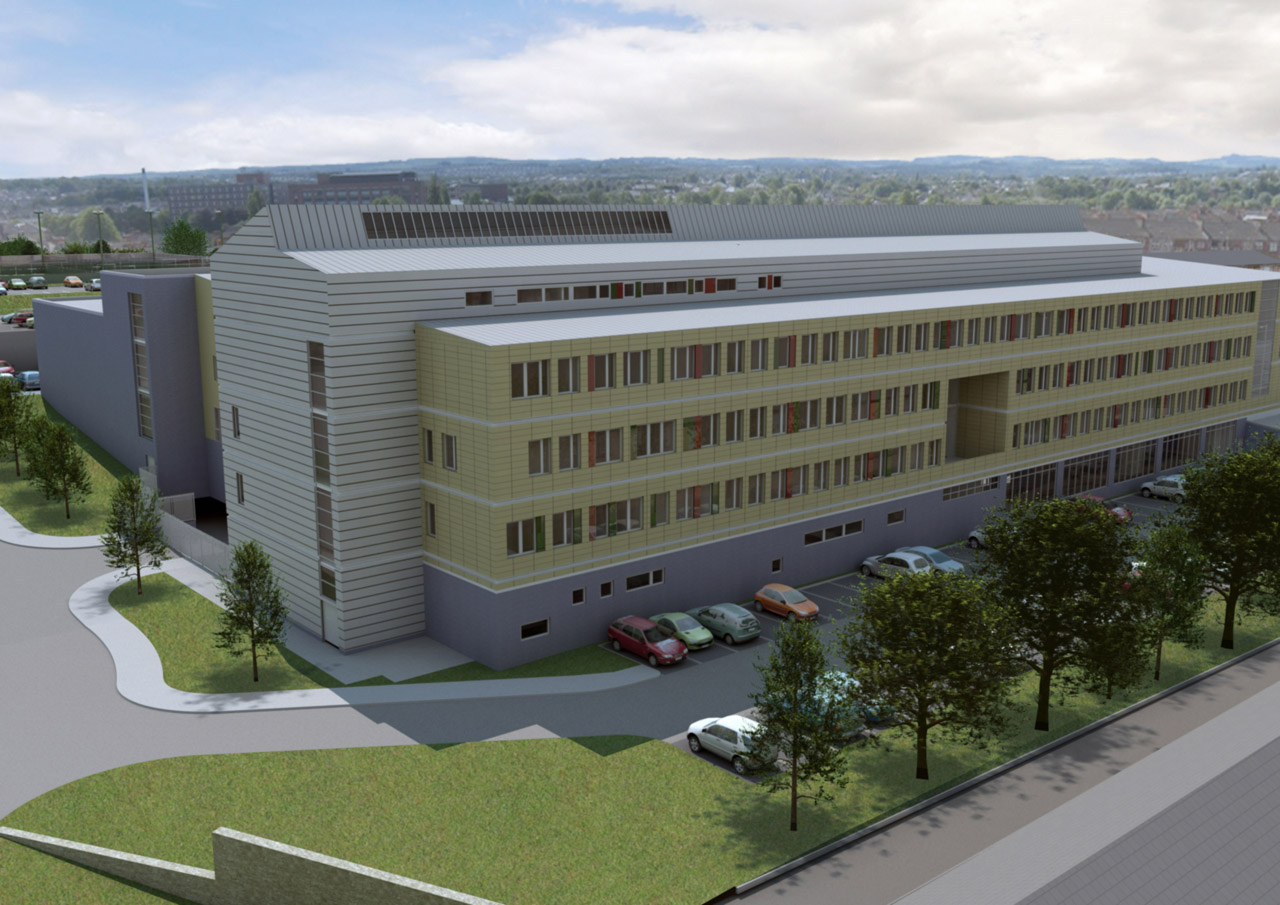
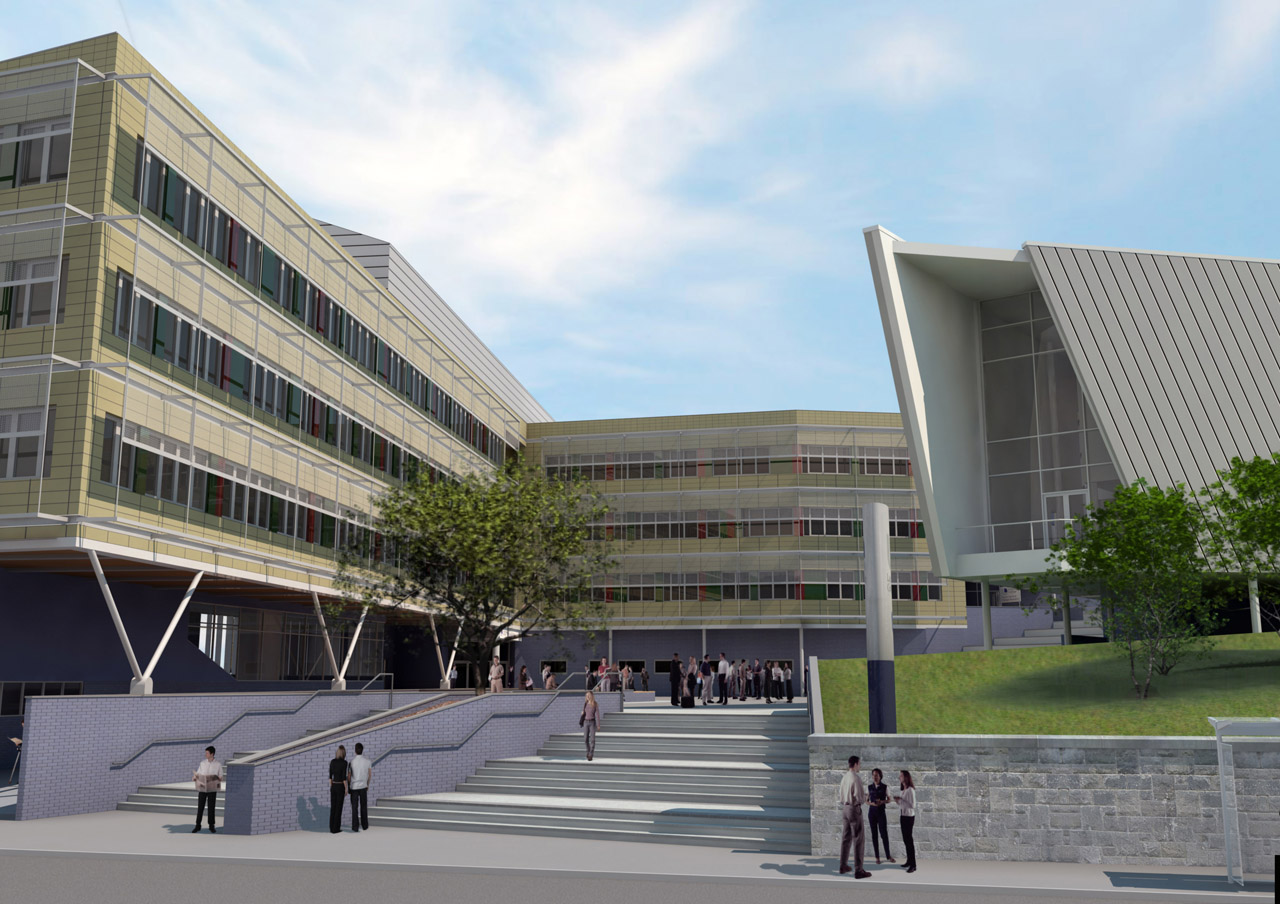
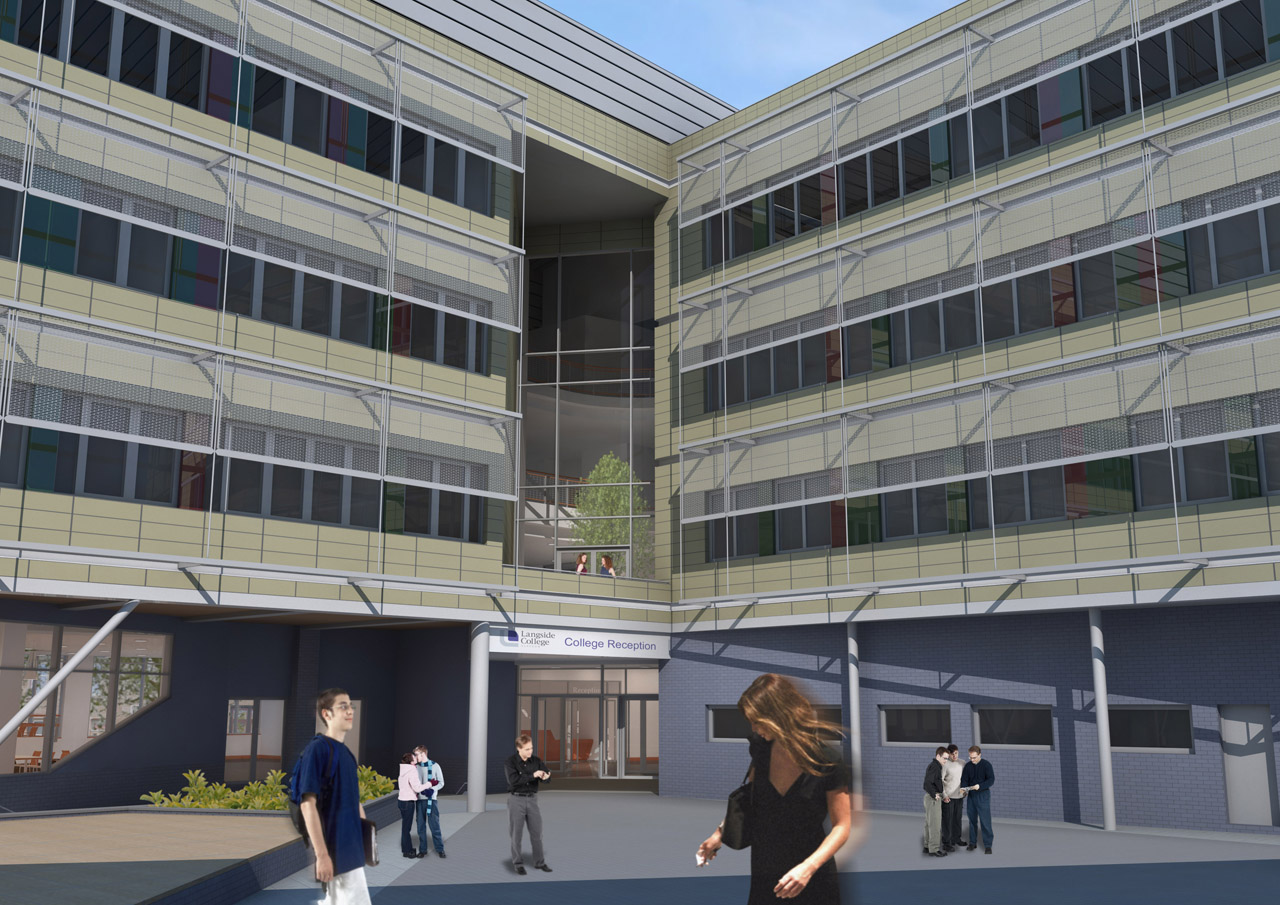
A design and build contract is to be signed for a purpose built teaching block, sports hall, music and drama building and nursery for Langside College. Public access to Mount Florida railway station is enhanced by new courtyards between buildings with existing structures demolished between construction phases. the site neighbours an under construction Victoria ACAD unit.
Opinion
An undoubted enhancement of accommodation and facility is tempered by a muted palette of yellow tiling that does not exhibit the playfulness of character evident in the superior Clydebank College. An apparent steel mesh screening device is employed presumably for privacy aka 236 Clyde St but doesn't aid the creation of a welcoming environment, nor does the build engage with the important Battlefield Rd being segregated by landscaping and surface parking whilst a spartan brick finish to ground floor levels does not invite entry. Sport and Arts halls to the rear are utilitarian in appearance with extensive blue render though helping to reflect light and colour are unlikely to age gracefully. Public spaces are more successful in opening the site up to pedestrain activity and increasing the attractiveness of Mount Florida Station.
New practice, rehearsal rooms and office space will be housed within the new build extension complimenting a new conservatory entrance, box office and restaurant.
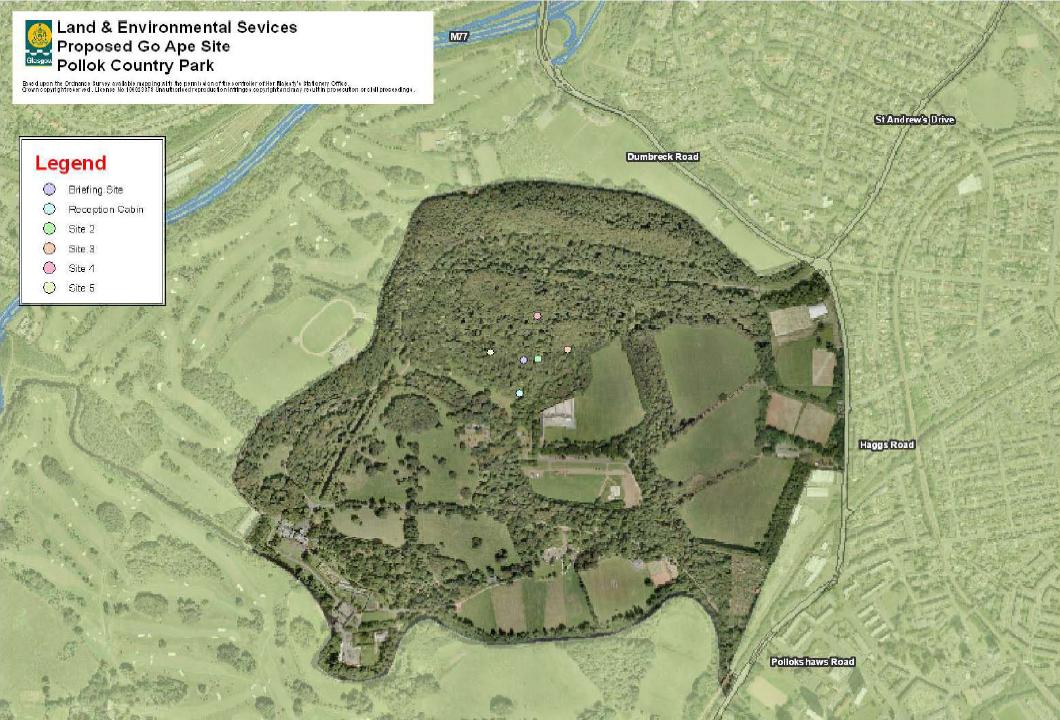
Proposals to erect a treetop adventure course within Pollok Park have ellicited a boisterous reception from a section of local residents. The snappily titled Go Ape! having been apparently interpreted as a literal clarion call to action by protesters ironically subjecting the woods in question to the prophecied crowds and commotion with not a death slide in sight. Opposition crystalises around a core of protestor who perceives the proposal as a gross violation of the principle of public parkland and will brook no argument to the contrary. Subsequent justification for this stance revolves around secondary concerns pertaining to litter, traffic, crowds and commercialisation commonly associated with an enterprise of this type.
Countervailing argument adopts reversed perspective holding such "problems", if encountered, as symptomatic of the parks success against what is at present an underutilised resource, with Go Ape's founder at pains to stress these issues would be properly managed and addressed. But such flexibility is not reflected within an opposition where there remains fundamental disconnect and entrenched distrust. Bad publicity is no publicity and GO Ape! are presumably happy to ride out the stushie in anticipation of eager summer crowds of the bemused.
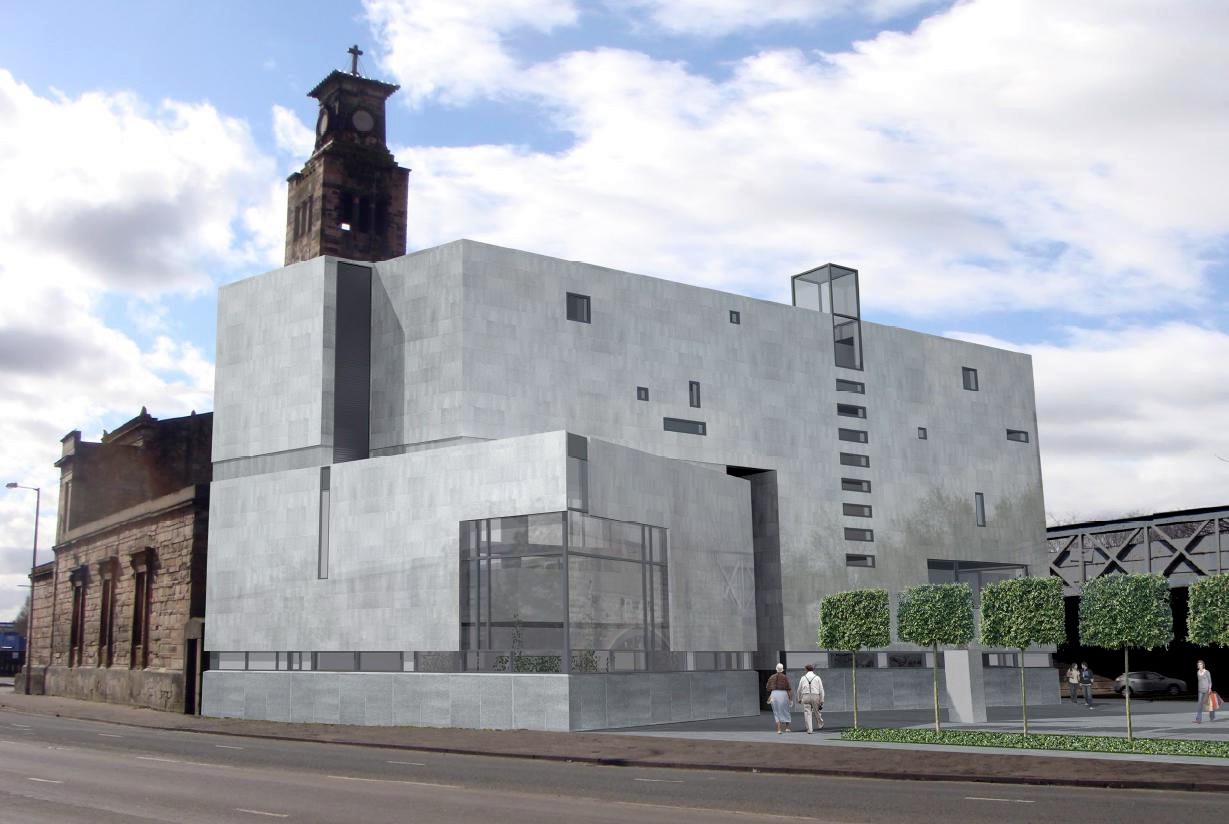
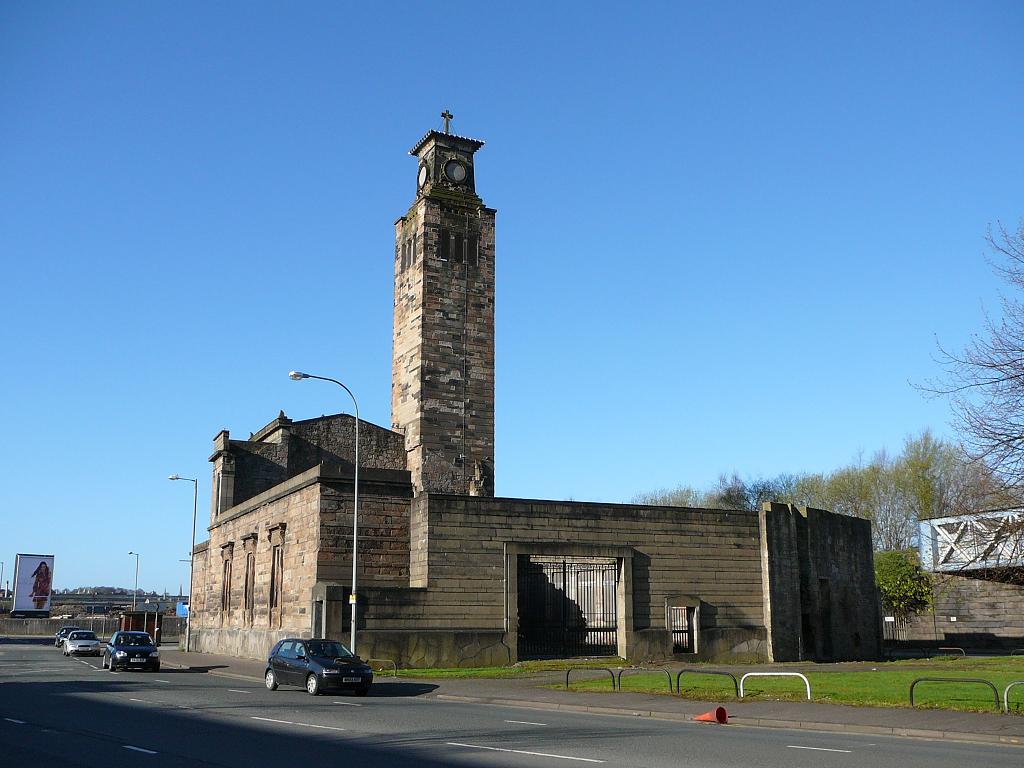
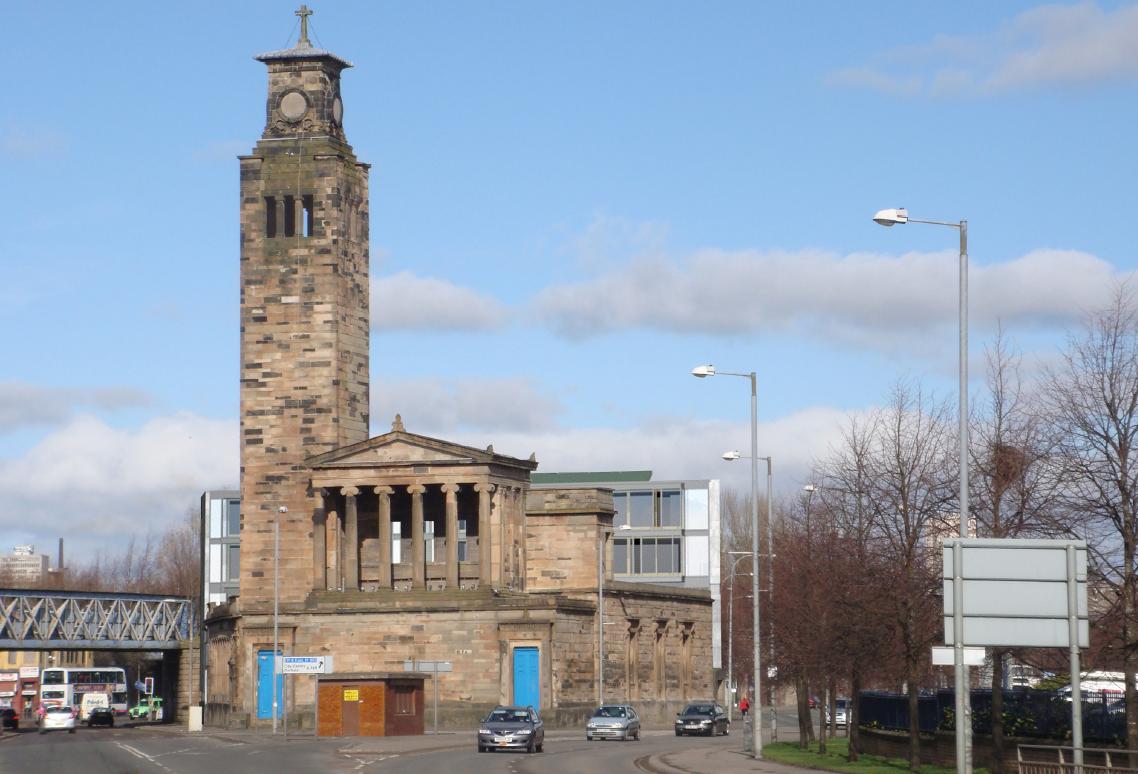
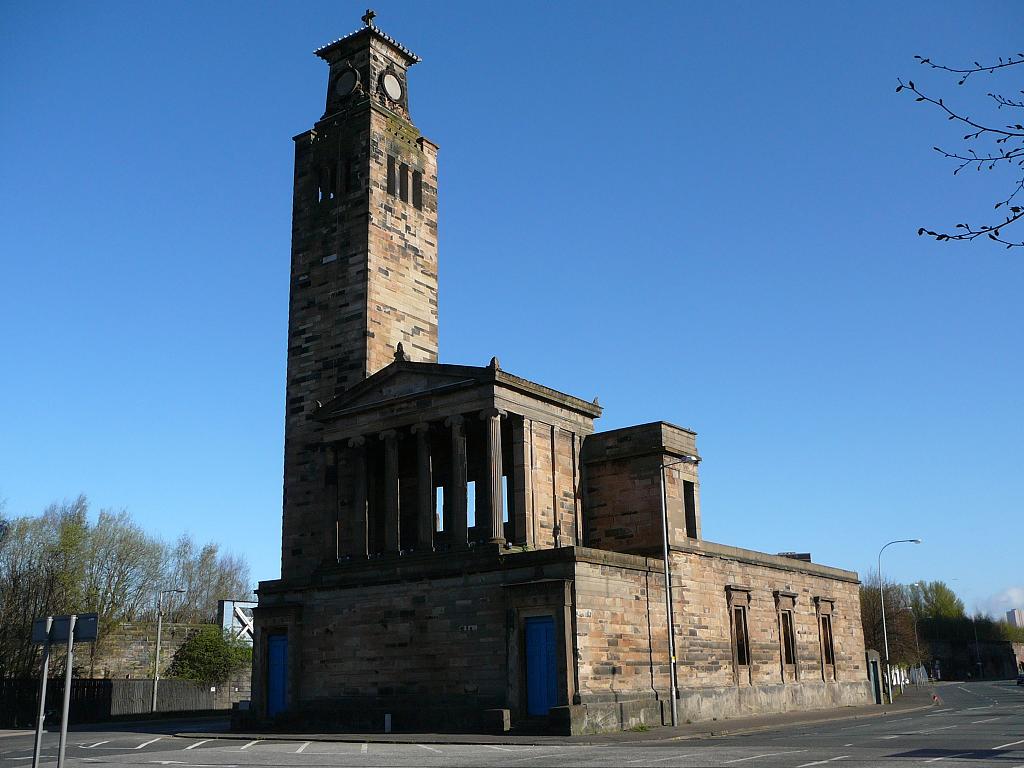
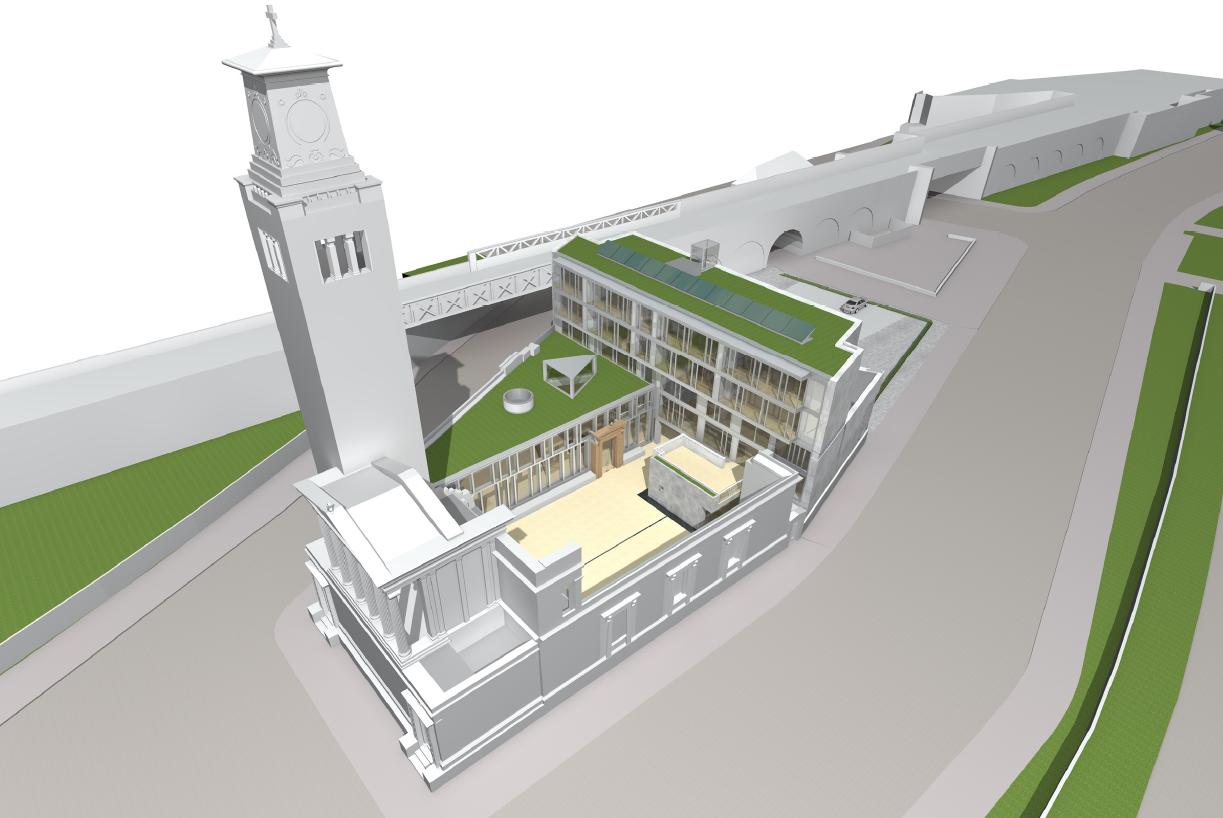
Alexander 'Greek' Thomson has long been overshadowed by the cult of Mackintosh, however with a recent hat trick of proposals, that may be about to change. Hot on the heels of the Egyptian Halls and St Vincent Street Church comeintriguing plans to transform the crumbling A listed ruin into a custodian of Thomson's work, an archive to better communicate what was special about his contribution to the city. This is envisaged to take shape in similar fashion to Le Corbusier's Villa La Roche and Centro Internazionale di Studi di Architettura Andrea Palladio, Vicenza.
By reaching out to a still somewhat moribund swathe of city, despite the intervention of New Gorbals which itself is walled off from neighbours, it is hoped the development can be a catalyst not only for Thomson but Glasgow as a whole, establishing a meaningful partnership with the Mackintosh Society for cross collaboration, perhaps even realising a long held ambition of bringing tourist buses south of the Clyde. Early on it was recognised that a gallery alone wouldn't be sufficient to attract large numbers of people, different uses were needed to enrich the space with meeting, rooms, studios, apartments and museum.
Entrance to the building begins at a public space, defined by granite setts and a statue of Thomson strategically sited to greet visitors. A tall narrow slot on axis with the tower leads visitors uder the new building and into a central courtyard lined with planting derived from classical decoration. The courtyard acts as a haven from nearby noise and pollution and is the main source of natural ventilation. Within the courtyard a stone doorway rescued by the Thomson Society from a warehouse on Watson Street leads into the Thomson Gallery and Study Centre.
Most dramatically the site will witness the construction of five storey new build accommodation on land adjoining the partial church gable, this satisfies the dual aim of recalling the scale of original tenements whilst reinstating a northern frontage with ten serviced flats. A minimalist facade of polished silver grey granite to the north uses glazing sparingly to create a smooth geometric sheen that will reflect the light and weather. South facing conservatories to the apartments view the tower. Mark Baines describes: "Thomson's buildings are all monolithic, even timber detail is made to look like masonry, so we didn't want a mix of materials but something that was sharp, precise and machine cut." Sedum roofs with solar panels will be incorporated with built in roof level lanterns and floor to ceiling glazing drawing in light.
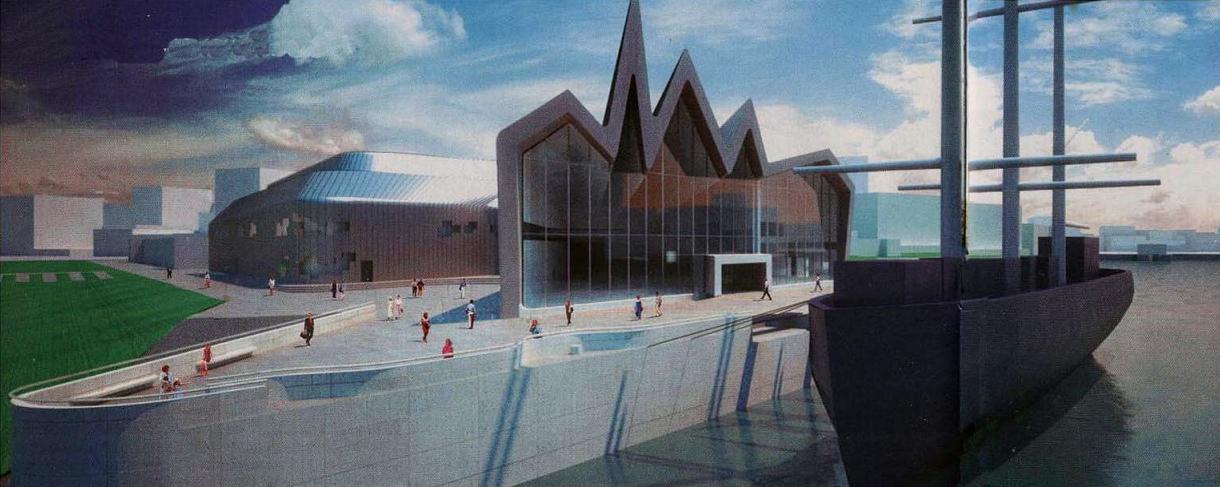
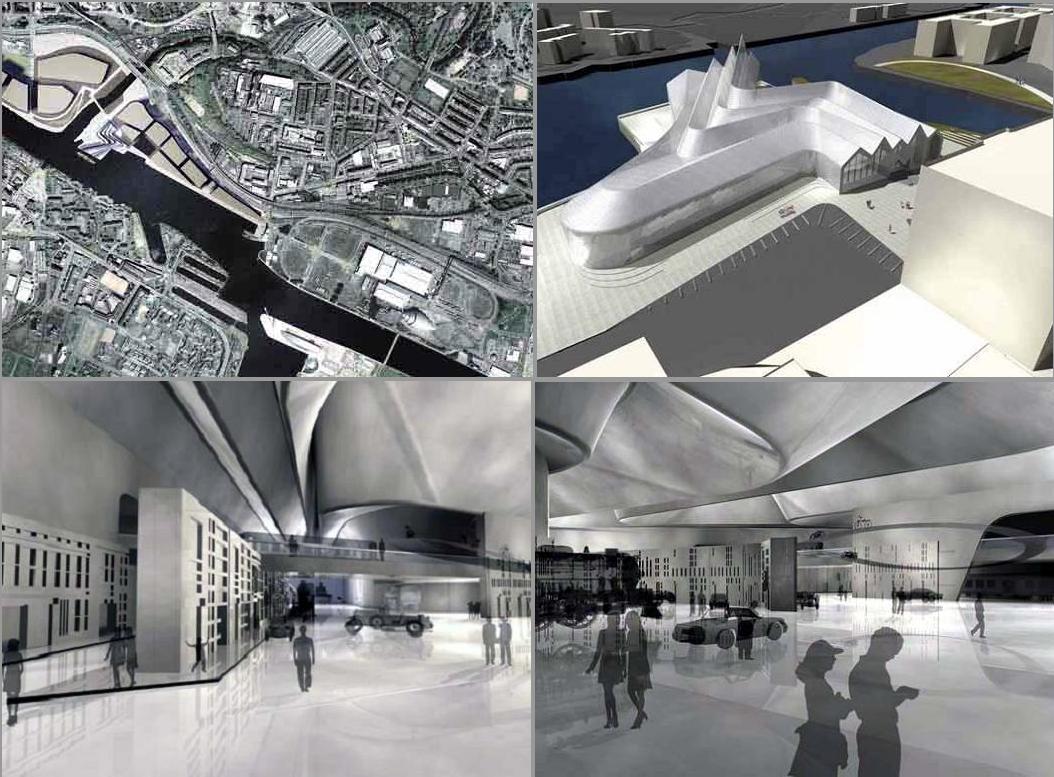
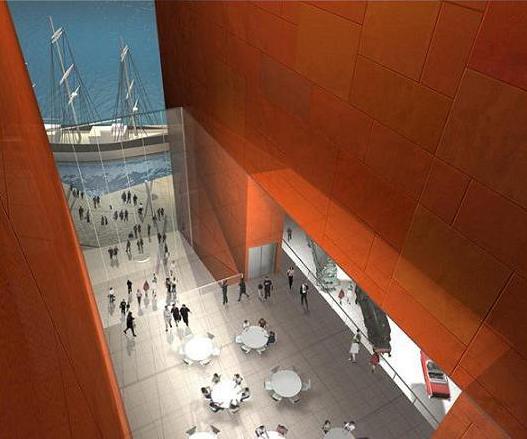
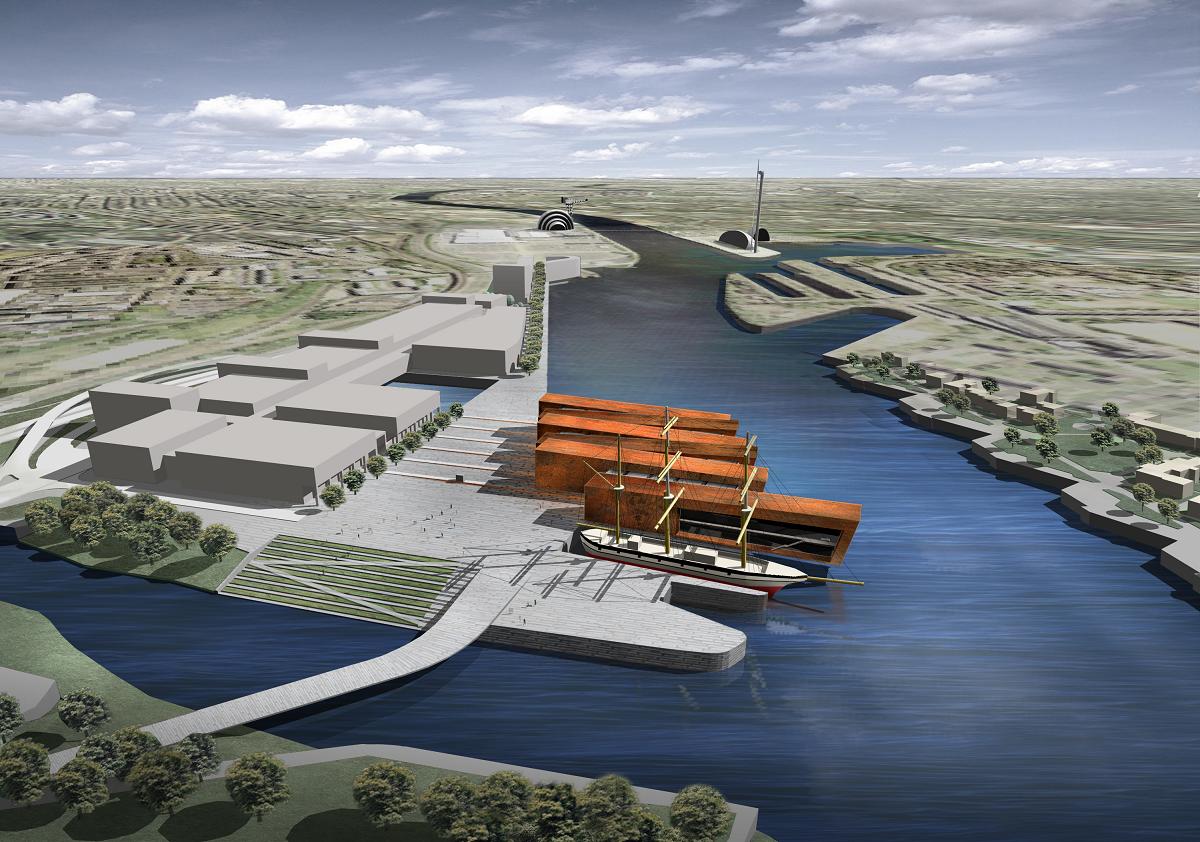
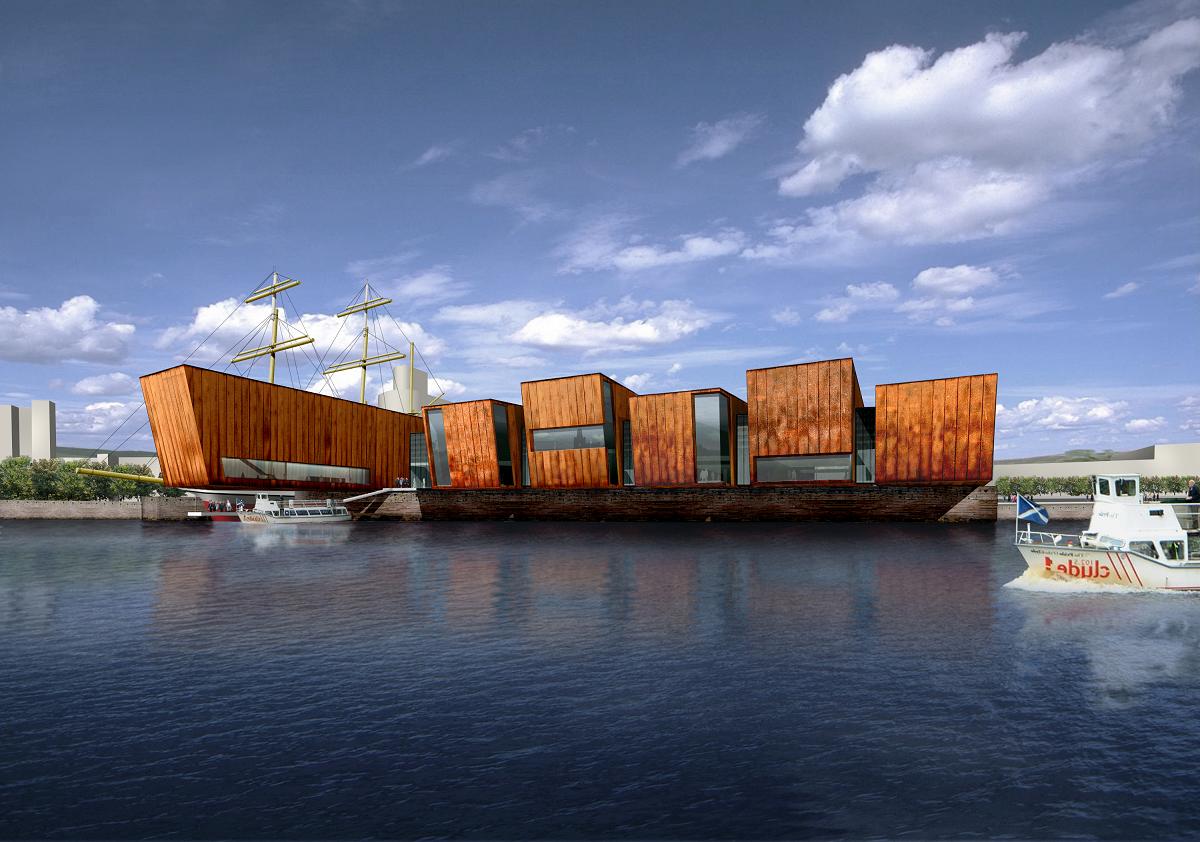
Culture and Sport services are being transferred from council control to a charitable company providing opportunity to plan for the long term and open alternative funding sources. Included within this is the proposed new transport museum which will form a link between the Clyde and city via a tunnel like shed which will be open at both ends rising from 16m height at the entrance to 24m at the Clyde. The river facing end will look onto a landscaped courtyard via an expansive glass facade. Exhibits will be connected along a path linking the "city" and "river" ends of the building, the main central space will be column free and served by natural light, support services and permanent exhibits are enclosed in the outer spaces. A ring of varying stone slabs will create a perimeter path sheltered by trees. Preceding Zaha's win were entries from Gareth Hoskinsand PRSA shown right.
Opinion
The much lauded Zaha Hadid's first foray into Glasgow does not impress, the glass frontage does take best advantage of a riverfront setting despite a lumpen entrance way and is the only point of view where the abstract roof profile takes effect. Although this doesn't mask what is a simple warehouse albeit highly specced and with GCC cost cutting it likely won't. Shaving a few million for hard pressed council tax payers is certainly laudible but in a scheme with an already over inflated budget you have to question whether starting again might represent better value as happened with the Tradeston Bridge.
Location - Cuningar Loop, between Dalmarnock and Rutherglen
Status - Vision
Start date -
Completion date - 2012
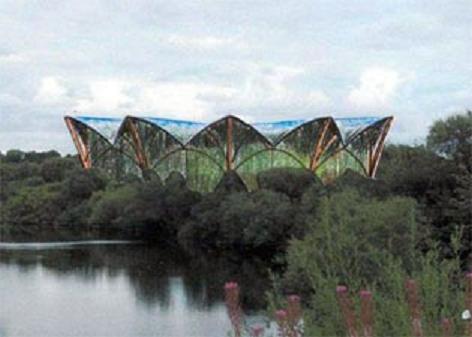
A zoological attraction looks set to return to Glasgow in spectacular fashion with construction of a 4 acre climate-controlled biodome east of the Commonwealth Games Village at the heart of the Clyde Gateway regeneration area. The structure will house a tropical habitat of rainforest and plant life populated by indigenous mammals and exotic birds. To achieve this feat the latest environmental control technology is utilised to fully customise light, temperature, humidity and shade providing capability to turn day into night. Conference suites will enjoy panoramic aspect across the jungle and visitors will be able to explore the environment along a series of paths and elevated walkways.
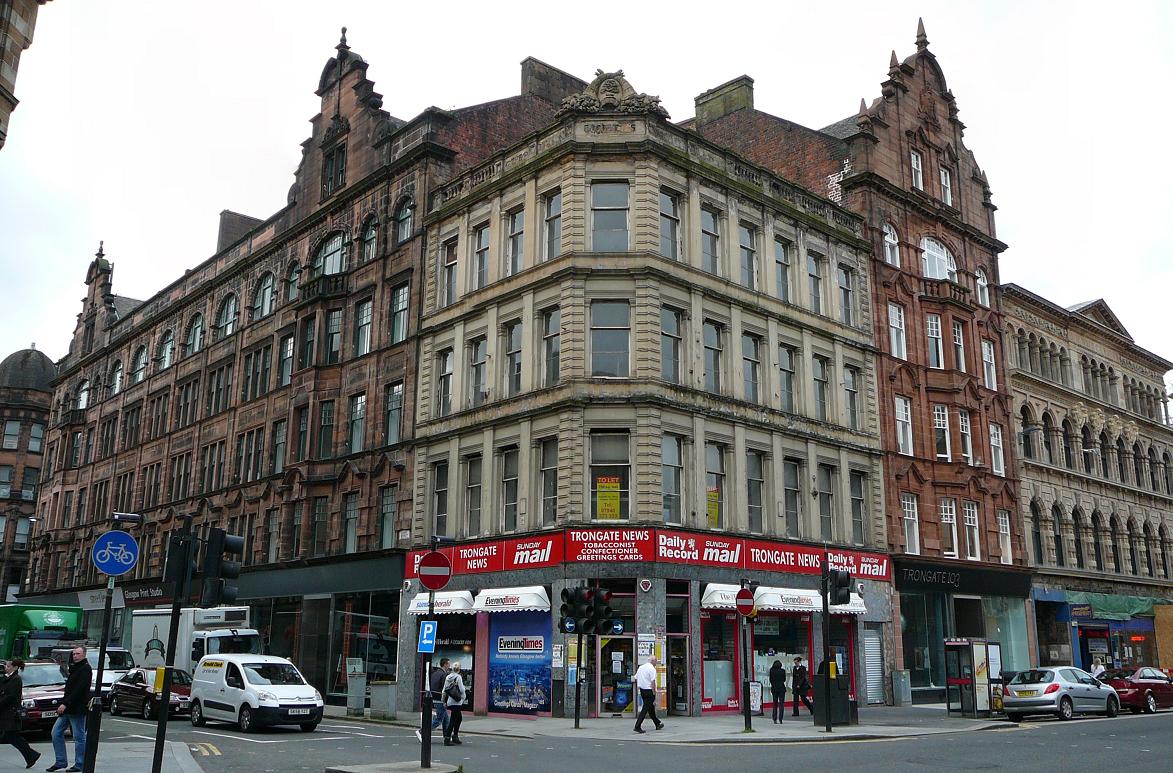
Trongate 103 aims to provide a one stop shop for education, display and sale of work by eight visual, tactile and performance artists who now call the centre home.The space is intended as a “functional backdrop” for people to use and adopts numerous touches such as high level windows to maximise hanging space whilst still permitting natural light and promote “social” functions by permitting noise. The Centre complements ongoing work at the adjacent Britannia Panopticon theatre which has recently had its façade restored, however no overt attempt has been made to integrate the two properties. Now is perhaps an inauspicious time for a launch with the Lighthouse’s much publicised collapse into administration but scheme backers point out that the two venues remits are entirely distinct and that tenants here are going concerns, each having operated a successful business plan for years.
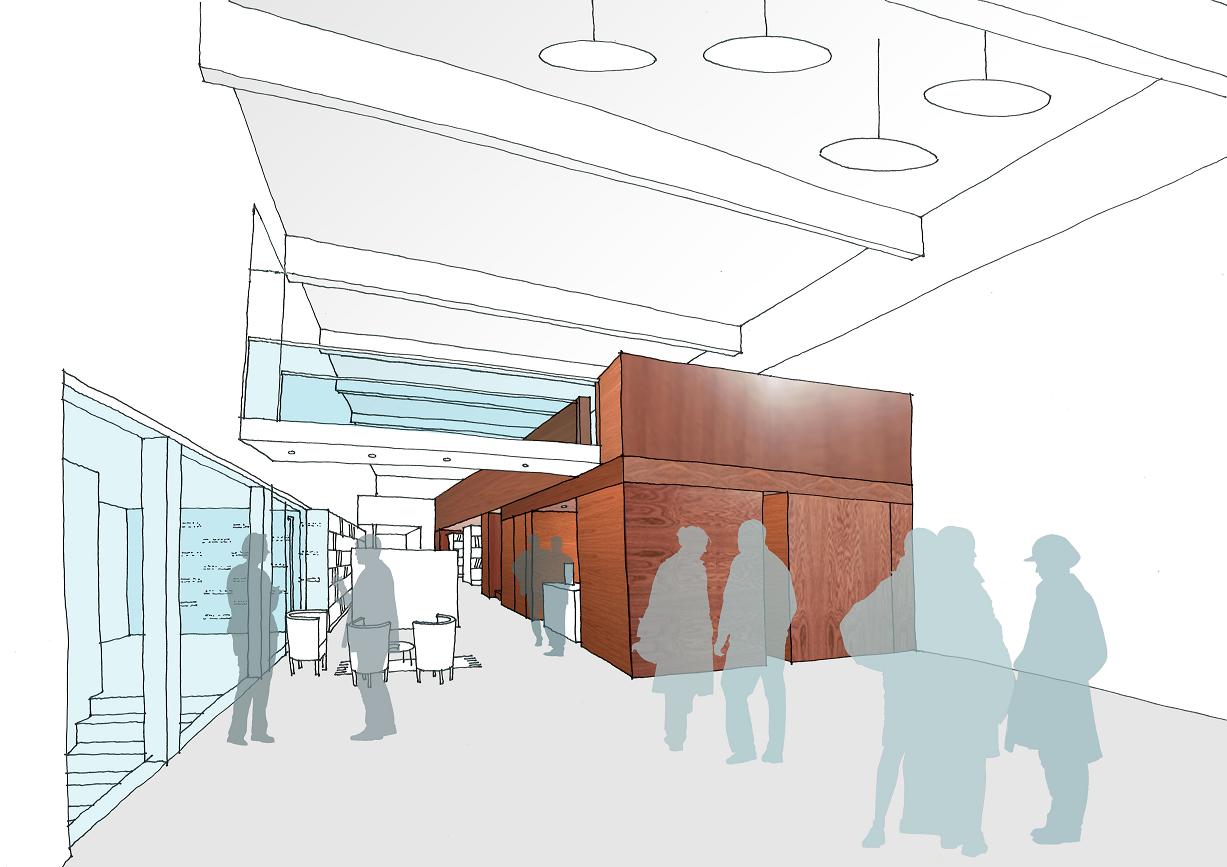
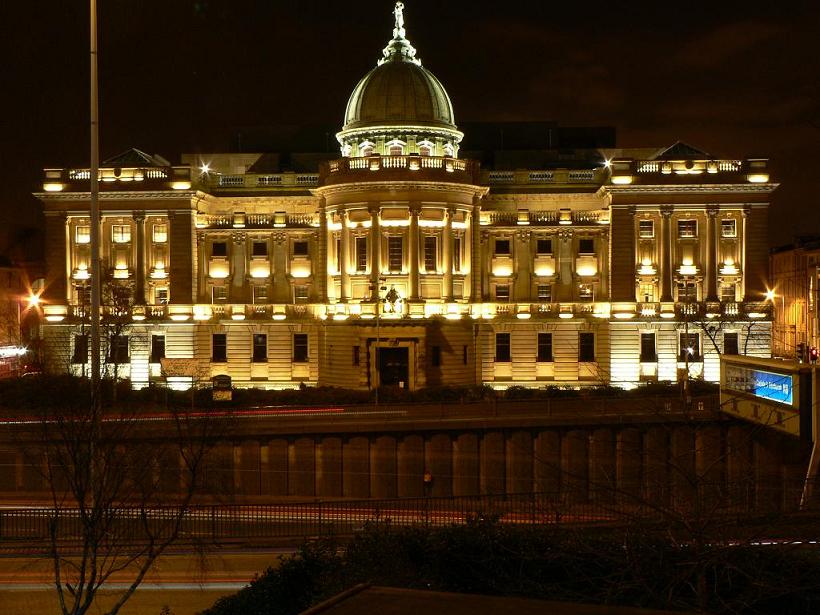
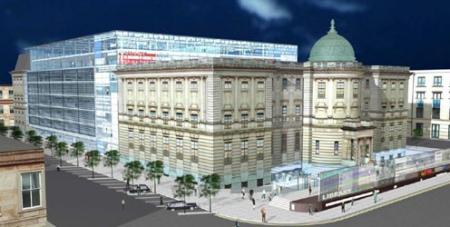
An archive facility, office accommodation and new mezzanine floor for learning and meeting will accomodate a new Women's Library to be built within the body of the Mitchell. An earlier glazed extension from RMJM having been downsized to an internal refurbishment catering for improved access and permeability. Andrew Carnegie's philanthropy makes for an impressive space adjacent to Cafe India at the foot of the Elmbank tower vision.
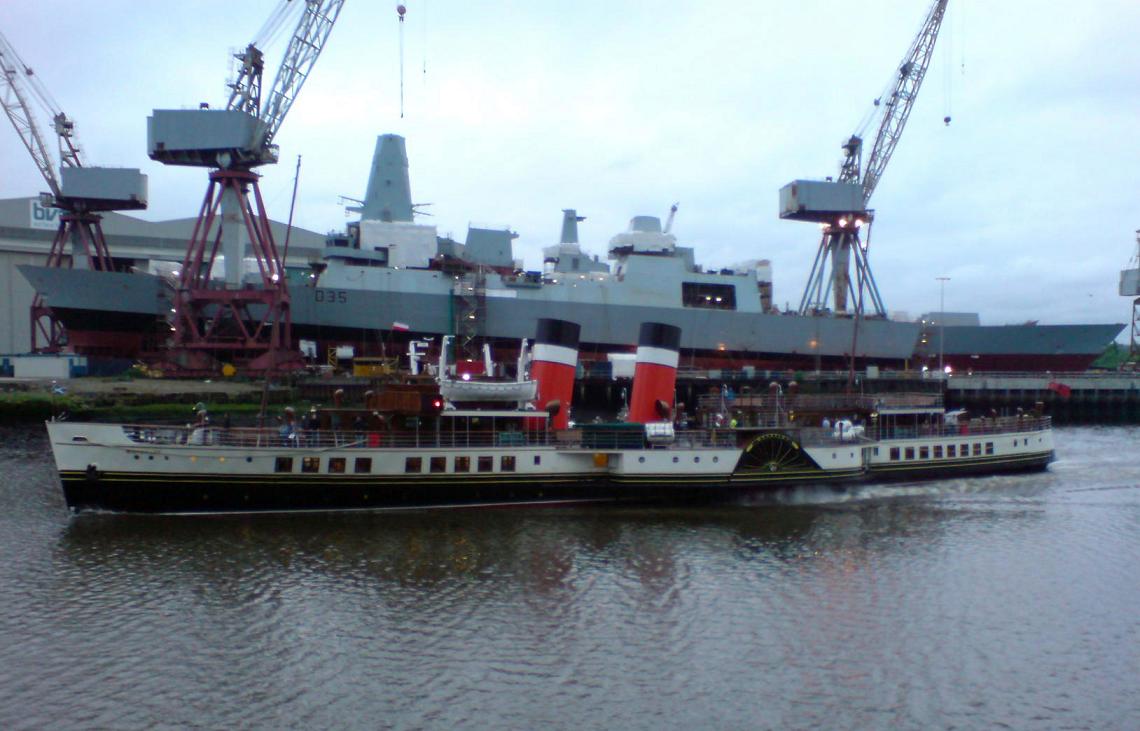
Carrier Vessel Future (CVF) : Published 12/07/2008
Prime Minister Gordon Brown announced 4 July that HMS Queen Elizabeth & HMS Prince of Wales are to be commissioned securing the future of dockyards across Britain, amongst them BVT Govan & Scotstoun. Flagships of the Strategic Defence Review the carriers are the latest phase of a program that sees the fleet reduced in absolute terms with a refocussing on technology and force projection. The carriers will be escorted by a compliment of 6 Type 45 Destroyers and up to 7 Astute class submarines, each vessel capable of fielding 36 F-35B Joint Strike Fighters (a strategic partnership between the US and UK militaries).
Twin Queen Elizabeth class vessels will re-establish the United Kingdom on the front tier of naval powers providing an independant expeditionary capacity 2nd only to that of the U.S. In honouring her duty as mature democracy Britain will possess the capability to safeguard national and global security from the manouvres of increasingly ugly emergant regimes.
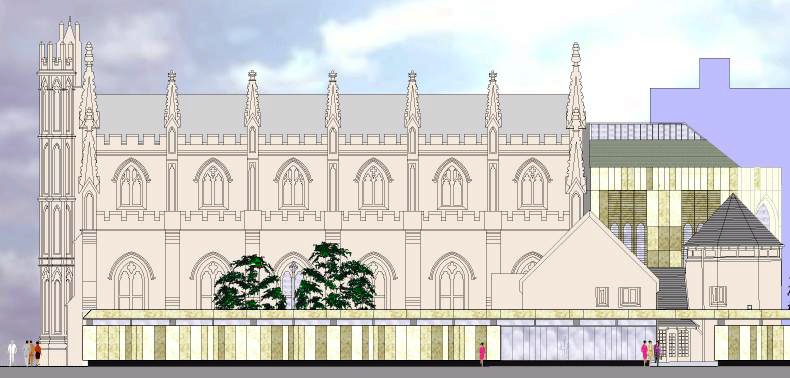
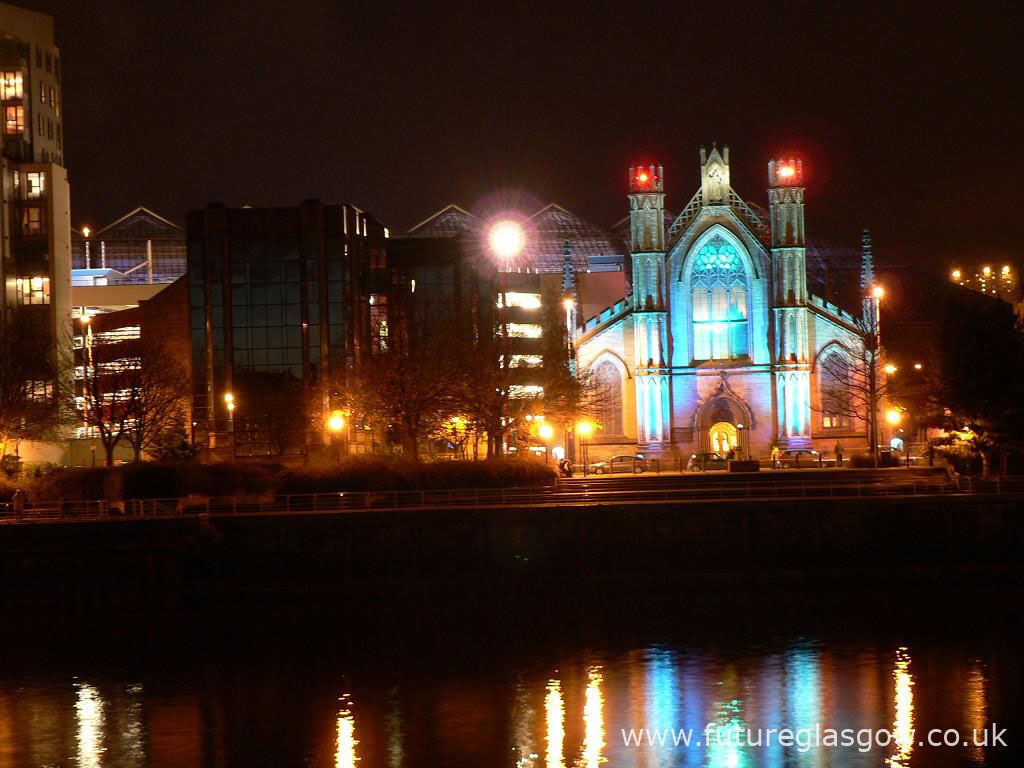
St Andrew's Cathedral will be recipient to a phased treatment of renovations and extensions, comprising a new cloister garden and apse. Peter Howson has been commissioned to provide artwork as canvas for a new shrine, reputed to illustrate upwards of 600 individual figures.
Materials - Dura Limestone with glass reinforced plastic
Location - Albert Dr
Status - Approved
Start date - April 2008
Completion date - October 2009
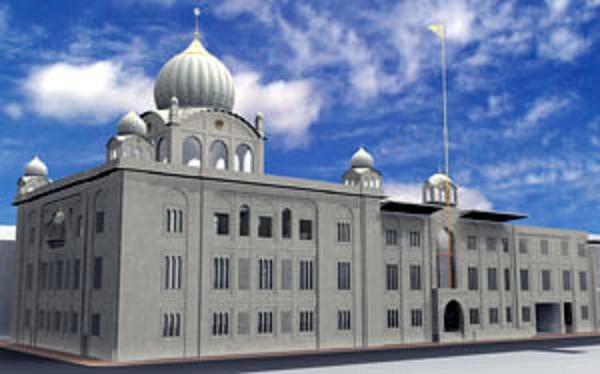
As native religion falls to the advance of rationality it might have been supposed that a fully secular society be a logical inevitability, but this is not universally so. A desire to cling to practices performed by prior generations has manifested itself as a slice of India transplanted in exactitude to Albert Drive. Idiosyncracies particular to this specific flavour of faith include construction of a "bedroom" in which the holy book might repose, trespass upon airspace above this dais is frowned upon necessitating an upper level prayer hall. Passers by oblivious to these esoteric rituals may nonetheless be given cause to glance skyward courtesy a giant orange hexagonal flagpole bearing the Sikh emblem alongside associated dome.
Glasgow City Mission : Published 20/12/07 Official site
Glasgow City Mission are in process of a flit courtesy the god of capitalism. Land for the ministry has been provided free of charge in exchange for an existing property on McAlpine St (the site of 220 Broomielaw). The only costs incurred on the Jesus loving carers will be the expense of adding facilities and systems that do not exist in, or cannot be moved from, their current offices. The block is situated adjacent to the mooted Fraser Suites Serviced Apartments.
Presently dispersed administration and storage units will be combined within the new hub saving on logistical and rental expense. As a shelter for the homeless the new unit provides one to one support, pastoral care, clubs, trips and activities. These will all benefit from a new IT room and café, open plan arts space with kiln and potters wheel, gym, music room and a rooftop garden. In addition a range of catering, educational and medical facilities are provided.
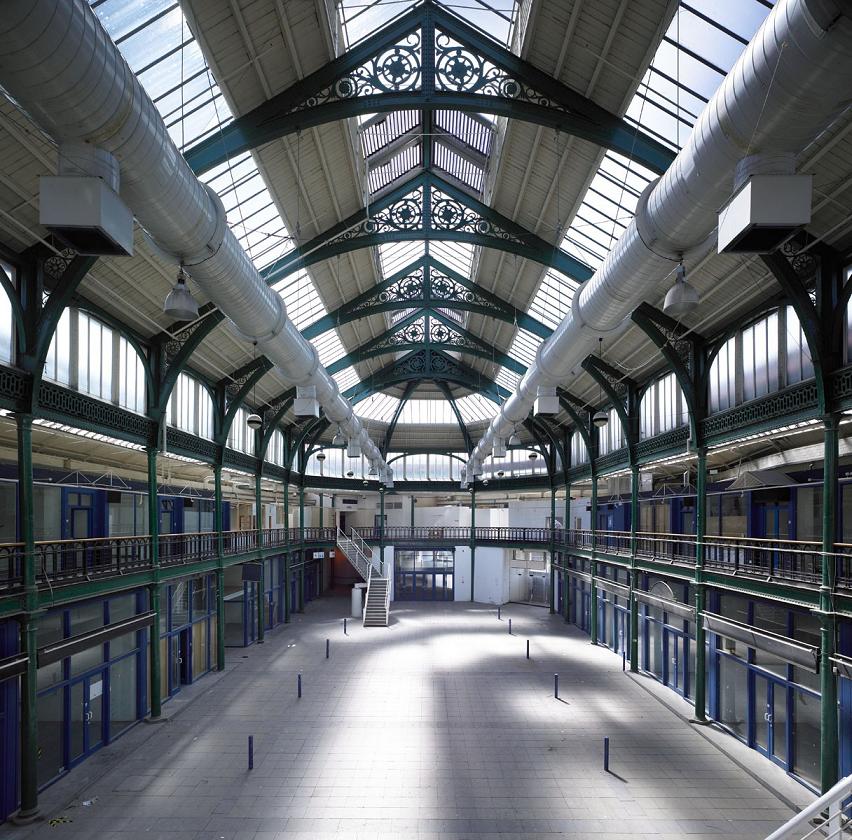
The historic Briggait is to be given a new lease of life with lottery money due to transform the former 19th century fish market into visual artists studios. These will be formed as lightweight timber structures constructed within the shell of the existing 1889 and 1904 halls. Simple raft foundations spread the loads and minimise differential settlements between new and old.
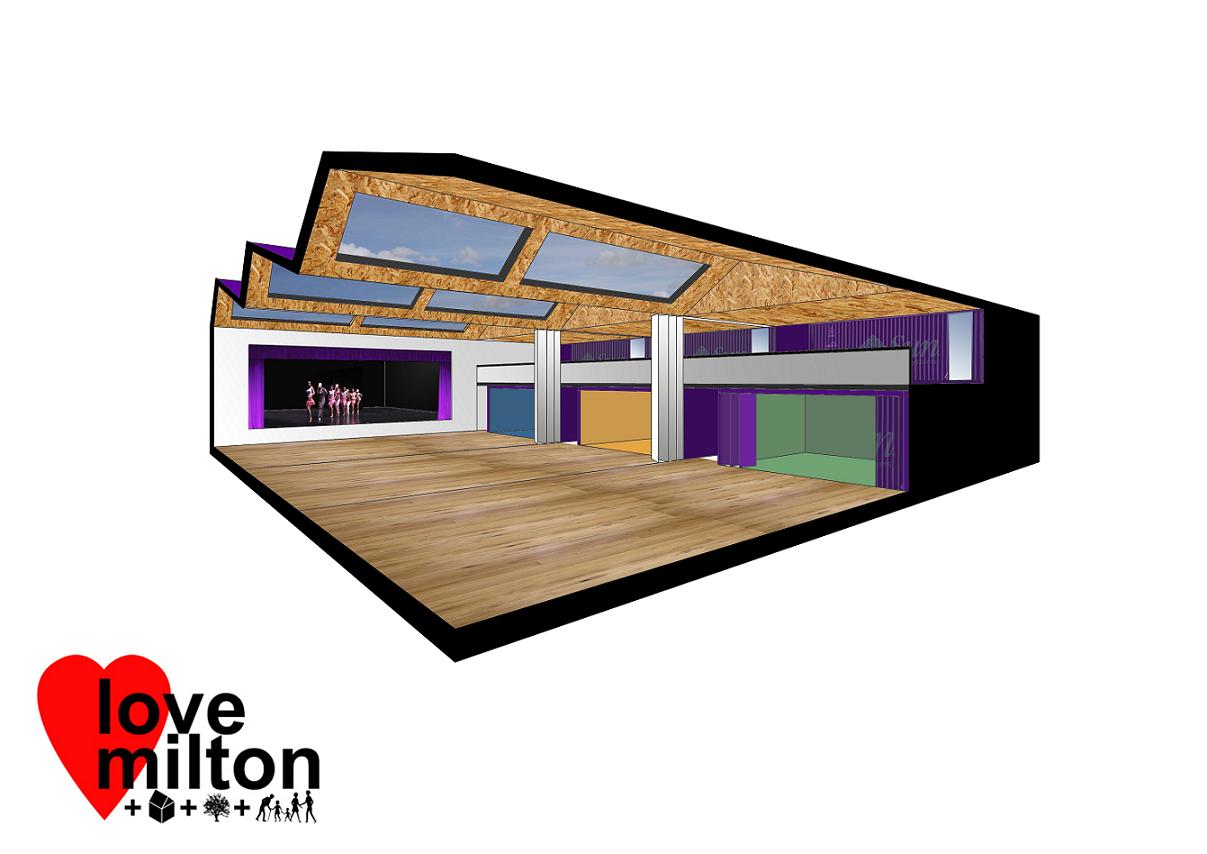
Materials - Beer cans, tyres and shipping containers
Cost - £2m
Location - Milton
Start Date -
Status - Proposed
With the private sector in the doldrums and an indebted public sector braced for swingeing cuts who is going to fill the economic breach? Who can tap into the "drive" so often absent from state driven diktat in areas where the private sector fears to tread?
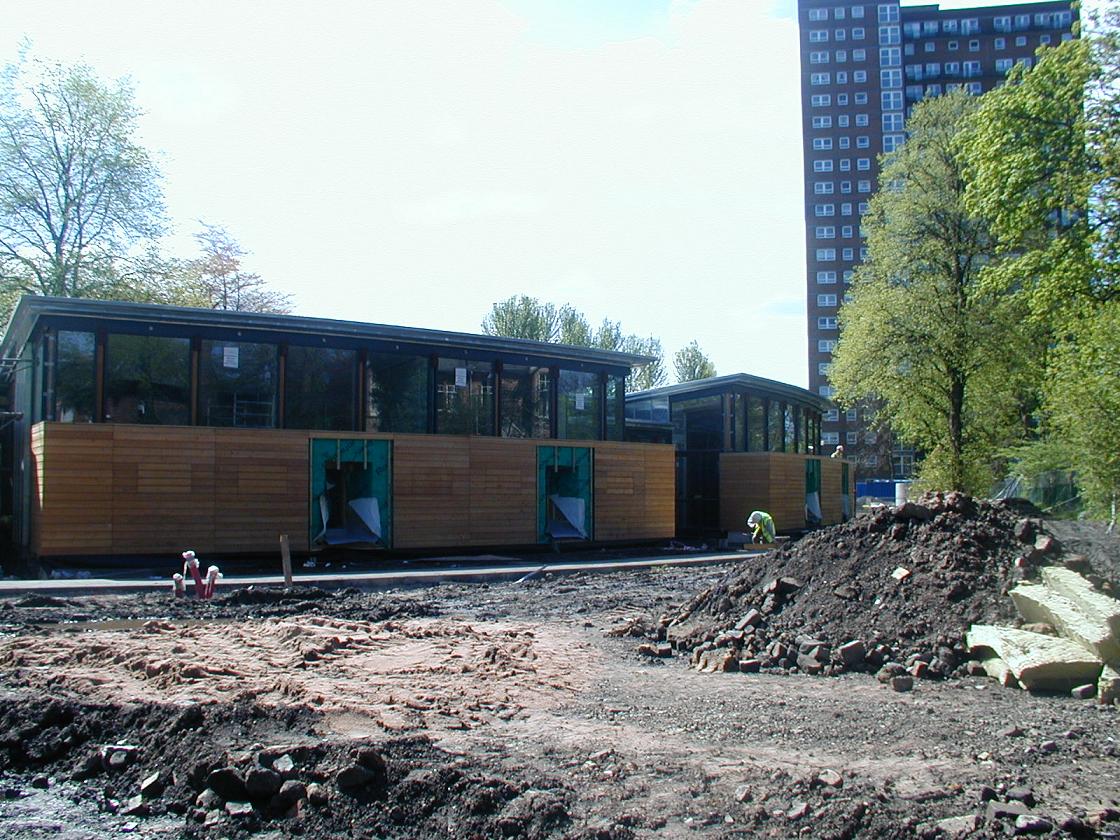
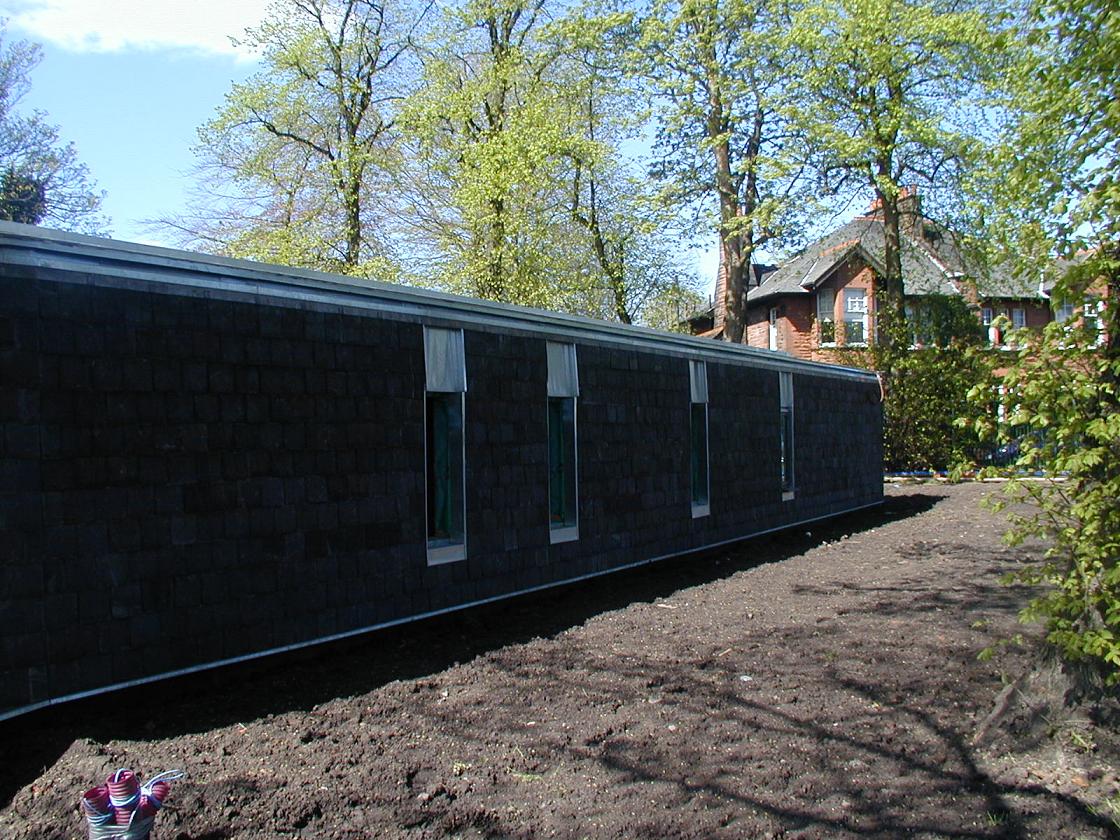
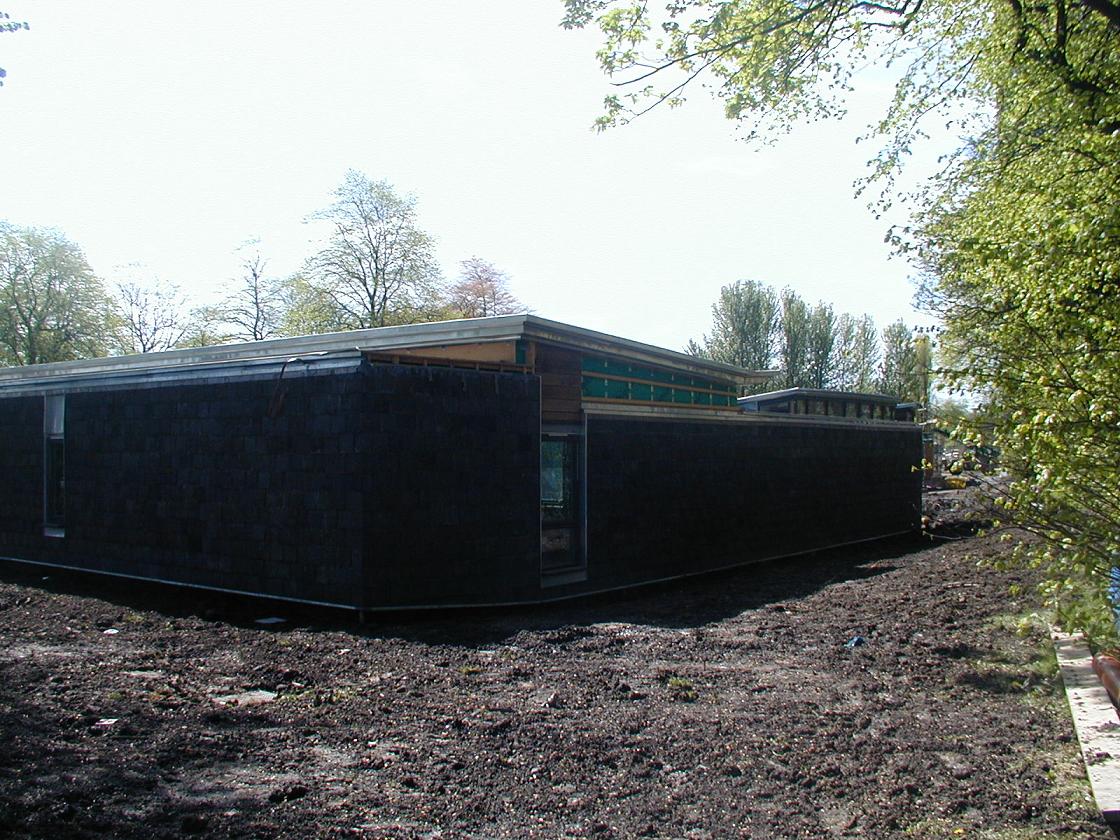
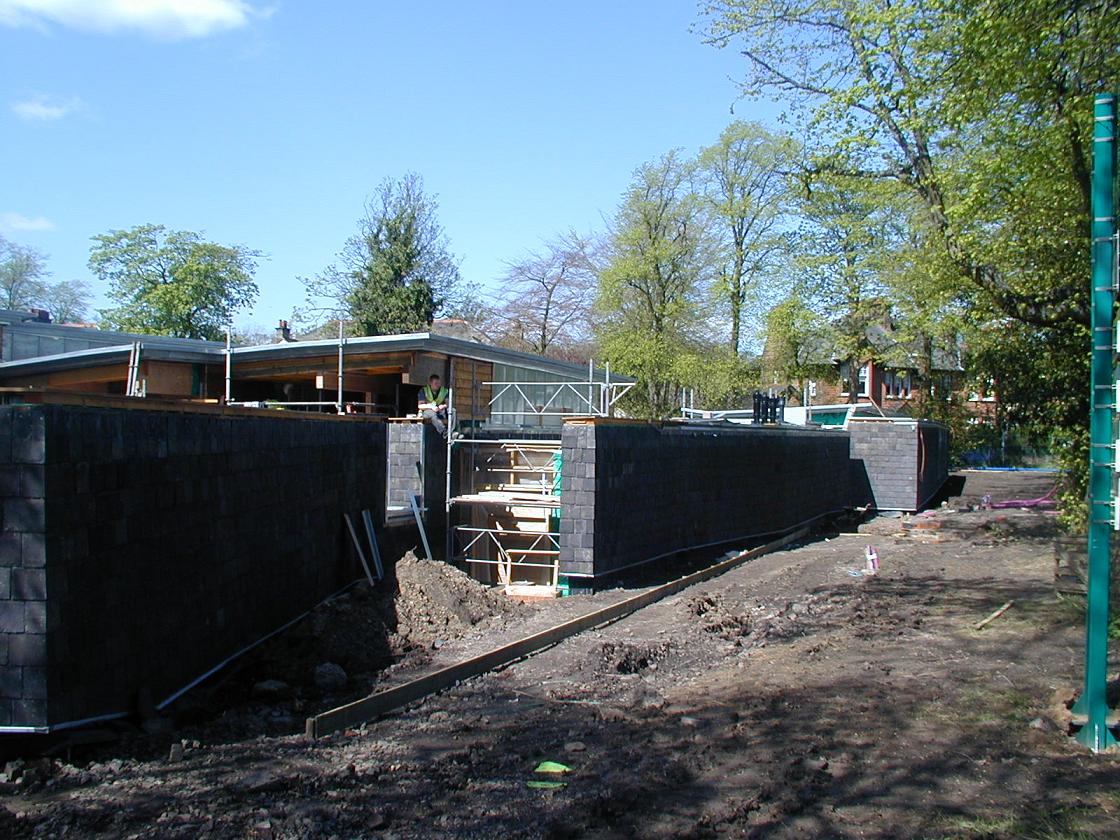
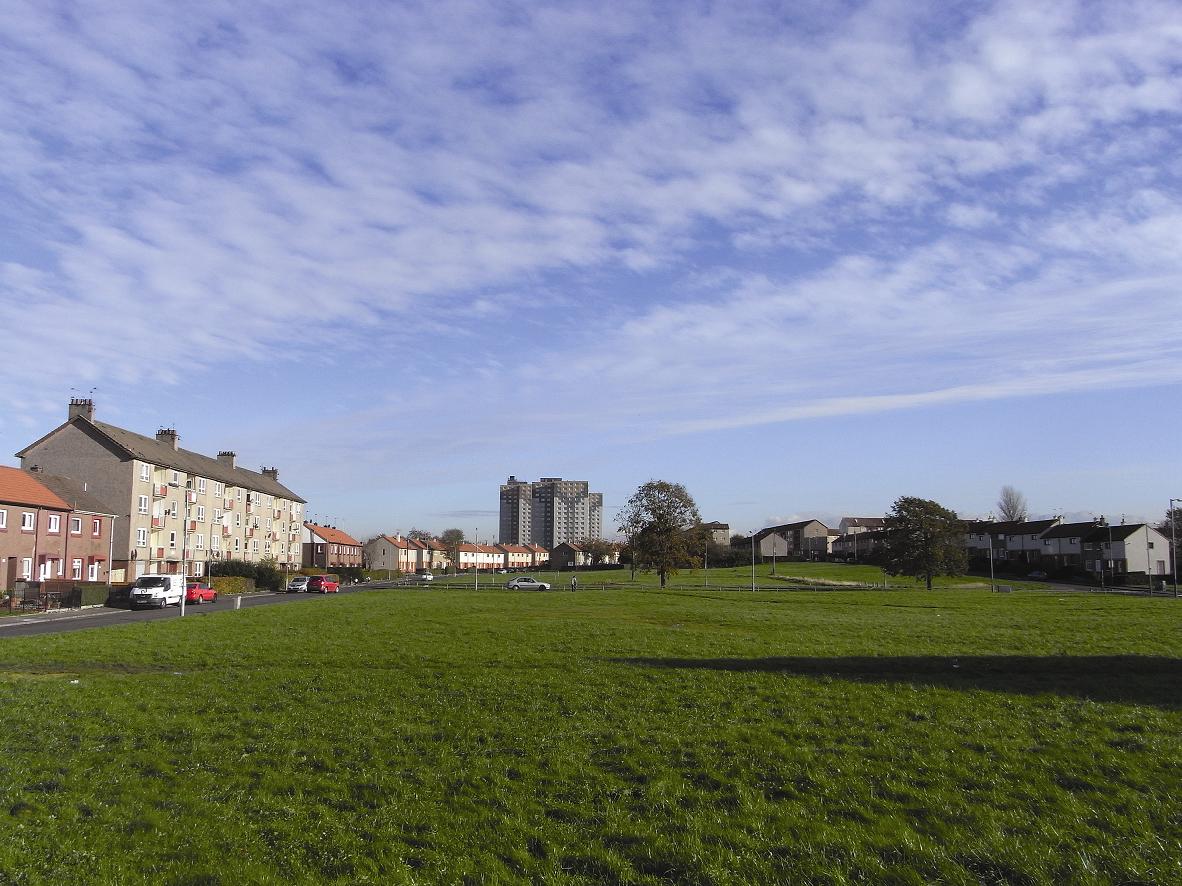
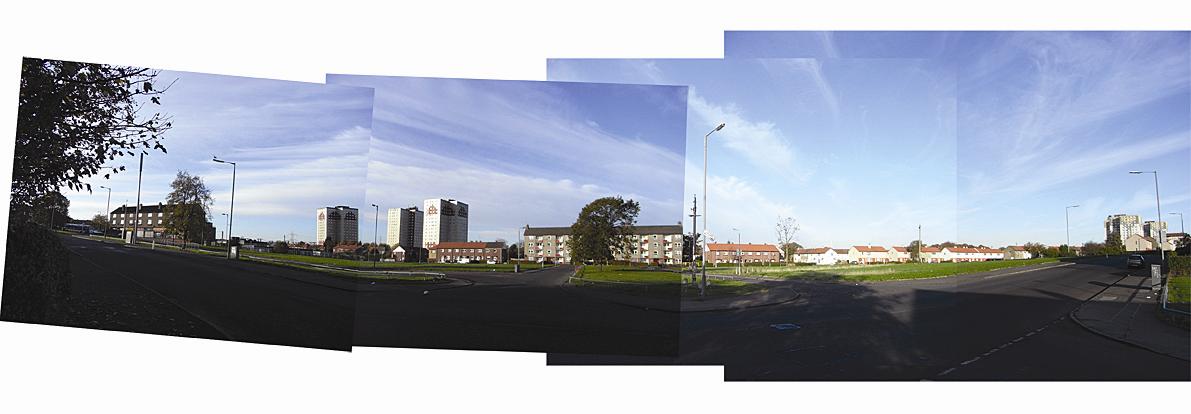
Milton is something of a time warp with its poverty keeping the detritus of prosperity Ð executive homes, business parks and retail sheds at bay more effectively than legislation ever could. The limit of the city's urban extent is marked by a canal, a row of six tower blocks and thenÉ fields. It is one of the most dramatic urban boundaries in the city and makes for a surreal sight, particularly with many post war tenements being demolished and replaced withÉ nothing. Effectively this is the high water mark of a city in retreat. It is into this landscape that Colston Milton Parish Church and the local community plan a project of greater audacity than many of the big budget extravagances in the city centre: a community space, activity hall and place of worship, constructed from nothing but recycled materials and built, largely, from local labour.
The scheme was initially sparked by the decision of the church to sell off land and their main worship space for flats, leaving just a hall which the organisation had to share with the boy's brigade and several community groups. This alone was costing £10k a year to heat and power, prompting the minister, Rev Christopher Rowe, to stipulate any new building be self sustainable in its energy use and be built by local people under ownership of the community. Rowe brought onboard architect Lee Ivett, of Baxendale Design Co. Ltd, who described a faltering start with wild rumours circulating through the community that a drug rehabilitation centre was planned and with several locals up in arms about having any development near their homes. Tackling the rumour mill head on Ivett took time out to go door to door with a model of his plans: "There was no local council and a history of apathy with things not getting done so we set out with a consultation to establish what the community needed. It isn't a token thing; literally anyone can join this organisation and own the project.Ê It's not like the Council has built a new resource and residents are involved because they were consulted, or planted some trees or have a membership card people were genuinely integral to the process.
"We looked at what the need was for the project, we didn't say what do you want? We asked what do you like/hate about where you live and got to the root causes of people's positive or negative perceptions because what people want is a swimming pool or a Tesco and that isn't necessarily what can be delivered. It's about informing the community about what they can achieve, the level that they can achieve, off their own back and how that can start meeting some of the particular needs of that area." To effect this the Love Milton brand was developed, which is now a company ltd by guarantee and applying for charitable status. Ivett recalls: "Forming a group of people with no track record and seeing people progress through steering groups to a proper constituted committee and on to form a companyÉ that is a model for regenerating communities."
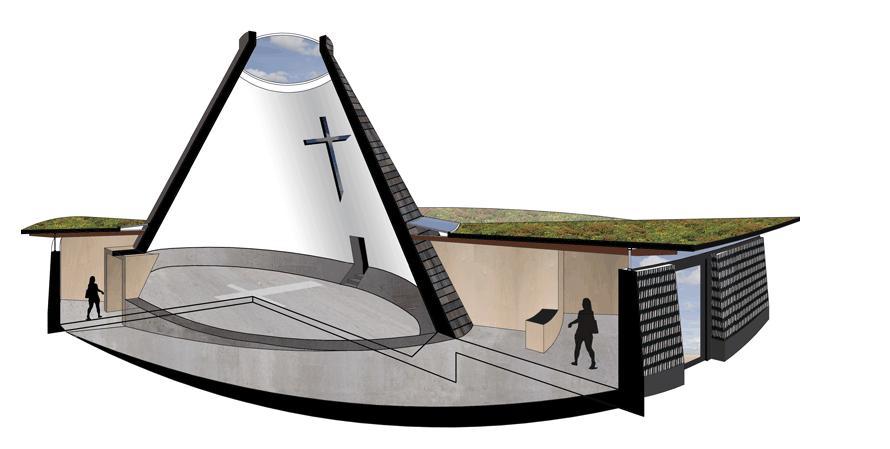
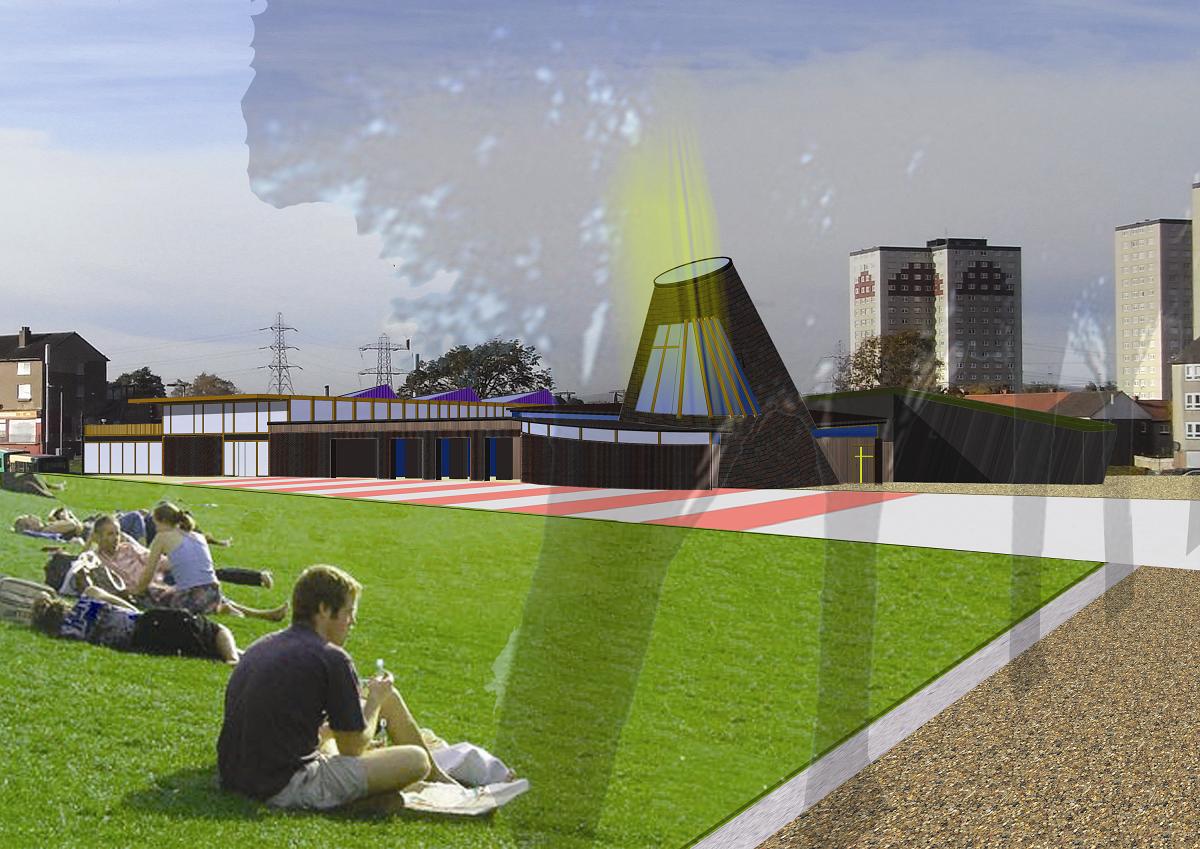
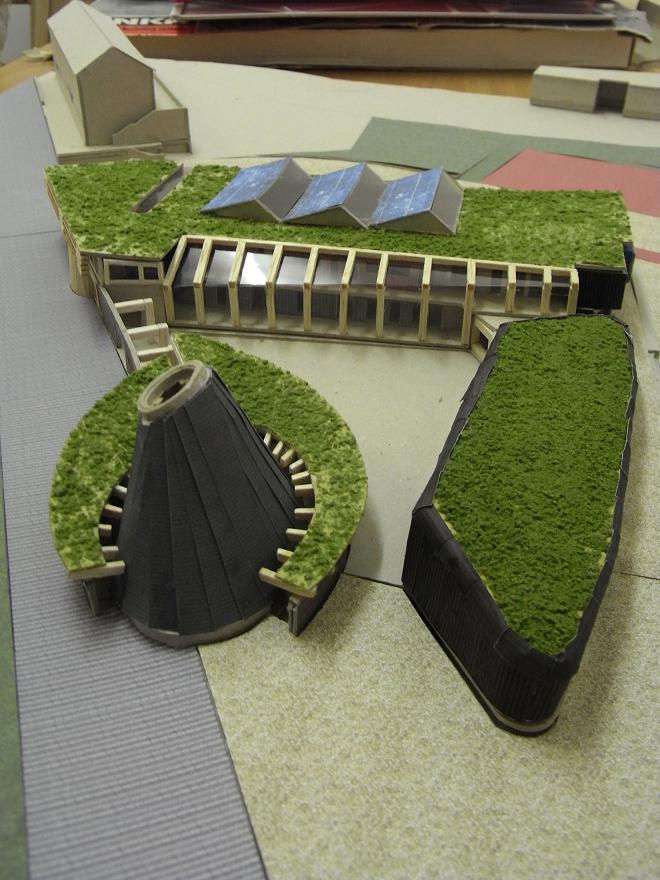
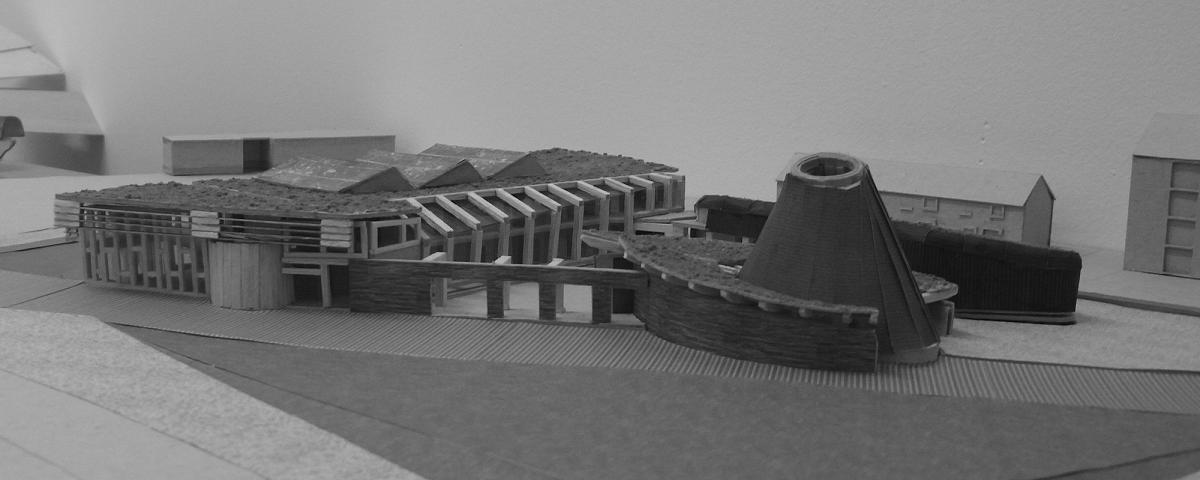
The church identified a location right in the heart of the area with the worst anti social behaviour and crime rate, a move that proved surprisingly reassuring for Ivett who welcomes this brave embrace of adversity. Landscape architects have been brought on board to look at the wider public realm to avoid creating a walled compound but rather a building within an urban park. This means existing pedestrian routes on the site can be maintained such that every elevation is supervised passively. Milton's flock numbers only around 50 so Ivett was keen to avoid building something vast in plan; instead a sense of scale was developed through height and volume. In addition the congregation was looking to move away from a hierarchical layout of pews toward something that was more inclusive with the minister in the centre of a semi circle. This dictation of plan led to the natural adoption of an ellipse shaped tepee like structure, topped by a central south facing aperture that focuses light down upon the sermon.
This sense of drama is accentuated by sinking the sanctuary space 1.5m below ground level so people have to descend a processional ramp to reach the central chamber. The idea behind this is to build a sense of anticipation, gradation and theatre, rather than merely opening a door and being hit by the space. In form there is no consistency between the constituent parts of the scheme, an approach Ivett admits veers from architectural orthodoxy but then as a project the entire concept is very far from orthodox. "Generally there's a desire, because you've been taught it, to keep a consistent architectural language all the way through. There isn't a consistency in architectural language here but there's a consistency of materials, we're using timber cladding reclaimed pallets, tiles and corrugated metal and in some form each of those three types appear on each elevation."
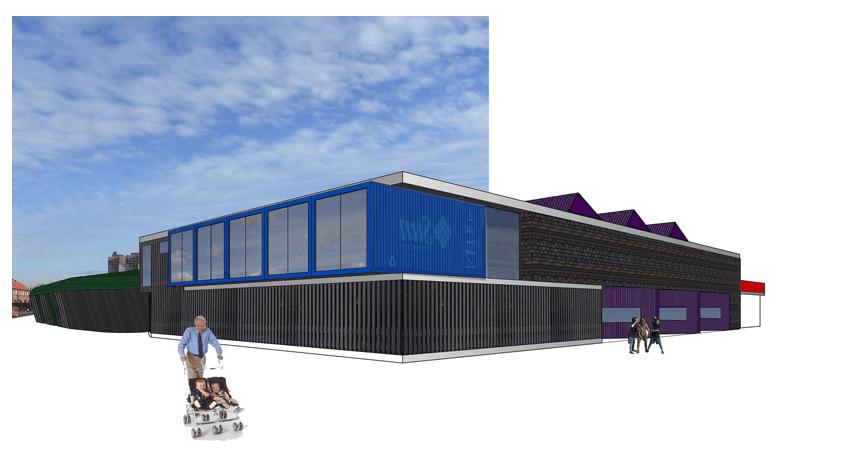
Shipping containers define internal space within whilst a green roof punctuated by photovoltaic cells, complemented by wind power and/or biomass, will provide half of all power. Ground source heat pumps, essentially a tube inserted one metre into the earth, will draw upon the inherent warmth found there to create a decent ambient temperature. "There may be a design where the local input of volunteers might be more hands on than simply bolting some things together and we're looking at what that involvement would be. We've got a glulam timber structural frame with straw bail infilled walls and are using rammed earth car tyres for the gables. This, along with painting, lining and fitting out the containers, are all things that most people can get involved with.
"We can't have a situation where we're just inviting people to turn up on a weekend and knock something together. We have to develop a process that is professional, rigorous. We looked at whether we could contract it out, put it to tender, get a specialist eco builder in or set up our own company to do it as a social enterprise. By developing the skills and management techniques with this building people can go on and build their own houses or that experience can be sold to other groups. Over 5, 10, 15 years a vehicle and organisation could be established with the wherewithal to improve the community in whichever way they saw fit.
"The idea is they would set up a company to manage and deliver this project, they would hire a project coordinator, a construction manager and that core group of professional people would bring in the relevant training partners, skilled and unskilled labour. It is silly to assume that this will all be done by volunteers. Plumbing, electrics, structural frame all have to be delivered by specialist subcontractors. We've been very specific about which elements can be delivered by work experience programmes and the unemployed."
Approaches are being made to the Scottish Climate Challenge fund for further funding but the group will need to find the money for this themselves. Even in the current financial climate Ivett is optimistic of raising the required millions: "It's a high value scheme with a low comparative cost so hopefully money can be raised and the project delivered."GCC have granted a development hold on the site in favour of Love Milton, giving the company until March 2011 to develop their proposals further and also transfer ownership. This means the land cannot be sold to anyone over the next year, ensuring the site remains free for development until funding is found. Before a beer can has even been laid though the scheme is reaping positive spin offs for the Milton area with a documentary in the making alongside copious column inches a dramatic shift for a locale more used to reading about the lowest this or highest percentile that for health and crime. Perhaps the real legacy being built here isn't architectural but societal.
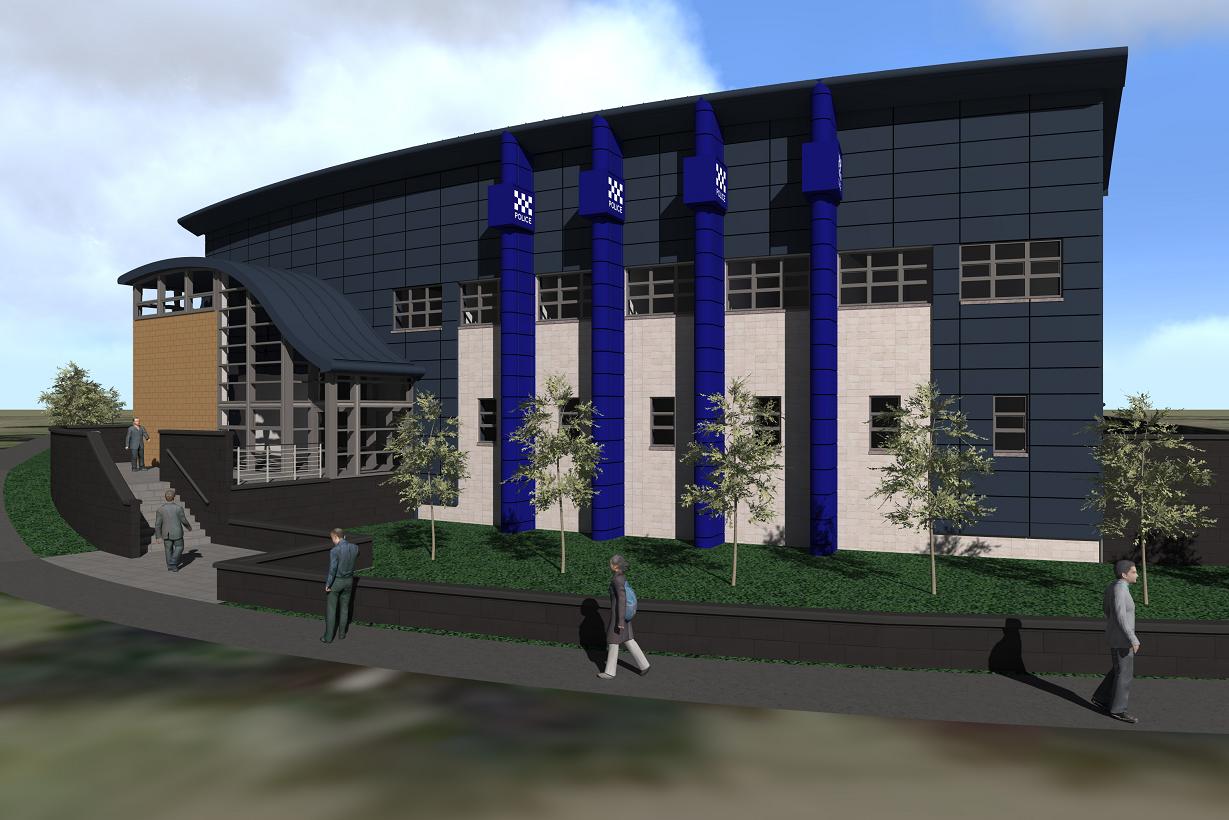
Strathclyde's finest are investing in a not-so-fine warehouse styled police office to serve the expanding communities of Renfrew, Braehead, Erskine, Inchinnan, Bishopton, and Glasgow Airport. The new building on the Nostradamically titled Station Road is utilitarian in its design, in stark contrast to the original Grade B listed Renfrew Police Office from 1910, deemed no longer able to accommodate the needs of a modern police force. Officers aim to provide an efficient, customer-focused policing service boasting the latest IT systems.
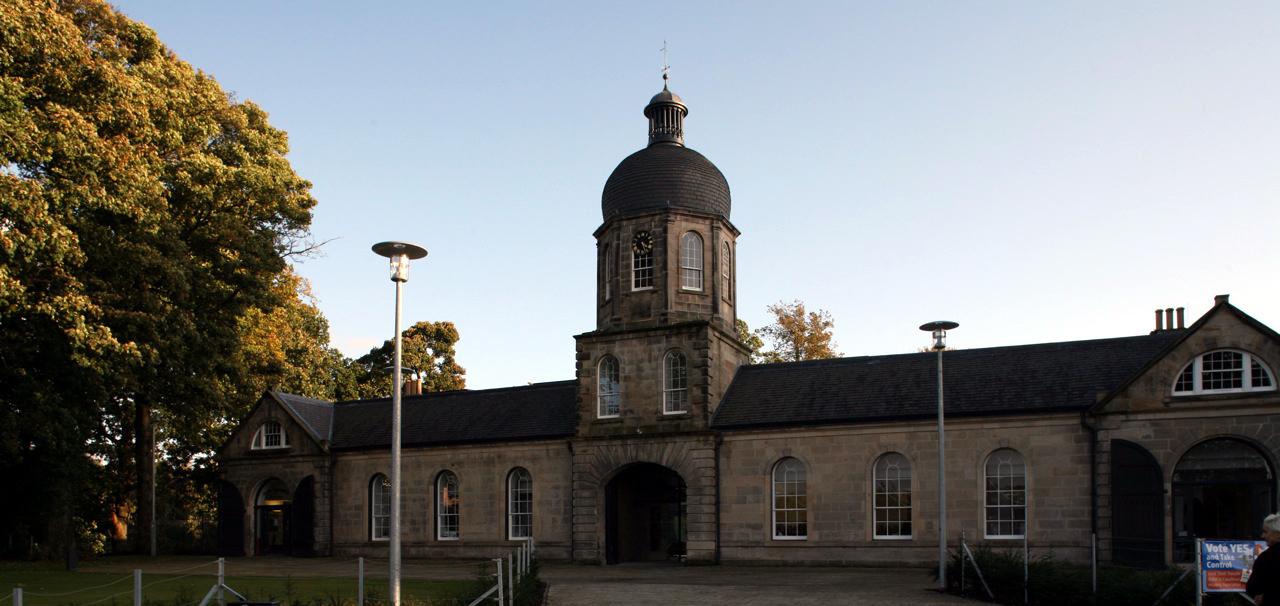
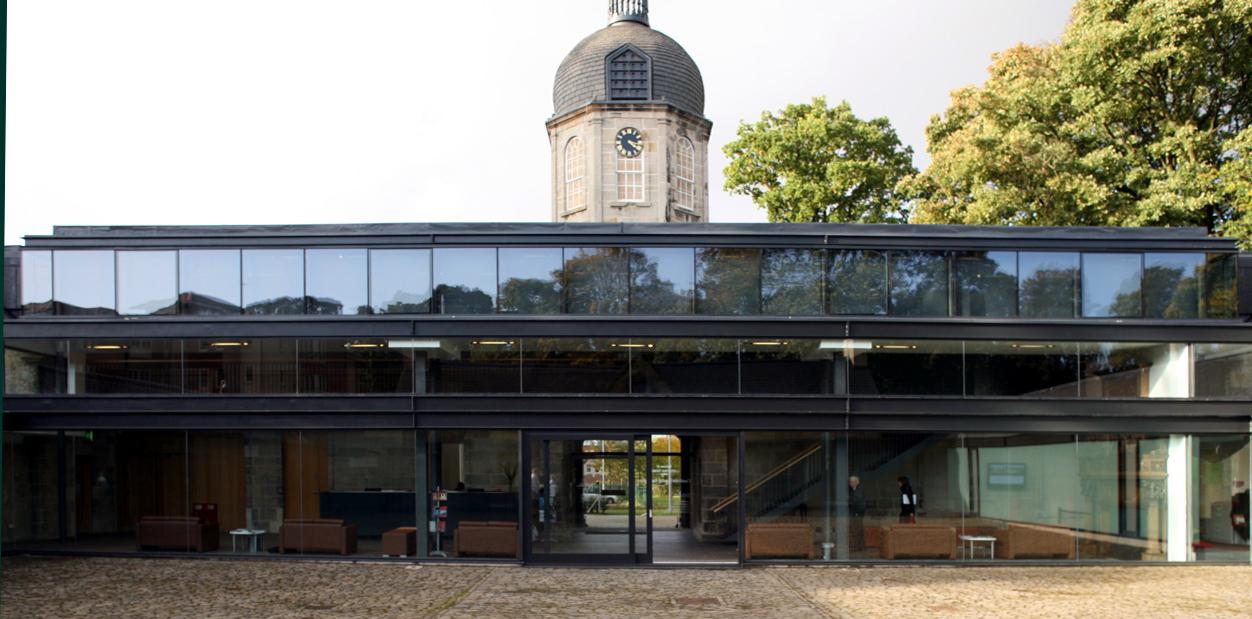
Dominated by an octagonal tower with onion dome the Castlemilk Stables block originates from the 18th Century. It is in the 21st however that it has found new use as a community centre and training school.
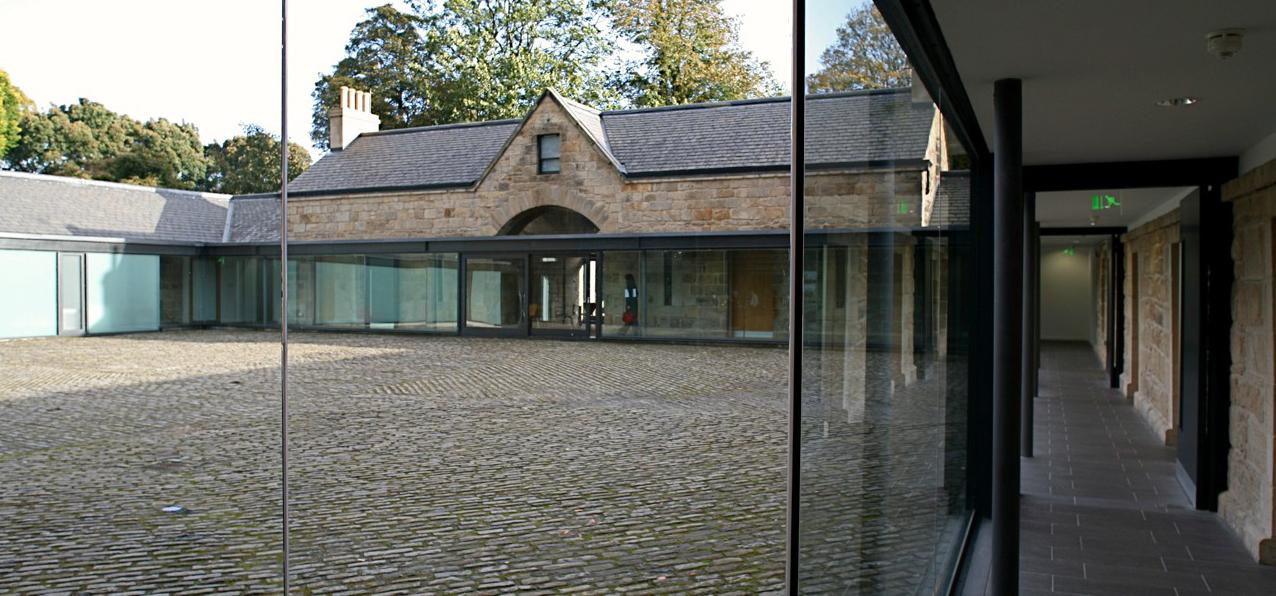
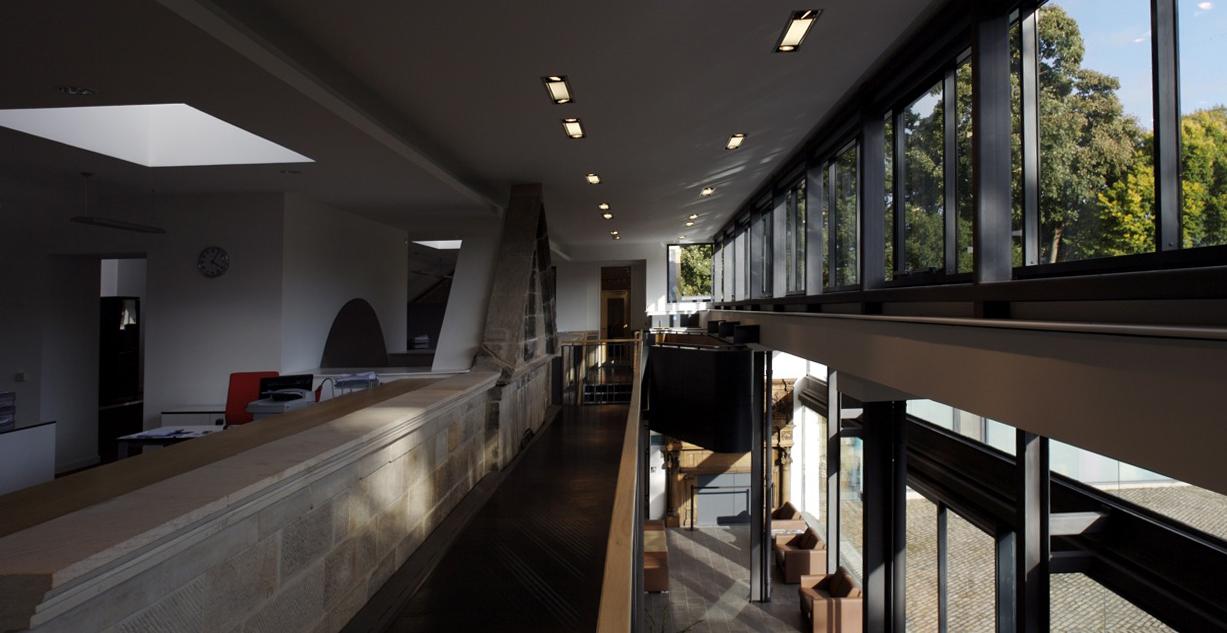
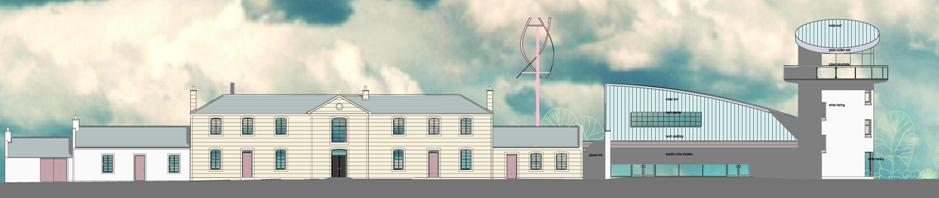
A famous 150 year old stable complex in the North of Glasgow, which housed the horses used for pulling barges along the Forth and Clyde canal, is to undergo a major transformation into a community training and development facility including offices, conference facilities, workshops/studios for hire, a kitchen and café area, visitor centre and viewing tower. The C listed Lambhill Stables were built in 1856 and are currently derelict, despite playing a key role in Central Scotland’s canal-based economy.
 Health, Education, Culture & Defence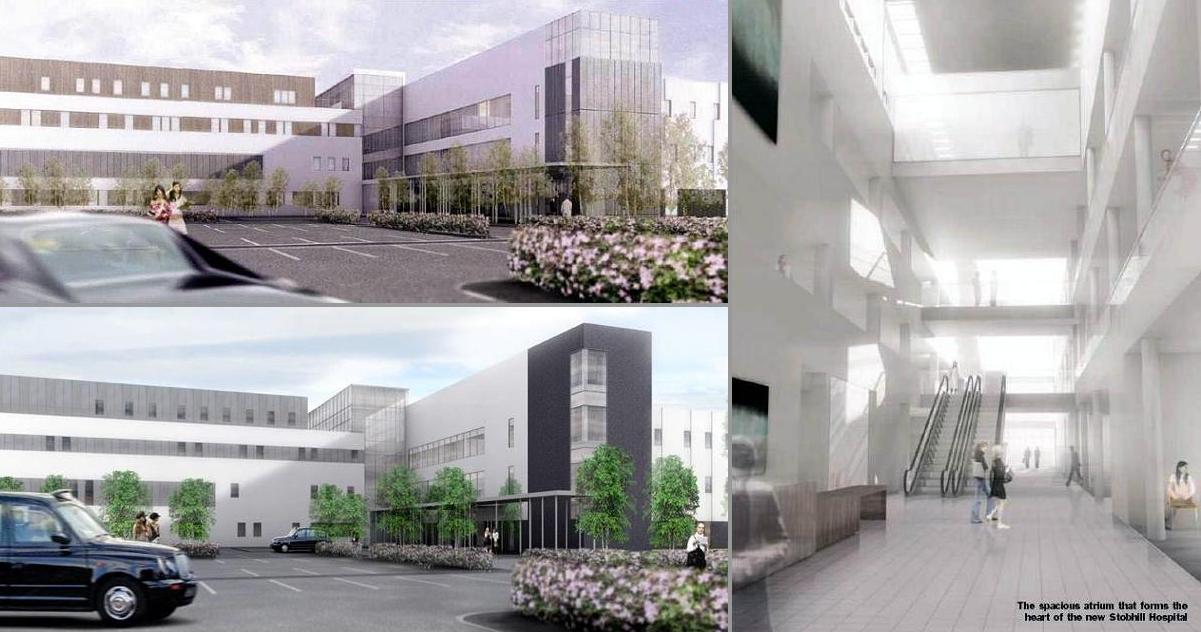
 J Cooper